About Siproeta epaphus (Latreille, 1813)
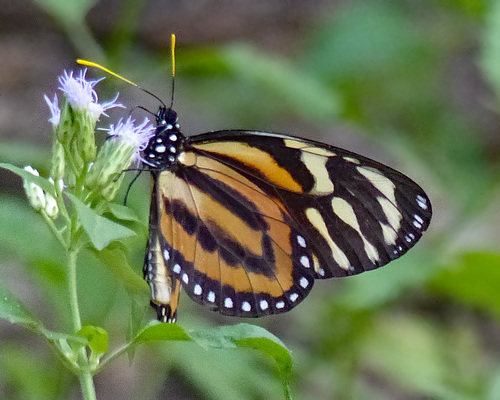
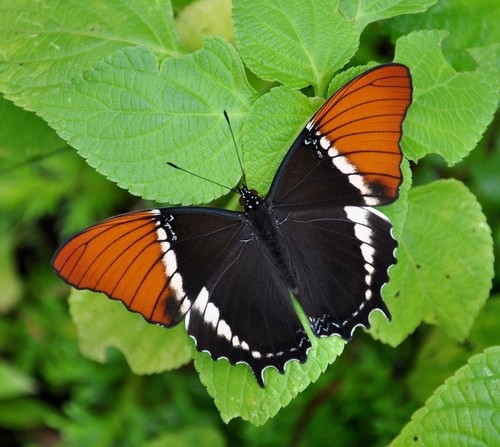
Siproeta epaphus, commonly known as the rusty-tipped page or brown siproeta, is a New World butterfly species that stays active year-round in tropical habitats. It has large wings, with an average wingspan ranging from 7.0–7.5 cm (2.8–3.0 in). The inner portion of the upper wing surface is black, and the entire underside of the wings is brown. A prominent white transverse stripe runs across both wings on both surfaces. For the widespread subspecies S. epaphus epaphus, the outer part of the forewings, located beyond the white stripe, is rusty orange; the other two subspecies have mostly or entirely black coloration in this outer forewing area. S. epaphus occurs throughout Central America, where it is one of the most common butterfly species. Its geographic range stretches from southern North America to central South America. Confirmed locations within this range include south Texas (with rare occurrences in southern New Mexico), extending south through both eastern and western Mexico to the Guyanas, Brazil, Bolivia and Peru; the species may also be found in additional areas beyond these confirmed locations.