About Siphonaria normalis A.Gould, 1846
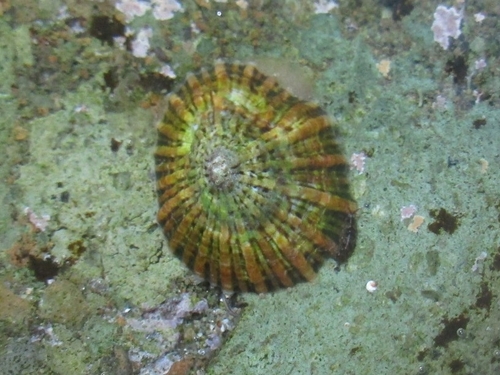
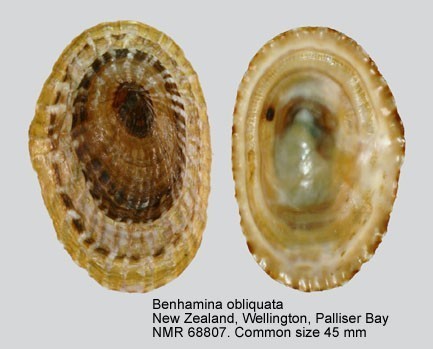
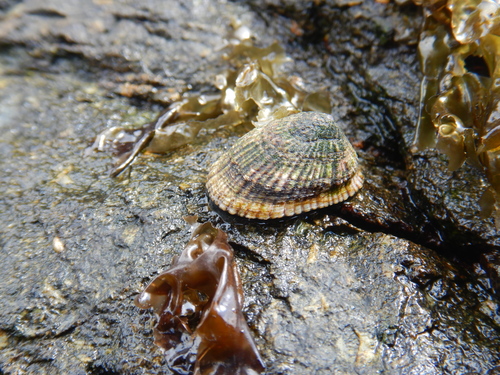
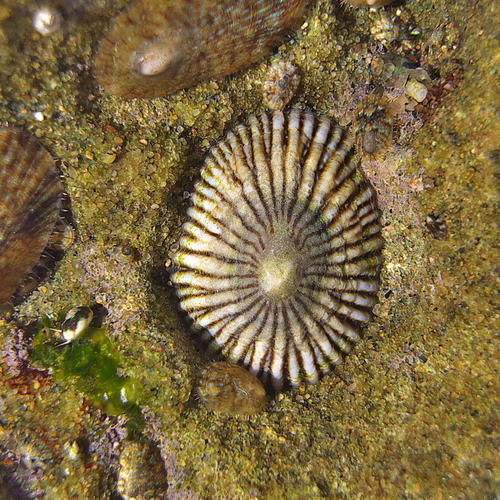
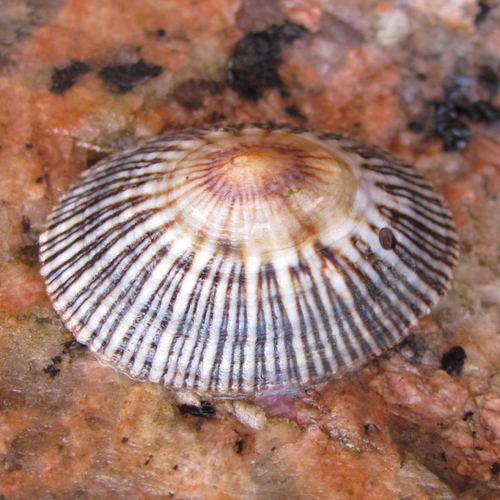
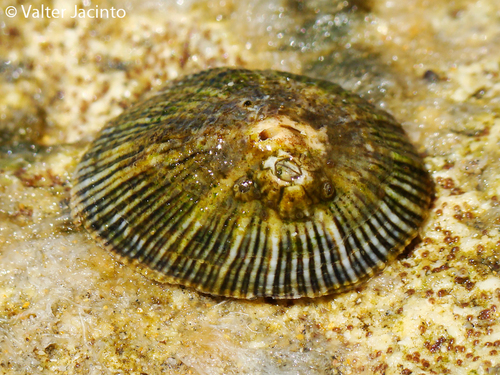
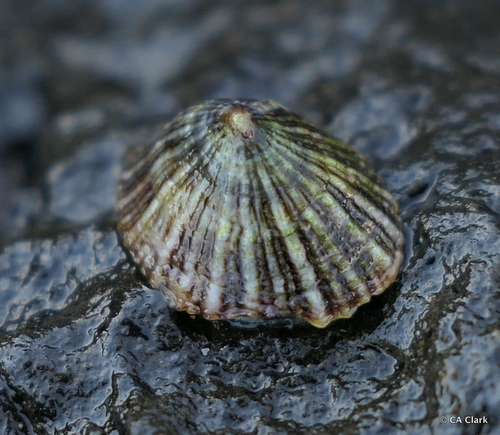
This species of false limpet, Siphonaria normalis, has a ribbed shell that is colored brown and white. It can grow to a maximum length of 20 millimeters, but specimens found in Hawaii are usually smaller than this maximum size. Siphonaria normalis has a broad distribution across the Indo-Pacific region. It inhabits rocky intertidal zones along the coastlines of this region. It does not live fully submerged underwater, but requires areas that are kept constantly wet by the ocean. Siphonaria normalis lays its eggs in spiral-shaped egg masses. When eggs hatch, the emerging individuals enter the juvenile stage of life. Also known as False 'Opihi, Siphonaria normalis is a grazer that feeds on algae growing on rocky intertidal zones. The types of algae it consumes include lichens, cyanobacteria, diatoms, microalgae, and foliose macroalgae. Ongoing climate warming causes thermal stress for Siphonaria normalis, leading to mortality of individuals.