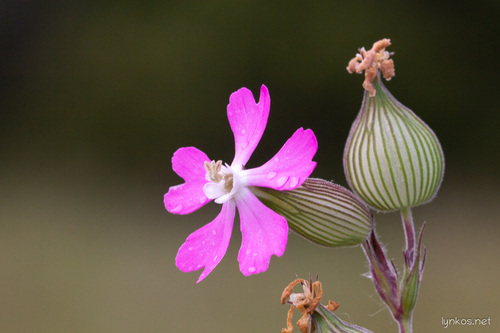
Silene conica L. is a plant in the Caryophyllaceae family, order Caryophyllales, kingdom Plantae. Not known to be toxic.

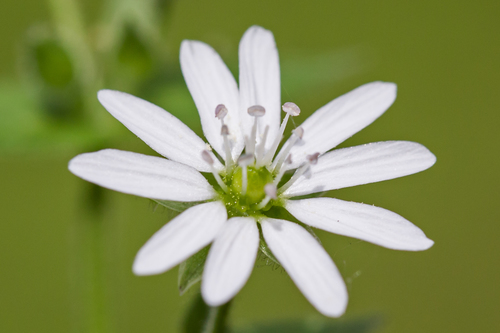
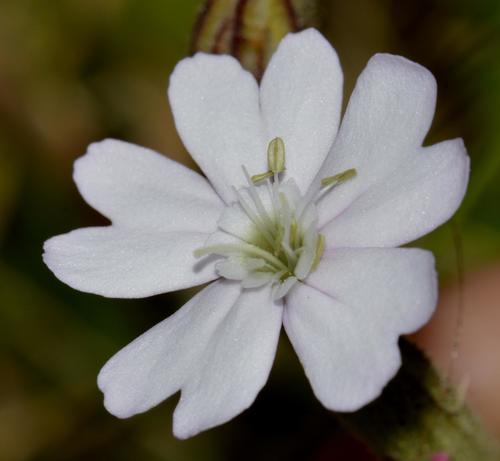
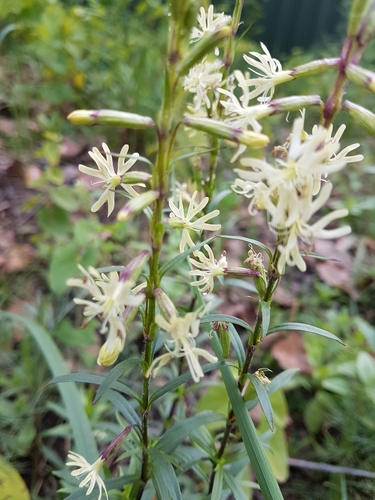
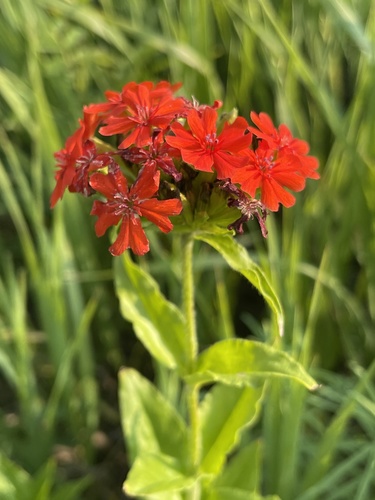
Photo of Silene conica L. (Silene conica L.)
🌿 Plantae

Silene conica L.

Silene conica L.

Silene conica is a widespread annual flowering plant known for having the largest identified mitochondrial genome.

Genus
Silene
Order
Caryophyllales
Class
Magnoliopsida
⚠️ Toxicity Note

Insufficient toxicity evidence; avoid direct contact and ingestion.

About Silene conica L.

Silene conica L. is a flowering plant species in the Caryophyllaceae family, commonly called striped corn catchfly and sand catchfly. It is an annual plant that grows in dunes and sandy soils, and is widespread across Europe and western Asia. This species exhibits gynomonoecy: it produces mostly self-compatible hermaphroditic flowers, with occasional male-sterile flowers. Like other members of Silene section Conoimorpha, S. conica is easily recognizable by its bright pink petals and the prominent parallel veins on its calyx. Unlike most flowering plant species, S. conica has a very rapid mitochondrial mutation rate, and holds the record for the largest identified mitochondrial genome at 11.3 Mb.
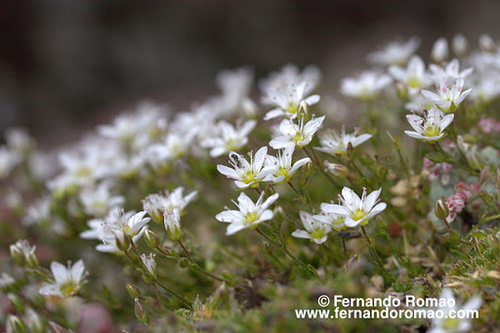
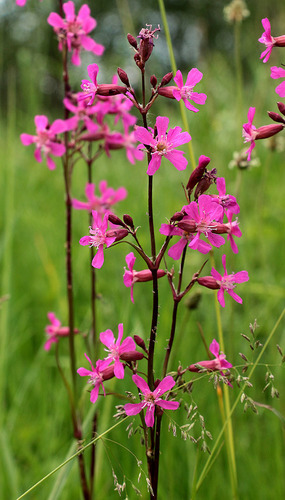
Photo: (c) Sarah Gregg, some rights reserved (CC BY-NC-SA), uploaded by Sarah Gregg · cc-by-nc-sa

Taxonomy

Plantae Tracheophyta Magnoliopsida Caryophyllales Caryophyllaceae Silene

More from Caryophyllaceae

Sources: GBIF, iNaturalist, Wikipedia, NCBI Taxonomy · Disclaimer

Identify Silene conica L. instantly — even offline

iNature uses on-device AI to identify plants, animals, fungi and more. No internet needed.

Download iNature — Free

Start Exploring Nature Today

Download iNature for free. 10 identifications on us. No account needed. No credit card required.

Download Free on App Store