About Securidaca longepedunculata Fresen.
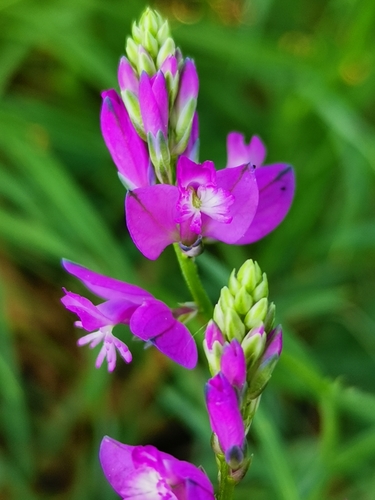
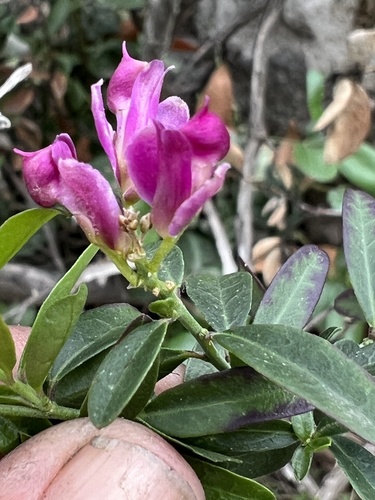
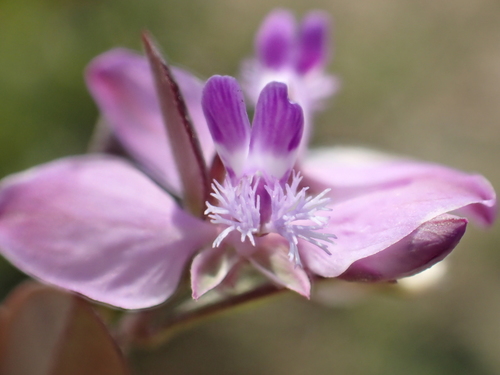
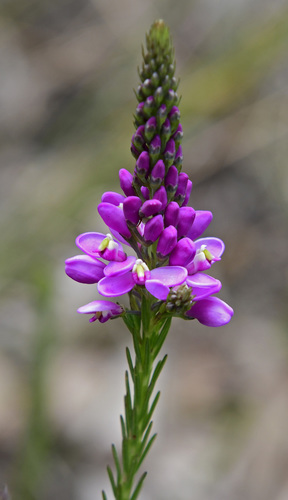
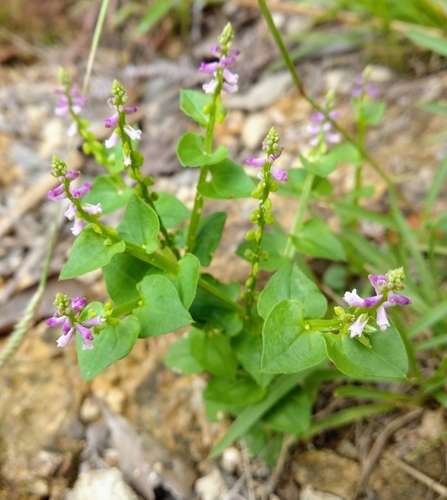
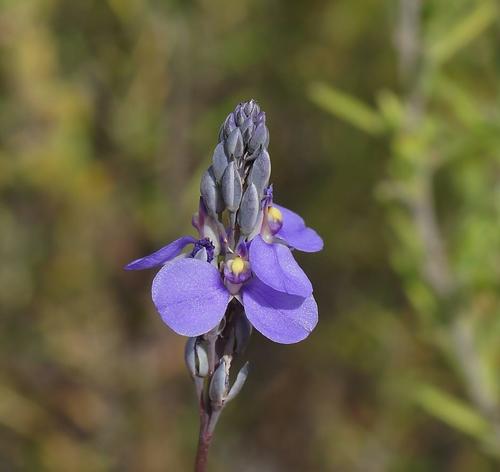
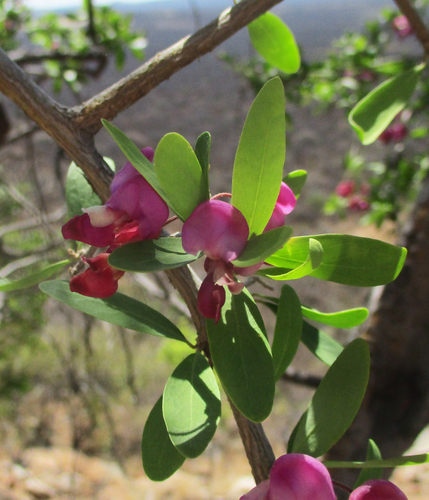
Securidaca longepedunculata Fresen., commonly called the violet tree or mpesu, is a fairly small to medium-sized tree that grows 6 to 12 meters tall. It has pale grey, smooth bark, clustered leaves, and small branches covered in very fine hair. It produces sweetly scented flowers in early austral summer; these flowers grow in small bunches on a peduncle, and change color from pink to purple. Its fruit is round, attached to a wing that grows up to 40 mm long, and the tree bears fruit between April and August.
S. longepedunculata is widespread across sub-Saharan Africa, ranging from Senegal to Ethiopia and south to the Northern Provinces of South Africa. It is native to the North West and Limpopo provinces of South Africa, and occurs locally northwards in African subtropics and tropics. It grows in various woodland types and arid savannas; in tropical savanna, it is particularly found in miombo and caesalpinoid woodland. Its growth form varies with climate and elevation, and it can grow on sandy, acidic, or rocky soils.
Recent ethnopharmacological studies have highlighted the importance of this species in traditional African medicine. It is used for a wide range of medicinal purposes across different African regions. It is widely used as an aphrodisiac for low libido, and a 2015 comprehensive review by Mongalo et al. documents its use to treat sexually transmitted infections and as an aphrodisiac for men. The plant is also used to treat conditions ranging from minor transient ailments like headaches to severe chronic conditions like arthritis. Its roots are used to treat coughs, respiratory infections, toothache, gout, fevers, constipation, diabetes, and microbial infections. It has anti-inflammatory properties that reduce arthritic pain. In Limpopo, South Africa, VhaVenda people use its roots to prevent mental disorders, and believe this remedy protects children from illness during breastfeeding. People in Zimbabwe use the roots to treat people believed to be possessed by evil spirits, and often use it for snake bites.
The roots of S. longepedunculata are particularly valued in traditional medicine, but root harvesting threatens the plant's survival and has led to overexploitation. The South African National Biodiversity Institute lists the species as threatened due to targeted root collection for medicinal use. To address these conservation concerns, the organization African Heals has launched efforts to cultivate S. longepedunculata sustainably, to secure the plant's availability for future generations. The organization collaborates with the University of South Africa (UNISA), which supplies the plant for research aimed at validating its medicinal properties and developing sustainable harvesting methods. Combined research and conservation work are considered critical to preserve the species, so its medicinal benefits can continue to be used while maintaining ecological balance.
Beyond medicine, the tree has many other common uses across Africa. The bark can be used to make soap, fishing nets, and baskets. It is also commonly used as a pesticide against beetles that infest stored grains. Both bark and roots are ground into powder and mixed with stored grain to provide this pesticidal effect. This practice is especially useful for small-scale African subsistence farmers who cannot afford to purchase synthetic pesticides. A poison made from a combination of methanol extract and methyl salicylate from the plant's roots has multiple uses: it is used to coat hunting arrows in West Africa.