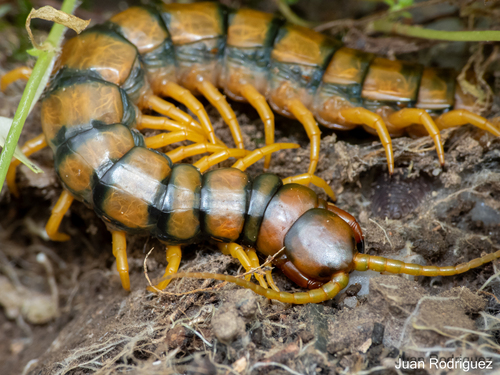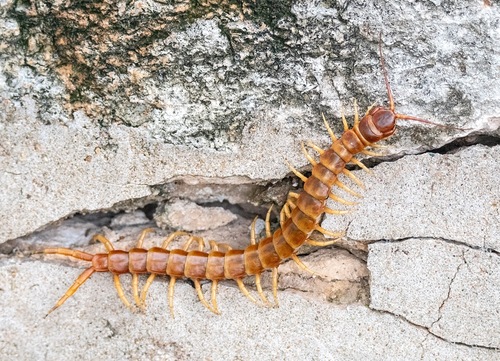
About Scolopendra gigantea Linnaeus, 1758
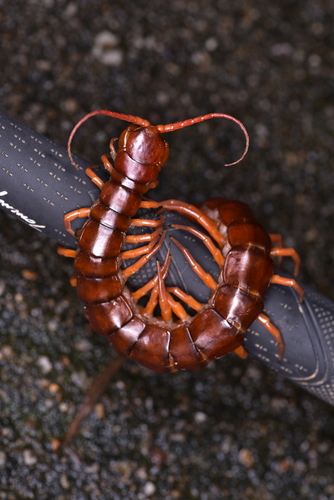
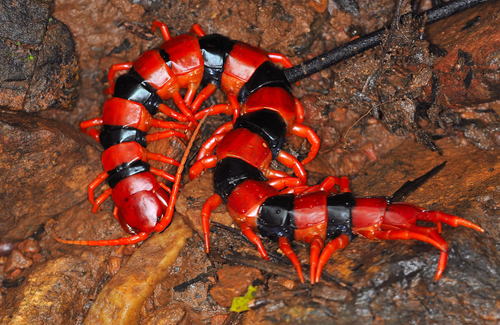
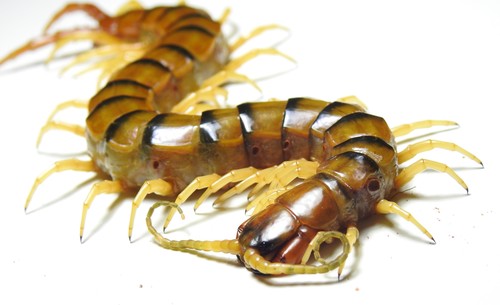
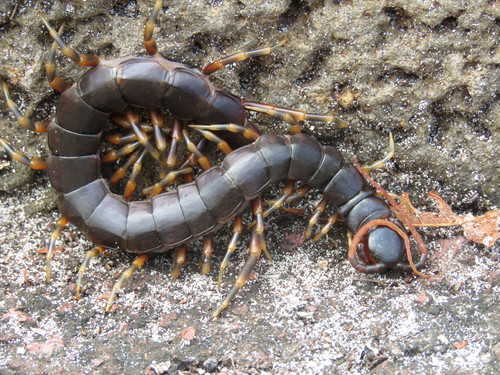
Scolopendra gigantea, described by Linnaeus in 1758, is also commonly called the Peruvian giant yellow-leg centipede or Amazonian giant centipede. It is a species of centipede belonging to the genus Scolopendra, and is recognized as the largest centipede species in the world. Adults can grow to a length exceeding 30 centimetres (12 in), and mature specimens typically have 21 or 23 body segments.
This species is found across parts of South America and the extreme southern Caribbean, where it preys on a wide range of animals, including other large arthropods, amphibians, mammals, and reptiles. Its confirmed native range is in northern South America. Verified museum specimens have been collected from Aruba, Brazil, Curaçao, Colombia, Venezuela (including Margarita Island), and Trinidad. Reported records from Saint Thomas (U.S. Virgin Islands), Hispaniola (covering both Haiti and the Dominican Republic), Mexico, Puerto Rico, and Honduras are thought to be either accidental introductions or specimen labelling errors.
Scolopendra gigantea inhabits tropical or subtropical rainforest and tropical dry forest, favoring dark, moist locations like leaf litter, and spaces under rocks or logs. It climbs easily, and also uses hiding spots under tree bark. When human-built structures are located near its natural habitat, these centipedes often forage or seek shelter in trash piles, rubble, plant pots, building crawl spaces, under old floor and ceiling boards, and in crevices of wooden, concrete, and brick walls.