About Scincus mitranus Anderson, 1871
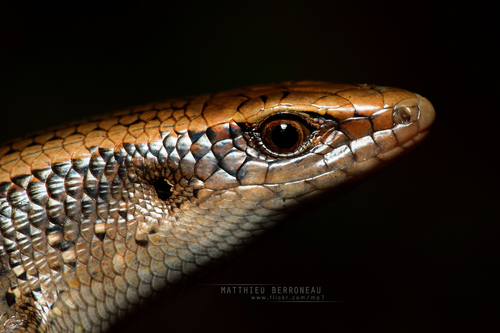
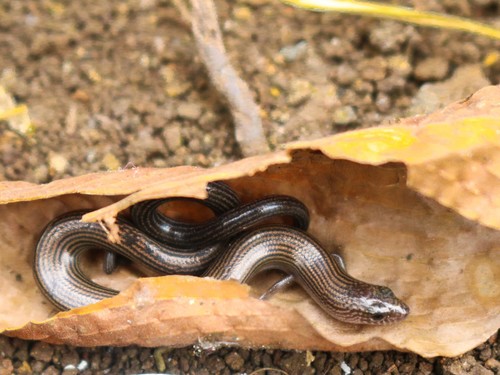
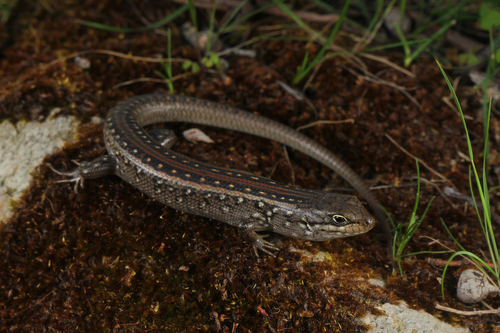
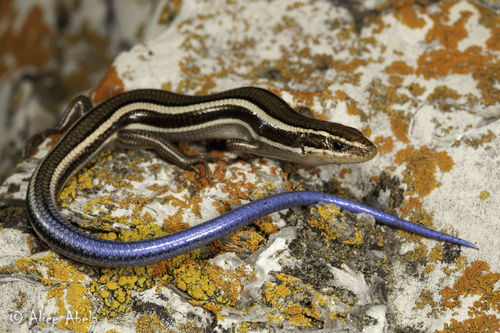
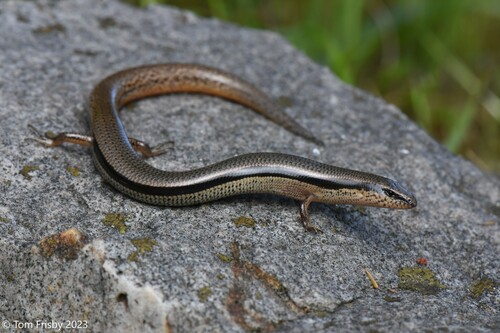
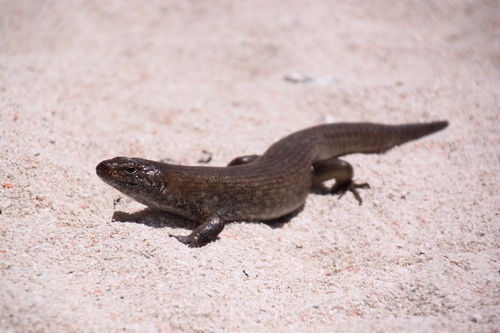
Scincus mitranus may reach a total length of 20 centimeters (7.9 inches), including the tail. It has an orange-brown or sand-colored back, a white underside, and a light-colored line or light spots along its side. Vague dark markings appear on its back and legs. Its snout is bill-shaped, and both its legs and tail are short. Scincus mitranus occurs in southern, eastern, and northern regions of the Arabian Peninsula, including Kuwait, Oman, Qatar, Saudi Arabia, Bahrain, and the United Arab Emirates. It is also found in western Iran, near the city of Ahvaz. Some sources suggest it may range east into Pakistan, but its confirmed presence in that country is disputed. In Oman, the species has been recorded as far south and west as Al-Mazyunah, Dhofar, which lies near the border with Yemen. In Saudi Arabia, it has been documented as far west as Riyadh, and in the deserts east of Al-Artawiyah and Umm Al Jamajm, north of Riyadh. This species lives in habitats with loose aeolian sand dunes. Scincus mitranus, also called the eastern skink, is ovoviviparous. This reproductive trait gives it an advantage over other local species, because its eggs do not dry out (desiccate).