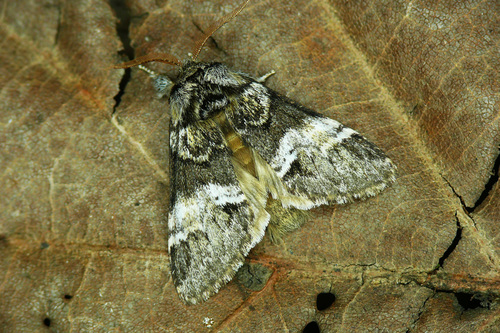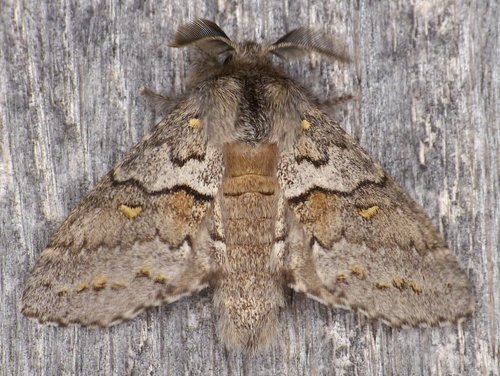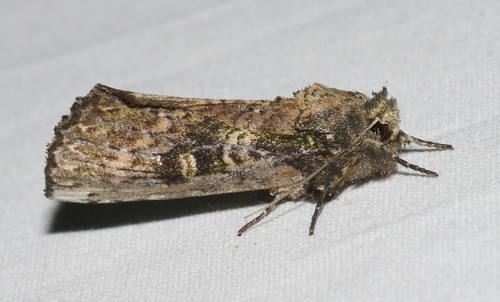
About Schizura ipomaeae Doubleday, 1841
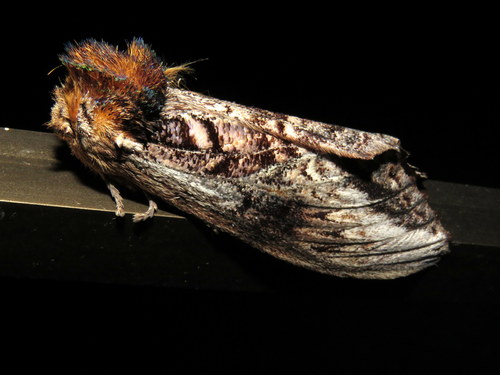
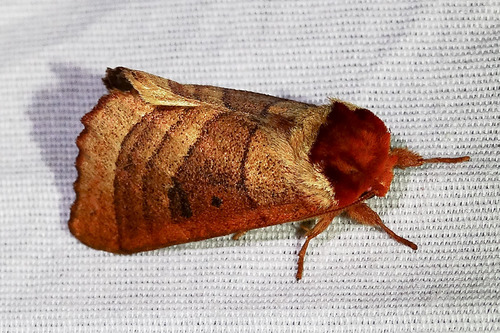
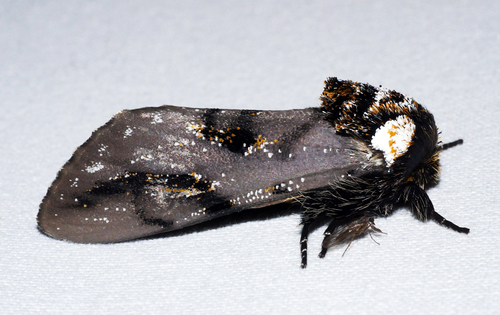
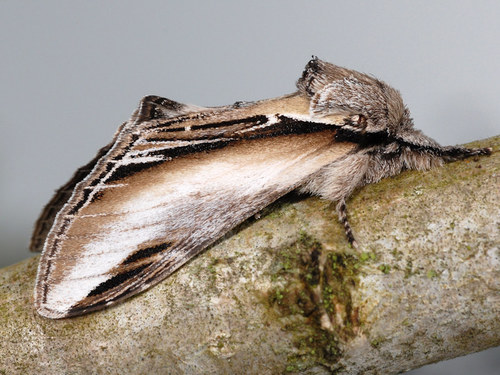
Schizura ipomoeae, commonly called the morning-glory prominent moth or false unicorn caterpillar, is a moth species belonging to the family Notodontidae. This species was first formally described by Edward Doubleday in 1841. Its range covers the United States and southern Canada. The wingspan of adult moths measures between 36 and 47 mm. Adults are active from April to September in the southern portion of its range, and from June to August in the northern portion. In the north, the species produces only one new generation per year. The caterpillar larvae feed on the leaves of a wide variety of woody plant species, including species from the genera Fagus, Betula, Ulmus, Acer, Ipomoea, Quercus, Hamamelis, and Rosa. Larvae can be found from May to October. This species overwinters in the pupal stage of development.