About Scarus ghobban Forsskål, 1775
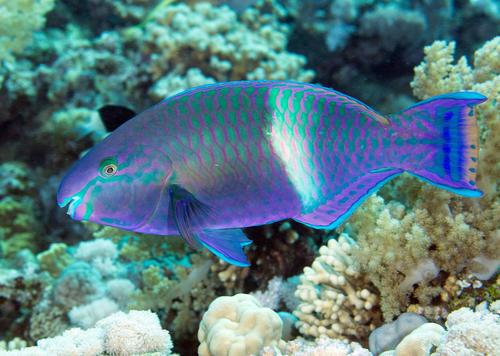
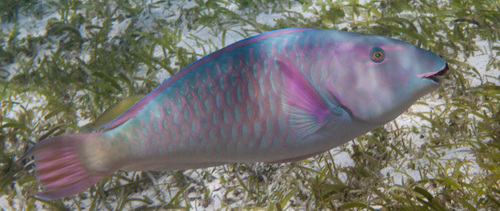
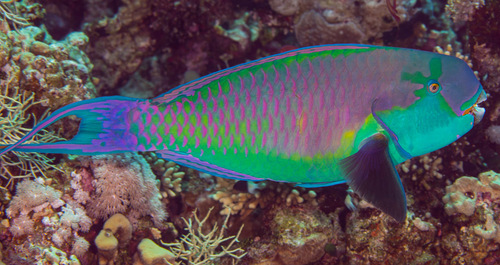
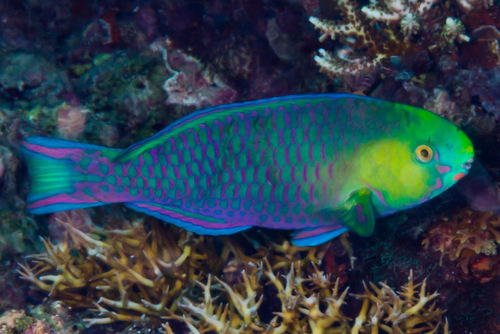
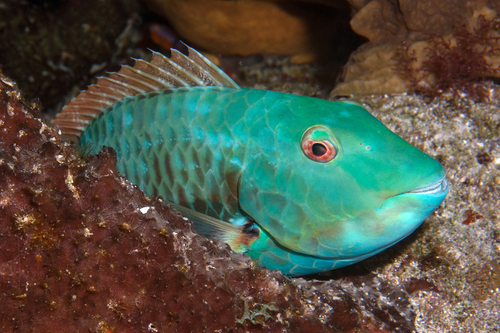
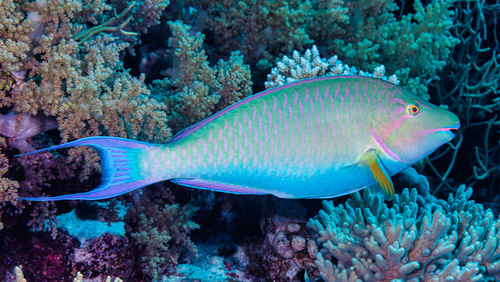
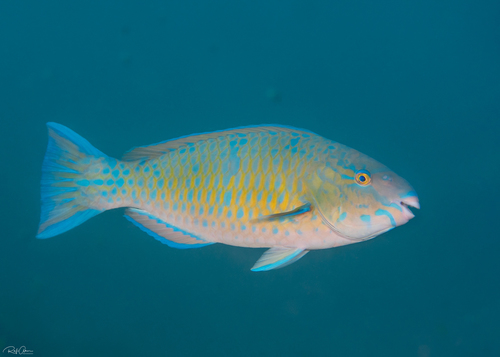
This species, Scarus ghobban, has a body color ranging from blue-green to green, and commonly reaches approximately 46 cm in length. Its overall appearance is highly variable. It may have a pink central stripe along its dorsal and anal fins. The underside of its body may be pinkish or yellowish, and blue markings may be present around the pectoral fin area. Scarus ghobban is widespread across the Indo-Pacific, recorded from East Africa to Indonesia. It also occurs in the Eastern Pacific, found in the Galápagos Islands, Japan, as far south as Australia, and as far east as French Polynesia. It was first recorded in the Mediterranean Sea off Israel in 2001, after entering through the Suez Canal, and is currently expanding northward in Levantine waters, where it remains rare. Like other reef fish that have a pelagic larval phase, regional currents support high levels of gene flow, which leads to high genetic diversity within this species. Scarus ghobban inhabits areas with sandy bottoms and seagrass meadows, and it also lives in marginal reefs and deeper waters. This species grows quickly and can live up to 13 years. It typically gathers in small schools. Scarus ghobban can rotate its mandible bone at high velocity, which allows it to act as a sediment scraper and facilitates hydrological transport of fine sediments. For reproduction, female Scarus ghobban release eggs into the water current. Fertilized eggs hatch approximately 25 hours after fertilization. After hatching, young parrotfish mature quickly and do not need to remain close to their parents for long.