About Sambucus ebulus L.
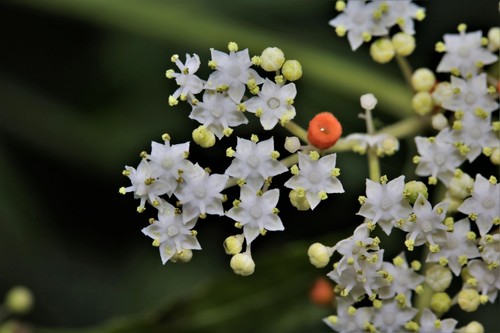
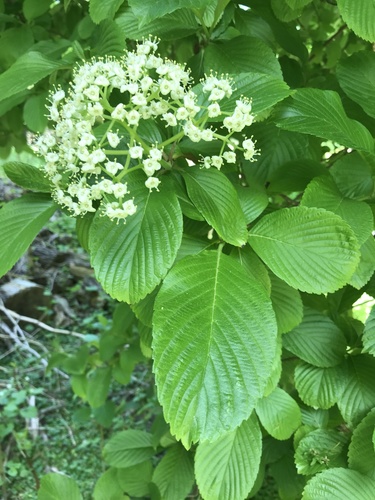
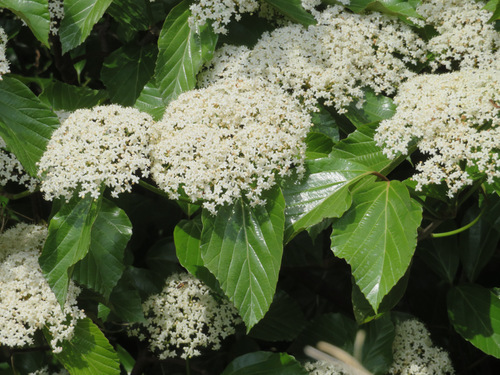
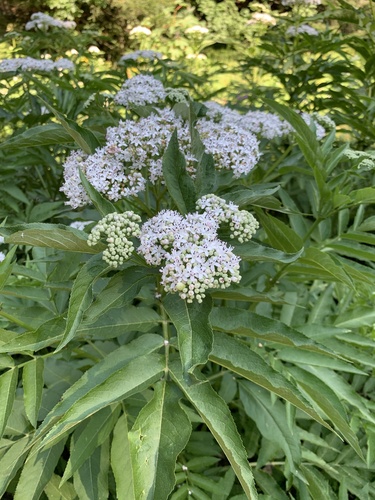
Sambucus ebulus L. reaches a height of 1–2 m, with erect, usually unbranched stems that grow in large clusters from an extensive perennial underground rhizome. Its leaves are opposite and pinnate, measuring 15–30 cm long, and hold 5 to 9 leaflets that have a foetid smell. Stems end in a flat-topped corymb 10–15 cm across that holds many hermaphrodite flowers, which are most often white and occasionally pink. The fruit is a small glossy black berry 5–6 mm in diameter; ripe fruits produce purple juice.
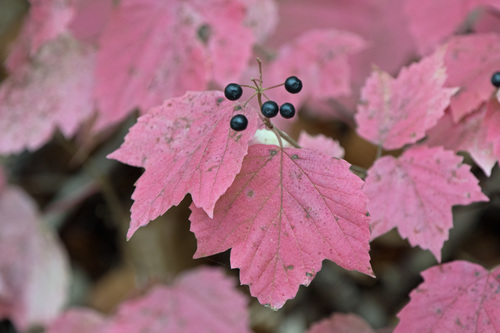
The common name danewort comes from the historical belief that this plant only grows on battle sites where Danes fought. Another common name, walewort or walwort, translates to "foreigner plant". The plant's stems and leaves turn red in autumn, which may explain the link between this species and blood. It has also been suggested that the word "Dane" in its common name may connect to an old term for diarrhoea.
All parts of this plant are toxic, with the seeds being the most toxic. Just like the fruits of other elder species, this plant's toxicity can be eliminated through cooking.
Dwarf elder, the common name for Sambucus ebulus L., has been one of the most widely recognized medicinal herbs since ancient times. It remains in use as a broadly applicable phytomedicine in the folk medicine of many regions around the world. In addition to having nutritional value, dwarf elder contains a range of phytochemicals; flavonoids and lectins are the compounds responsible for most of its therapeutic effects. It has traditionally been used to treat a variety of ailments, including joint pain, colds, wounds, and infections.