About Salvia verticillata L.
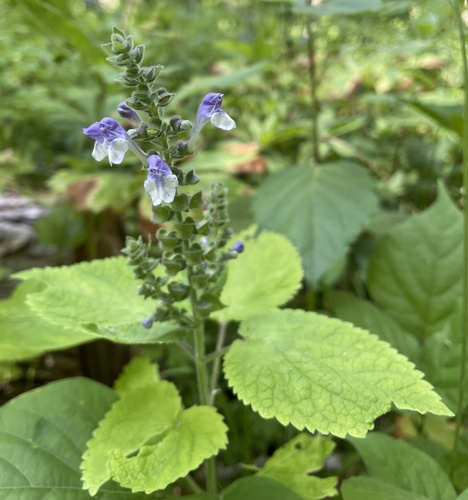
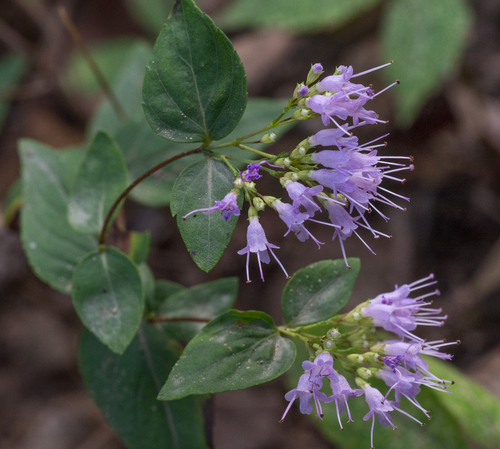
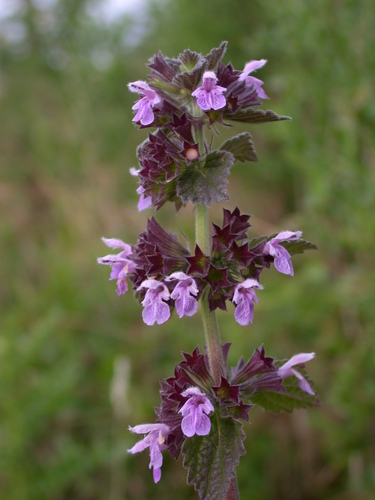
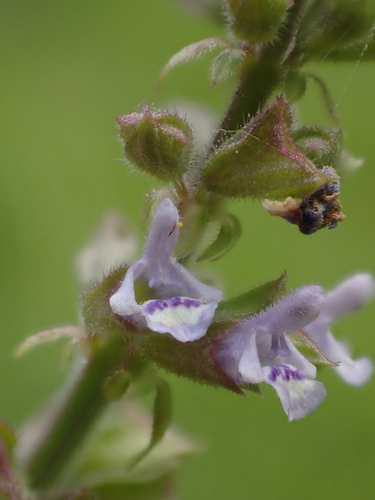
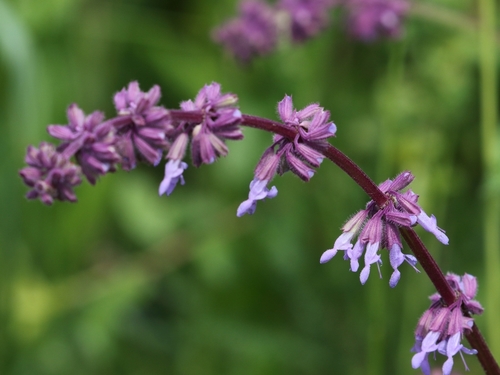
Salvia verticillata, commonly known as lilac sage or whorled clary, is a herbaceous perennial plant. It is native to a broad region stretching from central Europe to western Asia, and has become naturalized in northern Europe and North America. This species was first formally described by Carl Linnaeus in 1753. Salvia verticillata forms a leafy base of mid-green leaves that are covered with hairs, and produces leaf-covered stems that hold 0.91 meter (3 foot) inflorescences. Its tiny lavender flowers grow tightly packed into whorls, accompanied by small lime-green and purple calyces. The specific epithet verticillata references the fact that the flowers grow in whorled arrangements called verticils. A cultivar of this species named 'Purple Rain', introduced in the 1990s, is much more showy, has a longer blooming period, and grows to approximately 0.61 meters (2 feet) tall.