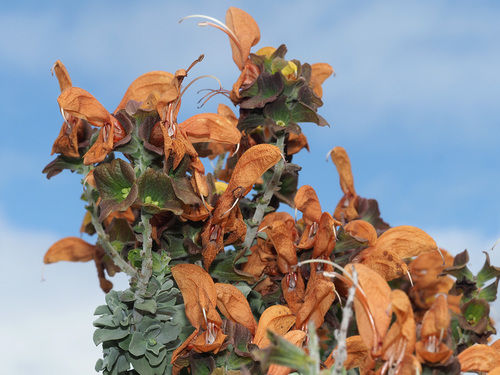
Salvia aurea L. is a plant in the Lamiaceae family, order Lamiales, kingdom Plantae. Not known to be toxic.

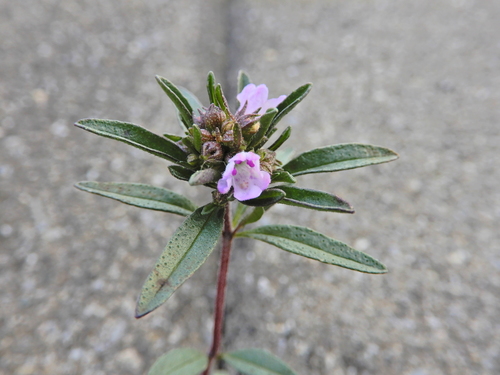
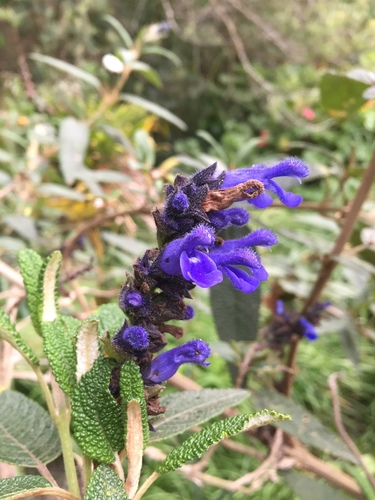
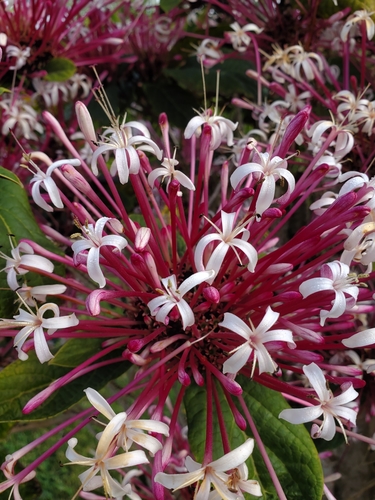
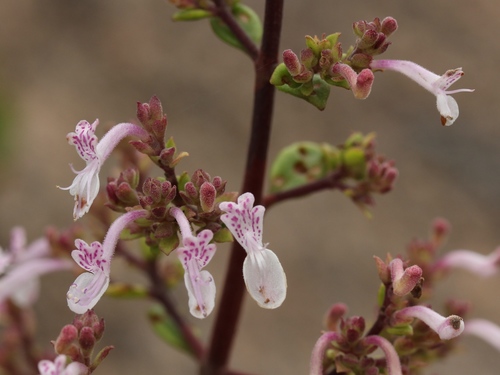
Photo of Salvia aurea L. (Salvia aurea L.)
🌿 Plantae

Salvia aurea L.

Salvia aurea L.

Salvia aurea L. is a South African sage with parrot-beak shaped flowers, used traditionally for multiple health conditions.

Family
Genus
Salvia
Order
Lamiales
Class
Magnoliopsida
⚠️ Toxicity Note

Insufficient toxicity evidence; avoid direct contact and ingestion.

About Salvia aurea L.

Salvia aurea L. has numerous woody stems that grow to more than 1 metre (3.3 feet) in both height and width, and it bears sparse grey-green leaves. Its flowers emerge bright yellow, then fade to a rusty color. The dark rusty calyx remains in place long after fruiting starts. The flowers are shaped like a parrot's beak, and grow in pairs at the ends of branches. This species is native to coastal sand dunes and hills along the coast of the Western Cape, Eastern Cape, and Northern Cape provinces of South Africa. Early European settlers used Salvia aurea to treat colds, tuberculosis, and chronic bronchitis. Traditional indigenous healers use the plant for respiratory ailments, influenza, gynaecological complaints, fever, headaches, and digestive disorders.
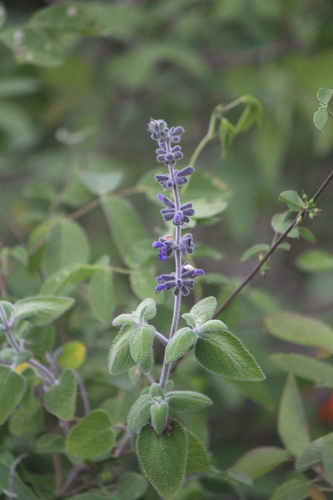
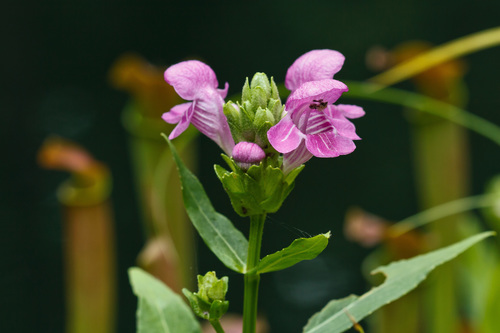
Photo: (c) Felix Riegel, some rights reserved (CC BY-NC), uploaded by Felix Riegel · cc-by-nc

Taxonomy

Plantae Tracheophyta Magnoliopsida Lamiales Lamiaceae Salvia

More from Lamiaceae

Sources: GBIF, iNaturalist, Wikipedia, NCBI Taxonomy · Disclaimer

Identify Salvia aurea L. instantly — even offline

iNature uses on-device AI to identify plants, animals, fungi and more. No internet needed.

Download iNature — Free

Start Exploring Nature Today

Download iNature for free. 10 identifications on us. No account needed. No credit card required.

Download Free on App Store