About Salix babylonica L.
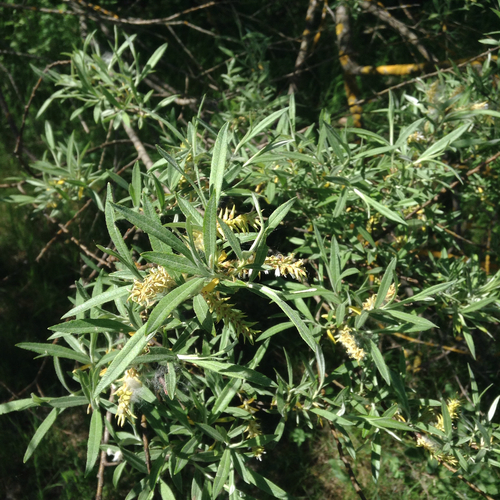
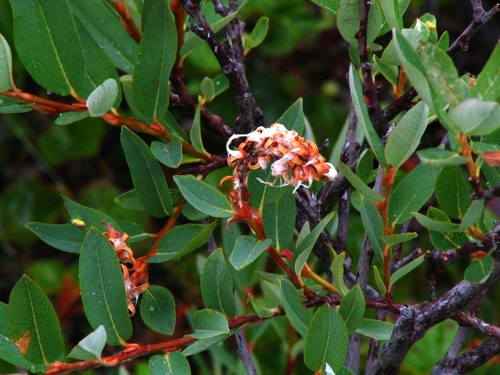
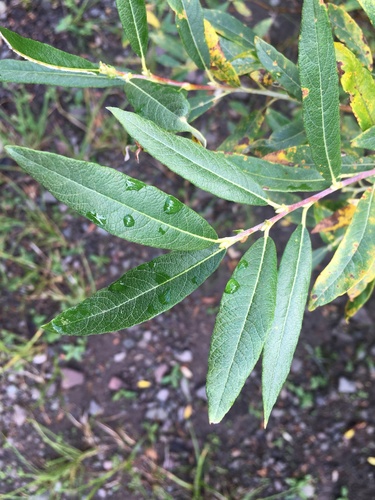
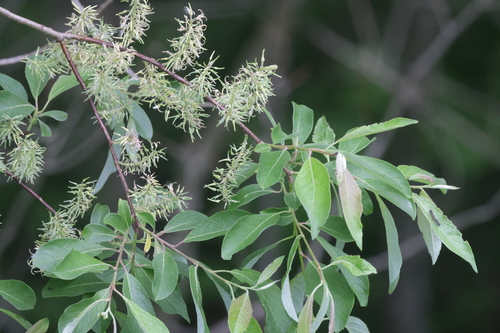
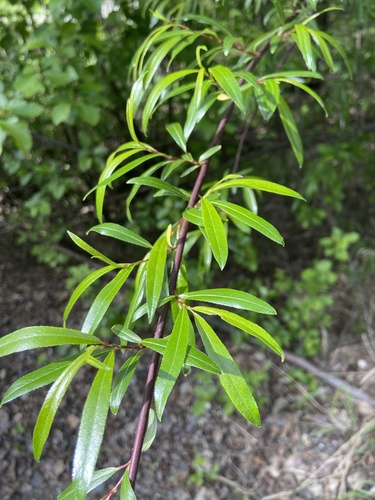
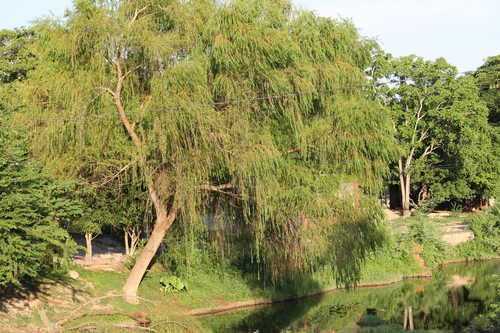
Salix babylonica L. is a medium- to large-sized deciduous tree that reaches heights of 20–25 m (66–82 ft). It grows quickly, but has a short lifespan of 40 to 75 years. Its shoots are yellowish-brown and bear small buds. Leaves are alternate and spirally arranged, narrow, light green, 4–16 cm (1.6–6.3 in) long and 0.5–2 cm (0.2–0.8 in) broad, with finely serrate margins and long acuminate tips; leaves turn gold-yellow in autumn. Flowers are arranged in catkins that emerge early in spring, and the species is dioecious, meaning male and female catkins grow on separate individual trees. In cultivation, Salix babylonica, particularly its pendulous-branched weeping form, has been introduced to many regions including Europe and the southeastern United States. Outside of China, it is generally not as successfully cultivated as some of its hybrid derivatives, because it is sensitive to late-spring frosts. In the humid climates common across much of Europe and eastern North America, this species is susceptible to a canker disease called willow anthracnose, caused by Marssonina salicicola. This infection makes infected trees short-lived and unsightly. Also called Peking willow, this tree is a popular ornamental in northern China. It is also grown there for wood production and to form shelterbelts, and is especially important around Gobi Desert oases, where it protects agricultural land from desert winds. Weeping willow tea has been reported to successfully encourage rooting in a wide variety of plants, including goji, Himalayan raspberry, limequat, honeyberry, and lemon verbena.