About Rumohra adiantiformis (G.Forst.) Ching
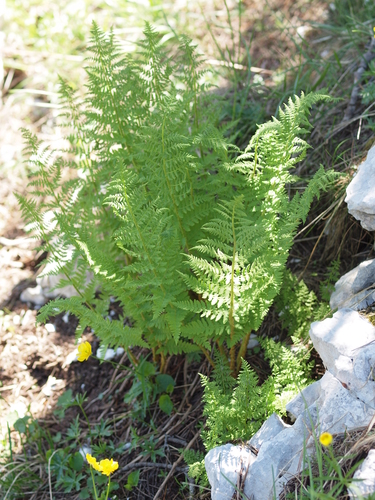
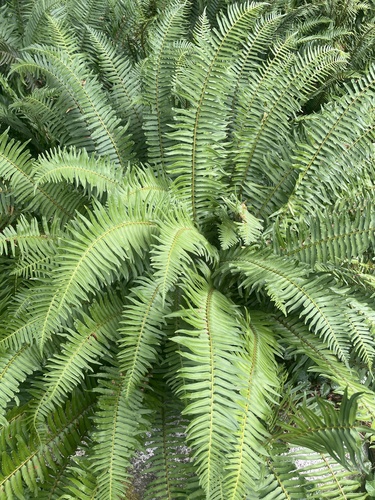
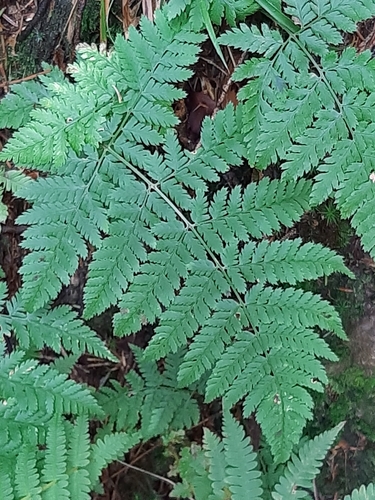
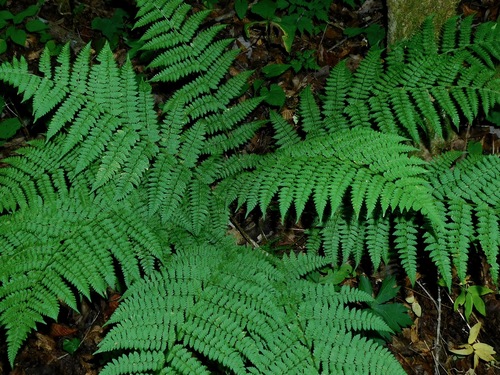
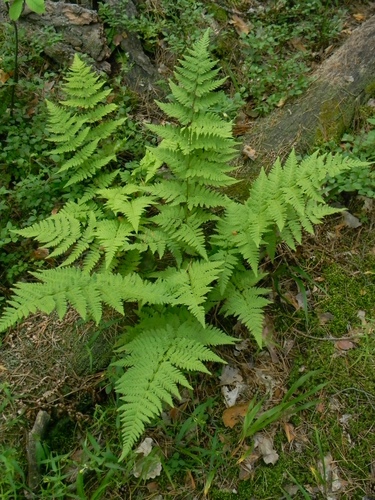
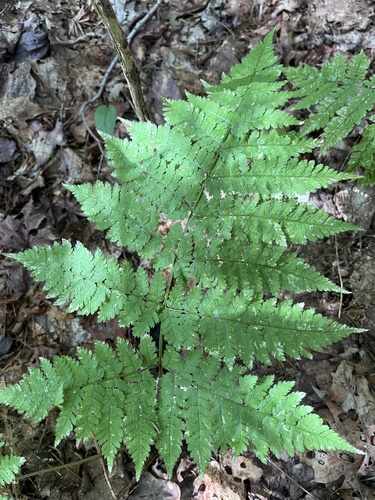
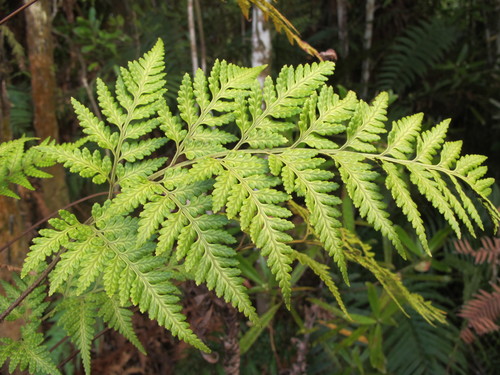
Rumohra adiantiformis is a bushy, tufted evergreen fern that grows 90 cm (35 inches) tall and wide, with glossy dark green fronds. Round sori, the fern's reproductive clusters, form on the underside of its pinnae, or leaflets. This differs from many other ferns, which grow separate, specialized reproductive fronds. Most of the sori have protective peltate indusia, or films, and prominent scales grow on the stipes of the fronds. Rumohra adiantiformis is native to South America, the Caribbean, southern Africa, Western Indian Ocean islands, Papua New Guinea, and Australasia. It is native to locations as varied as Brazil and Colombia, the Galápagos Islands, the Greater Antilles in the Caribbean, Zimbabwe, South Africa, Australia, and New Zealand. A well-documented example of the plant's native associations occurs in the Westland podocarp/broadleaf forests of New Zealand, where its common flora associates are Ascarina lucida, Pseudowintera colorata, Neopanax colensoi, Alsophila smithii, and Blechnum discolor. This fern is cultivated as an ornamental plant for use as a groundcover and in floristry. Since it is a tropical plant with only limited frost tolerance, it is typically grown under glass as a houseplant in temperate climates. In the United Kingdom, it has been awarded the Royal Horticultural Society's Award of Garden Merit. It holds economic importance in Brazil, where thousands of people earn income by wild-harvesting and selling its fronds for use in flower arrangements.