About Rumex acetosa L.
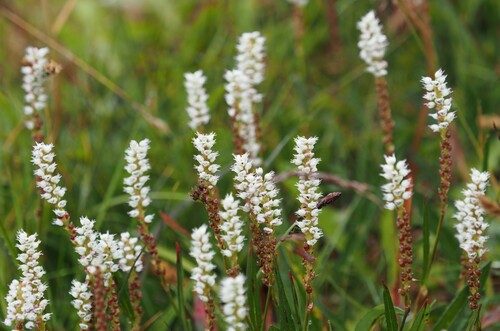
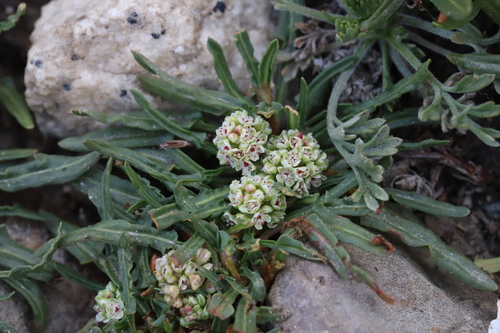
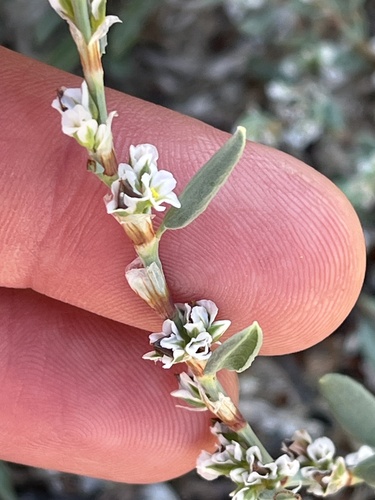
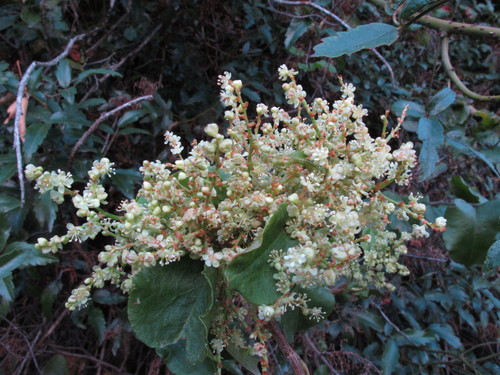
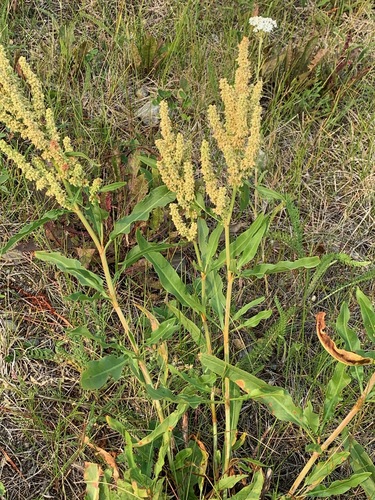
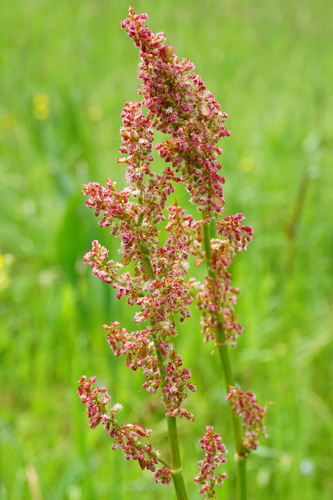
Common sorrel (Rumex acetosa L.) is a slender herbaceous perennial plant that grows to around 60 centimetres (24 inches) tall. It has deep-growing roots, juicy stems, and arrow-shaped (sagittate) leaves that emerge from a basal rosette. Lower leaves measure 7 to 15 cm (3 to 6 in) in length, have long petioles, and feature a membranous ocrea formed from fused, sheathing stipules. Upper leaves are sessile, meaning they grow directly from the stem without a petiole, and they often turn crimson. This plant produces whorled spikes of reddish-green flowers that bloom in early summer and later turn purplish. The species is dioecious, meaning stamens and pistils grow on separate individual plants. In its native range, Rumex acetosa grows in grassland habitats across Europe, from the northern Mediterranean coast to the far north of Scandinavia, and also in parts of Central Asia. It occurs as an introduced species in parts of New Zealand, Australia, and North America, and it is able to grow in poor-quality soil. In ecology, the leaves of Rumex acetosa are eaten by the larvae of multiple Lepidoptera (butterfly and moth) species including the blood-vein moth, by aphids, and by non-specialized snails and slugs. Common sorrel has been cultivated for hundreds of years. Young leaves are edible, though they toughen as they age; young leaves can be puréed for soups and sauces, or added raw to salads. Young shoots are also edible, and both shoots and young leaves are high in vitamin C and have a distinct lemony flavor. Across different regions, it has many culinary uses: in India, the leaves are added to soups or curries prepared with yellow lentils and peanuts. In Afghanistan, leaves are coated in wet batter, deep fried, and served as an appetizer, or to break the fast during Ramadan when sorrel is in season. In Armenia, people collect sorrel leaves in spring, weave them into braids, and dry them for winter use. The most common Armenian preparation is aveluk soup, where the dried leaves are rehydrated and rinsed to reduce bitterness, then stewed with onions, potatoes, walnuts, garlic, bulgur wheat or lentils, and sometimes sour plums. Throughout eastern Europe, wild or garden sorrel is used to make sour soups, and is stewed with vegetables, herbs, meat or eggs. In rural Greece, it is combined with spinach, leeks, and chard in spanakopita. "Escalope de saumon à l'oseille" (salmon escalope in sorrel sauce), invented in 1962 by the Troisgros brothers, is a signature dish of French nouvelle cuisine. Traditional French cuisine cooks fish with sorrel because the plant's acidity dissolves thin fish bones. Note that in the Caribbean, the term "sorrel" refers to a sweet hibiscus tea made from the African roselle flower, which is unrelated to this Eurasian sorrel herb.