About Ruellia humilis Nutt.
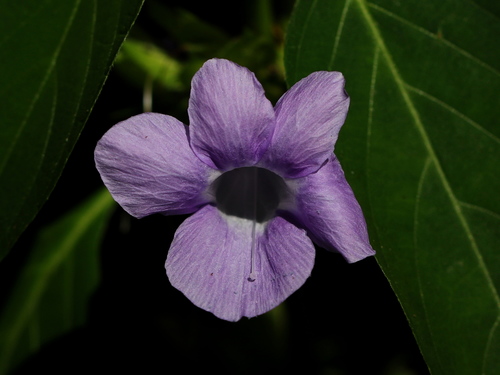
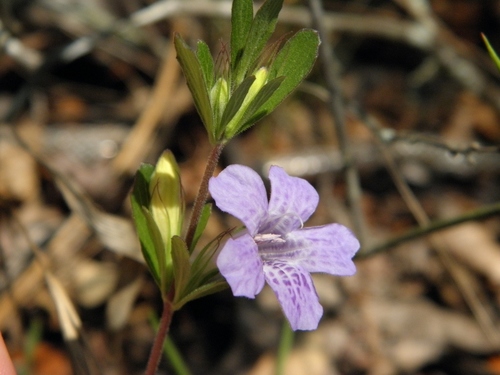
Ruellia humilis Nutt. is a flowering plant species in the Acanthaceae family, commonly known by the common names wild petunia, fringeleaf wild petunia, hairy petunia, and low wild petunia. This species is native to the eastern United States, ranging from the northeastern and northern central U.S. to the southeastern and southern central regions. According to the United States Department of Agriculture Germplasm Resources Information Network, it is native to the following U.S. states: Alabama, Arkansas, Georgia, Illinois, Indiana, Iowa, eastern Kansas, Kentucky, Louisiana, Maryland, Michigan, southeastern Minnesota, Mississippi, Missouri, Nebraska, western North Carolina, Ohio, Oklahoma, Pennsylvania, Tennessee, eastern Texas, West Virginia, Wisconsin, and Virginia. It is grown as an ornamental plant, though it is not well known or widely used in conventional nurseries or gardens. Its use in home gardens has increased as native gardening grows in popularity. Ruellia humilis typically grows around one foot tall, and can reach up to two feet in height. Its leaves are arranged oppositely along stems, and are approximately 2.5 inches long by 1 inch wide. The leaf color ranges from light green to medium green, with smooth entire margins. Both the stems and leaves are covered in soft white hairs. The flowers are funnel-shaped with five lobes, measuring 1.5 to 2.5 inches in diameter, and the whole plant shares a resemblance to petunias, giving it its common name. The lavender flowers bloom from July through September; individual flowers open in the morning and drop off in the evening. In ecological contexts, Ruellia humilis grows in dry to average moisture soil, and tolerates full sun to partial shade conditions. Its natural habitats include prairies, glades, meadows, and open woodland environments. It grows particularly well in dry, shallow, and rocky soils. Studies have recorded higher arbuscular mycorrhizal fungi (AMF) diversity associated with Ruellia humilis when it grows in calcareous plots, compared to when it grows in acidic plots. One case study sampled Buettner Xeric Limestone Prairies in Monroe County, Illinois, to document more specific details of the plant’s regional distribution within this prairie system. The study found that Ruellia humilis had a 70% presence frequency in the eastern region of the prairie, and only a 3% presence frequency in the western region of the prairie. For context, the eastern region of the study site had vegetation covering approximately 38% of the surface, while the western region had vegetation covering approximately 33.5% of its surface. Rock cover was between 17% and 19% in both regions, and combined bare ground and litter cover ranged from 40% to 44% in both regions.