About Rhynchostegium riparioides (Hedw.) Cardot
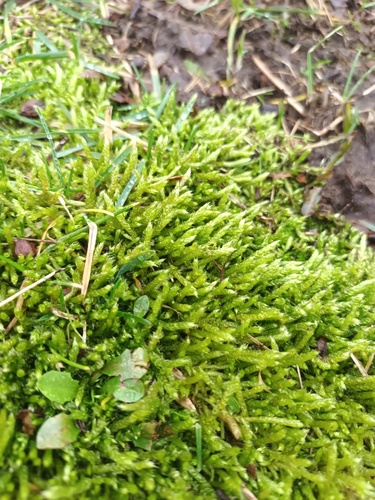
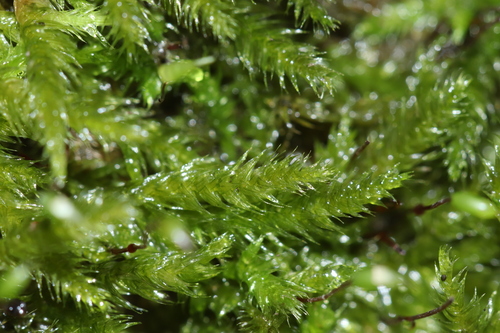
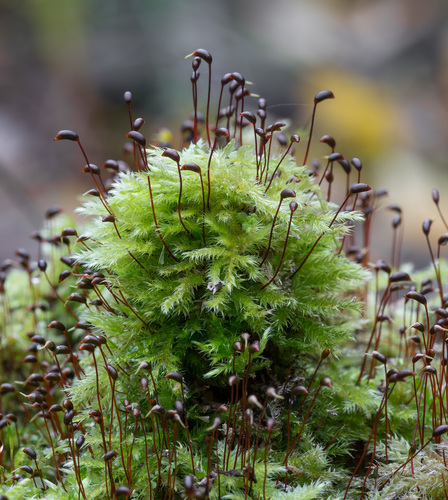
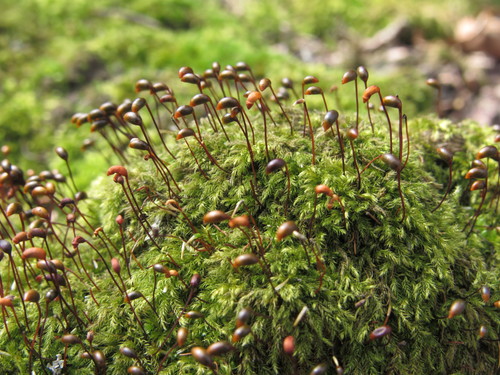
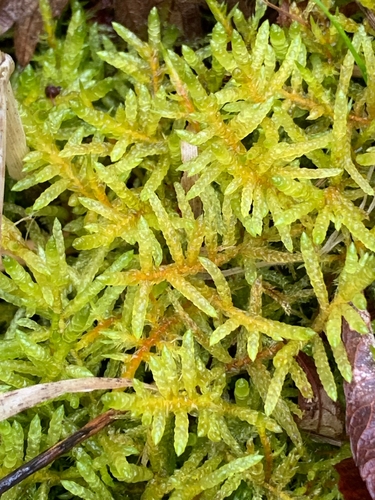
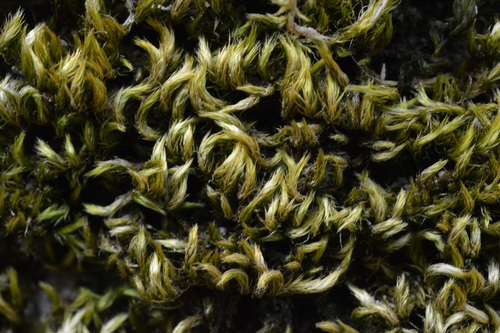
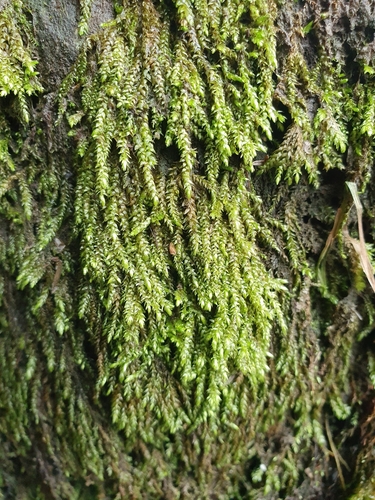
Rhynchostegium riparioides (Hedw.) Cardot is also referenced as Platyhypnidium riparioides in this description. It is one of the larger moss species native to the Northern Hemisphere. Individual plants can grow up to 15 cm long, with leaves reaching up to 8 mm in length. In the United Kingdom, this species commonly produces calyptra with relatively long, curving lids. Its leaf tips are acute, and leaf margins are plane, becoming slightly denticulate near the tip. Mid-leaf cells are large, and the costa (the central stalk of the leaf) extends nearly to the leaf tip. The species has a procumbent growth form; small, young plants attach tightly to rocks and appear flattened. Diagnostic features for identification include its comparatively large overall size (up to 15 cm long), large leaves up to 8 mm, and elongated mid-leaf cells. It produces abundant, frequent capsules that have long curving lids. In the UK, this species grows in the same habitats as other mosses that are easily confused with it, including aquatic mosses of the genus Brachythecium and Leptodictyum riparium. All of these similar mosses are platycarpus, have a single nerve per leaf, and overlap in size, but can be distinguished by differences in leaf shape, cell structure, and growth form. It has a wide global distribution, found south of the Arctic polar region, growing primarily in flowing freshwater habitats across the Northern Hemisphere. It is common throughout the British Isles.