About Rhynchophorus vulneratus (G.W.F.Panzer, 1798)
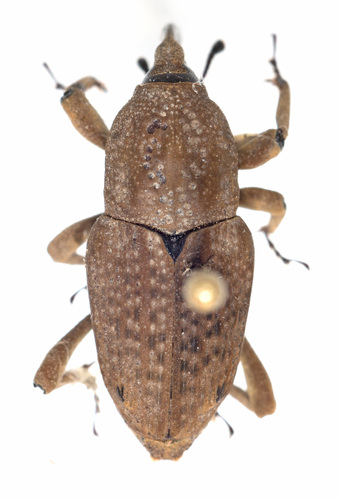
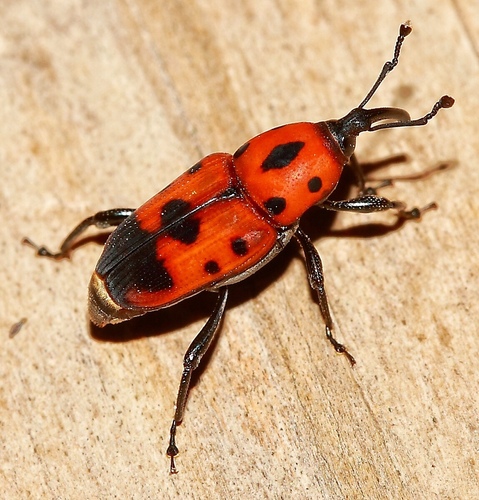
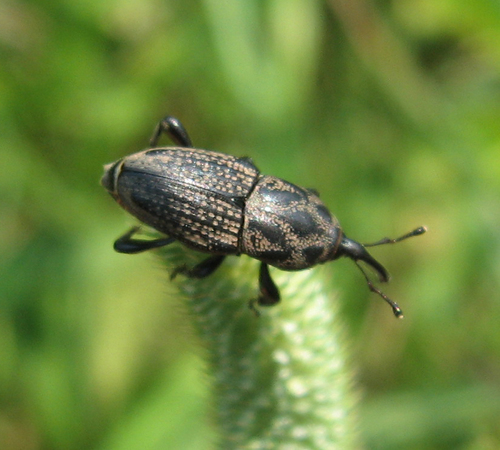
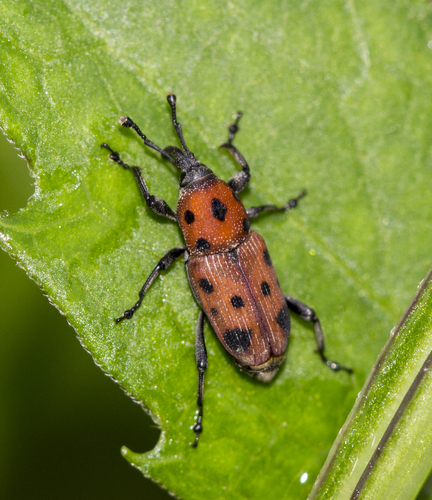
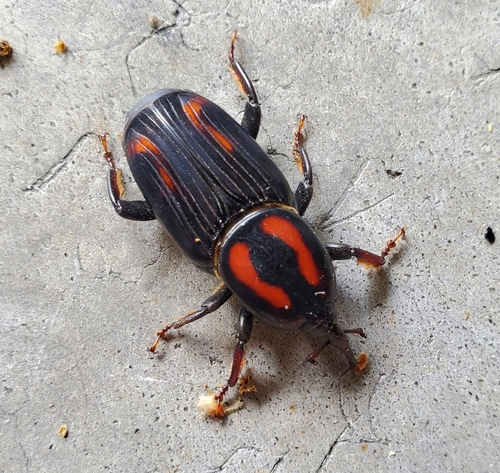
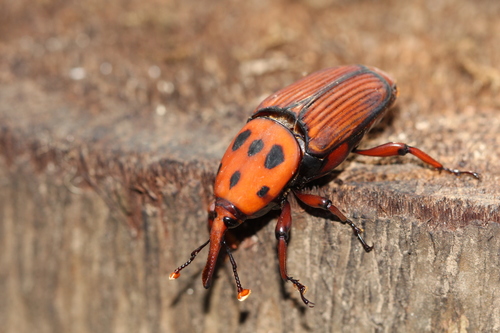
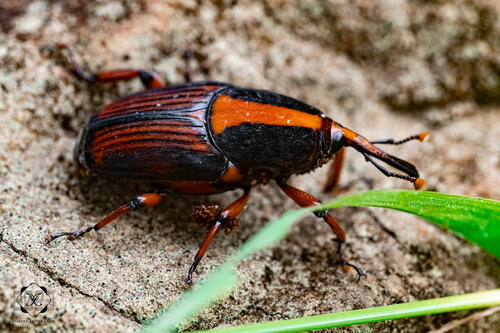
Rhynchophorus vulneratus, commonly known as the red palm weevil, Asian palm weevil, or Sago palm weevil, is one of two snout beetle species that share these common names. Adult individuals of this species are relatively large, measuring between 2 and 4 centimeters (1 to 1.5 inches) in length. Their body color ranges from rusty red to almost entirely black, and many distinct color variants exist. This wide variation in coloration has led to significant confusion between this species and other related weevils, such as Rhynchophorus ferrugineus. Larvae of this weevil species can carve tunnels up to 1 meter (3 feet 3 inches) long inside the trunks of palm trees. This activity weakens the host palm and eventually kills it, making R. vulneratus a major pest of commercial palm plantations, including plantations of coconut palm, date palm, and oil palm. The native distribution of R. vulneratus includes Indonesia, Malaysia, Myanmar, Singapore, and Thailand. Outside its native range, it has only been confirmed reported from the United States. Originating from tropical Asia, this species was first recorded in Laguna Beach, California, United States in late 2010, and was initially misidentified as the closely related R. ferrugineus. This population was successfully eradicated, and the species did not become established in the area. The larval grub of R. vulneratus is considered a delicacy in several Southeast Asian countries, including Brunei and Malaysian Borneo. Called sago grubs, raw larvae are described as having a creamy flavor, while cooked larvae taste similar to bacon or meat. They are often prepared with sago flour. In the Malaysian Bornean states of Sabah and Sarawak, the larvae are eaten either raw or roasted, and are considered a special high-nutrient meal by native groups including the Kadazan-Dusun, Melanau, and Dayak. In Sabah, this dish is known as butod.