About Rhynchophorus cruentatus (J.C.Fabricius, 1775)
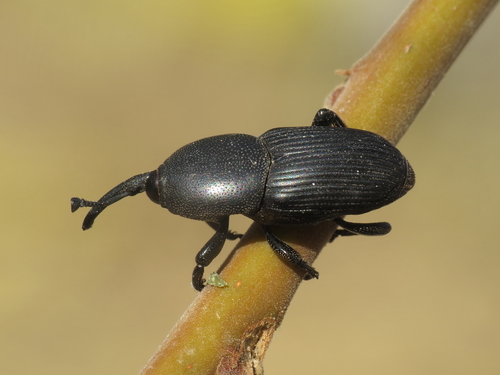
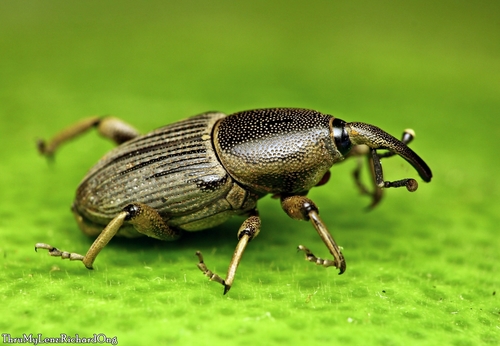
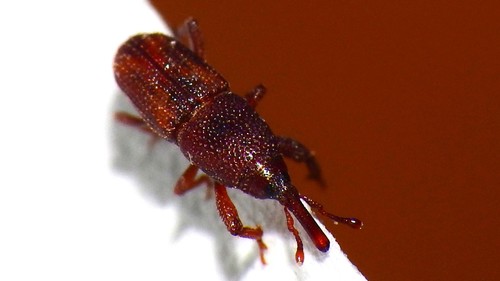
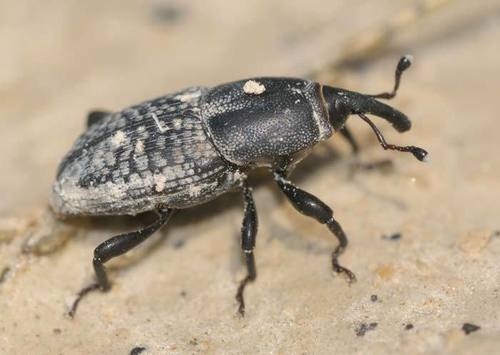
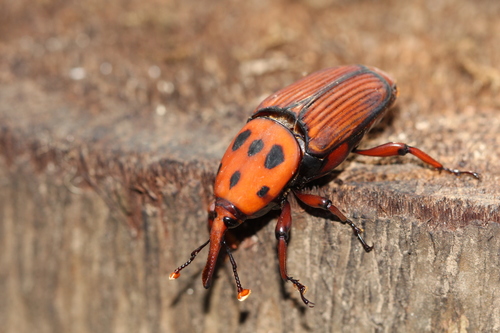
The palmetto weevil, scientifically known as Rhynchophorus cruentatus, is an insect native to Florida. Its recorded range extends as far west as southern Texas and as far north as South Carolina. It is the largest weevil found in North America, and the only palm weevil species present in the continental United States. This insect infests palm trees and is classified as a pest. Its primary target is the Canary Island date palm, but many other palm species are also susceptible to infestation: date palms (a distinct species from the Canary Island date palm), sabal palms (the palmetto weevil's traditional main target), saw palmetto (the palmetto weevil's traditional alternative target), Washingtonia, Pritchardia, royal palms, Latania, coconut palms, Caryota, and Bismarckia. Palmetto weevils usually attack distressed palm trees, so recently transplanted trees are frequent targets. Palmetto weevils mate at the base of palm branches, where females lay their eggs. After hatching, weevil grubs bore into the palm tree and feed on it, which ultimately kills the tree. Visible damage only appears after larvae have developed into adult weevils, and by that stage the tree cannot be saved. The full palmetto weevil life cycle from egg to adult takes approximately 84 days. To prevent infestation, it is recommended that an appropriate insecticidal crown drench be applied twice yearly to high-value palms. Grubs of other palm weevil species are eaten as a delicacy in countries outside of the United States. Palmetto weevils are most active during late spring and early summer.