About Rhus glabra L.
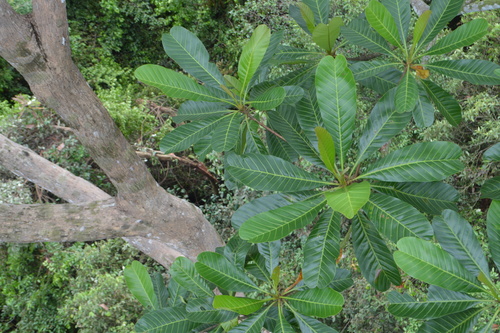
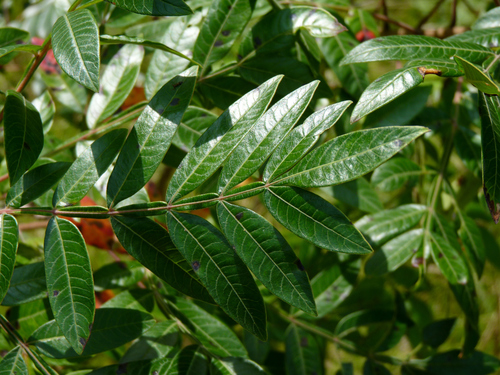
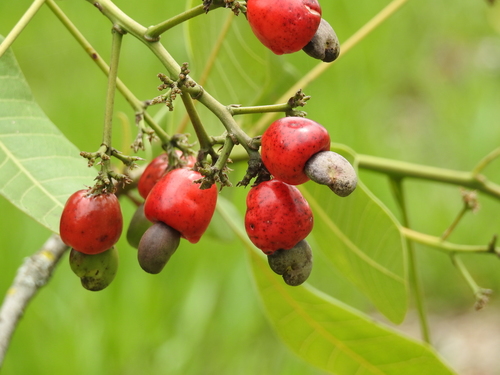
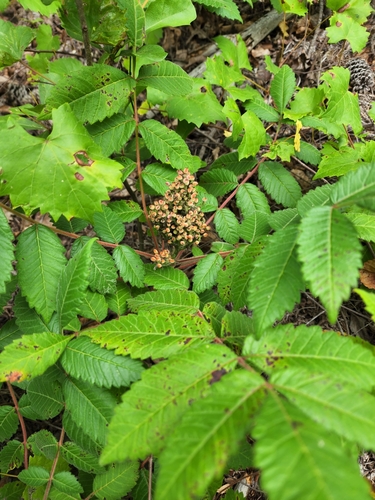
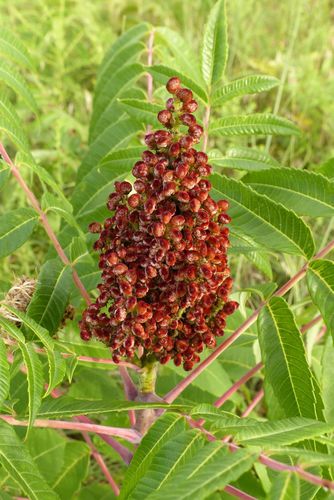
Smooth sumac, scientifically known as Rhus glabra L., has a spreading, open growth habit and reaches up to 3 metres (10 ft) in height. Its bark is smooth, and ranges in color from gray to brown. Its leaves are alternate, 30–50 centimetres (12–20 in) long, and compound, with 11–31 oppositely paired leaflets. Each leaflet measures 5–13 cm (2–5 in) long and has a serrated margin. Leaves turn scarlet during the fall season. This species is dioecious. Its tiny green flowers grow in dense erect panicles 10–25 cm (4–10 in) tall, and bloom in spring. After flowering, large panicles of edible crimson berries develop; these berries stay on the plant through the winter. The small buds are covered in brown hair, and grow on thick, hairless twigs.
Rhus glabra L. is native to North America. In Canada, it ranges from southern Quebec west to southern British Columbia. In the United States, it extends south to northern Florida and Arizona, and it also reaches Tamaulipas in northeastern Mexico. It grows in a wide variety of habitats, ranging from streambanks to dry montane slopes.
In late summer, parasitic sumac leaf gall aphids (Melaphis rhois) sometimes cause galls to form on the underside of this plant's leaves. These galls are not harmful to the plant.
Native Americans ate the young sprouts of this plant as a salad. Its fruit is sour and contains a large seed, but can be chewed to alleviate thirst, and can be processed into a lemonade-like drink. Deer forage on the plant's twigs and fruit. In 2020, archaeologists excavated a pipe at a dig site in Central Washington state. Chemical evidence from the pipe indicates a Native American tribe smoked Rhus glabra, either on its own or mixed with tobacco, possibly for its medicinal qualities and to improve the flavor of the smoke.