About Rhizoprionodon terraenovae (Richardson, 1836)
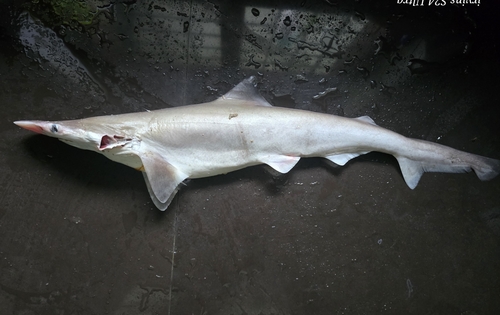
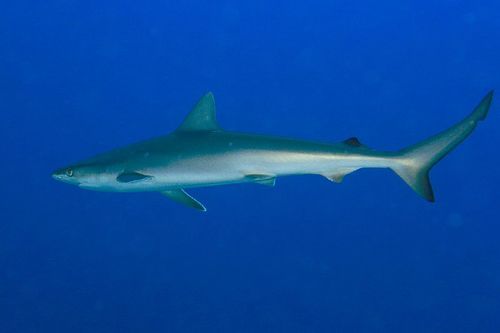
The Atlantic sharpnose shark (Rhizoprionodon terraenovae) is a small shark species compared to other sharks. The maximum recorded total length for the species is between 110 and 120 cm (3.6–3.9 ft), while the average adult total length falls between 91.4 and 99 cm (3.00–3.25 ft). Wild Atlantic sharpnose sharks have been reported to live up to 19 years. One distinctive trait of this species is that juvenile individuals have black edges on their dorsal and caudal fins. This species ranges from New Brunswick, Canada in the north, to the southern Gulf of Mexico in the south. Existing reports of this species occurring in Brazil are likely cases of misidentification, confusing the Atlantic sharpnose shark with the Brazilian sharpnose shark. Atlantic sharpnose sharks prefer warmer shallow coastal habitats, and they are most often found in waters less than 10.1 m (33 ft) deep, though individuals have been recorded at depths as great as 280 m (920 ft). Female Atlantic sharpnose sharks are viviparous. After a 10–11 month gestation period, females produce a litter that most commonly holds four to six pups, though total litter size can range from one to seven pups. Newborn pups are typically 29 to 37 cm (11 to 15 in) in total length. Females move into marine estuaries during late spring, and breeding can occur throughout most of the year.