About Rhinella icterica (Spix, 1824)
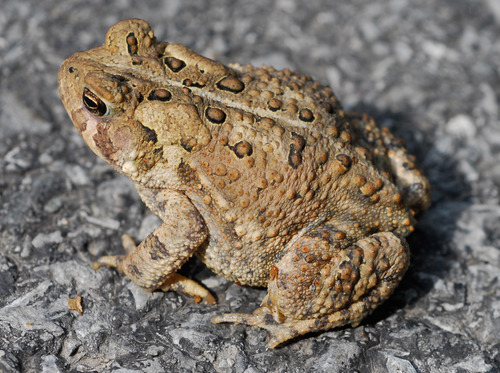
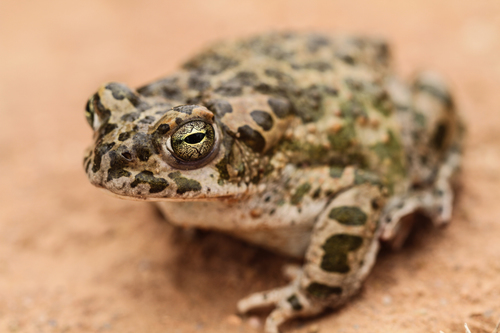
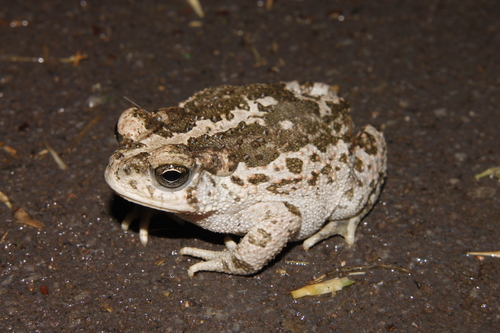
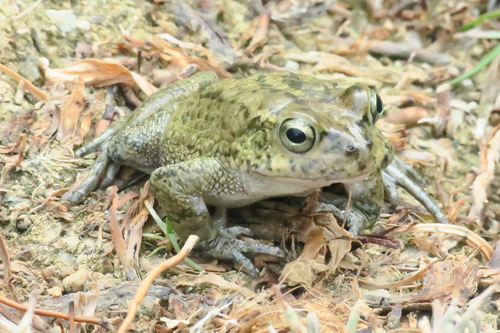
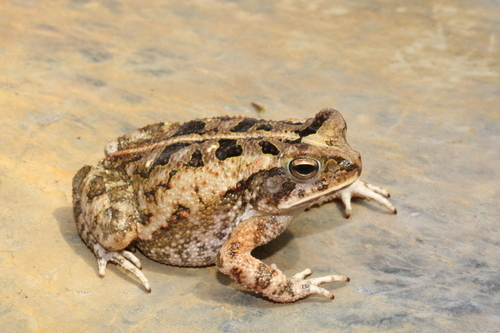
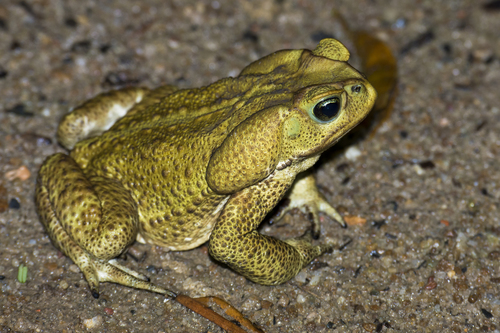
Rhinella icterica are relatively large, stout-bodied toads. Males have a snout–vent length of 100–166 mm (3.9–6.5 in), while females have a snout–vent length of 135–190 mm (5.3–7.5 in). This species has prominent parotoid glands and strong cephalic crests. The dorsum is yellowish in females and juveniles, with a light midline stripe and a consistent pattern of black blotches; males are often bright greenish yellow, with only a few black blotches. The belly is white and marbled with brown. Blunt, thorny warts are scattered across the skin, and this trait is especially noticeable in males. Rhinella icterica is the most common toad species in southeastern Brazil, and preys on the yellow scorpion Tityus serrulatus. It has been observed eating scorpions without experiencing any adverse effects. This tolerance may be connected to Rhinella icterica toxic secretion (RITS), which acts as an irreversible, concentration-independent neuromuscular blockade. Acetylcholinesterase enzyme inhibits the activity of RITS. RITS also acts as an inhibitor of the cardiac Na+, K+-ATPase pump. Researchers have concluded that this toad's toxic secretion inhibits calcium pumps in the heart (which causes twitching), AChE, and the Na+, K+-ATPase pump. This toad species has a documented defense mechanism against predators. Cutaneous glands scattered across the bodies of amphibians support respiration, water balance, and chemical defense. There are two types of these glands: mucous glands and poisonous glands. The poisonous granular glands that support defense form glandular structures called parotoid macroglands, located one on each side of the body in the dorsal region behind the eyes. When threatened, the toad inflates its lungs and points one of the glands toward the attacker, positioning the gland to respond to pressure. When the region is pressed, poison is released quickly. If a predator bites the toad, poison is ejected directly into the predator's oral mucosa, poisoning the predator. Rhinella icterica is found in the Atlantic Forest, covering southeastern and southern Brazil, eastern Paraguay, and the Misiones and Corrientes provinces of Argentina. During the breeding season, this species gathers in large groups primarily in streams or ponds. It feeds on detritus and submerged plants. This common toad occurs across a wide range of habitats, from forests to open habitats such as Cerrado savanna, and it also lives in disturbed habitats. Breeding occurs from August to January in both permanent and temporary ponds and streams. It is an adaptable species present in many protected areas, and is not considered threatened. Historically, these toads were restricted to forested, less urbanized areas of Brazil. More recently, deforestation and new road construction have reduced toads' access to the water required for breeding. As a result, Rhinella icterica populations have gradually declined, which has led to an increase in the number of scorpions in affected areas.