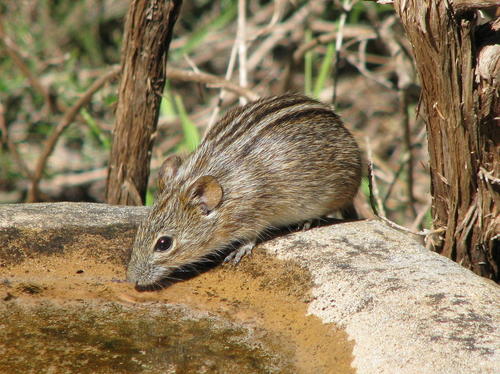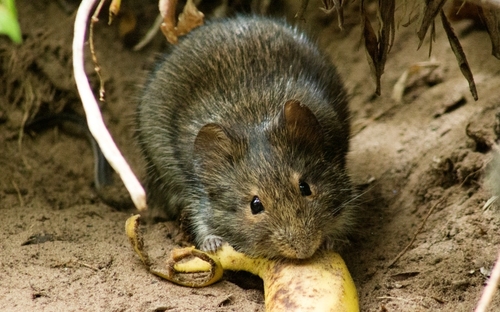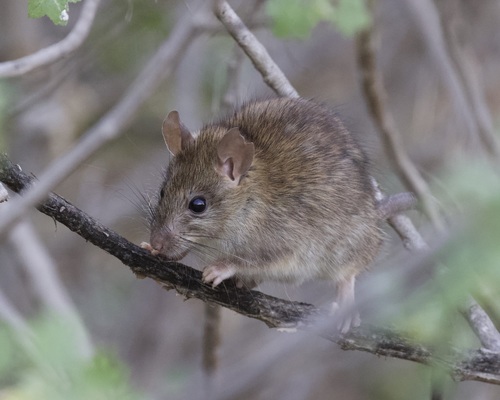
About Rattus rattus (Linnaeus, 1758)
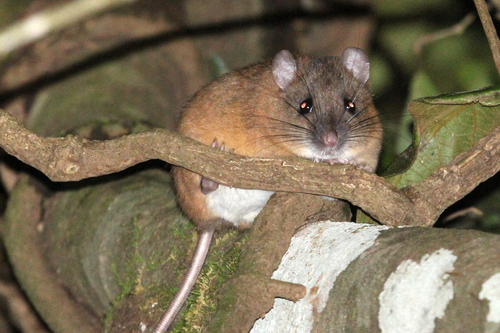
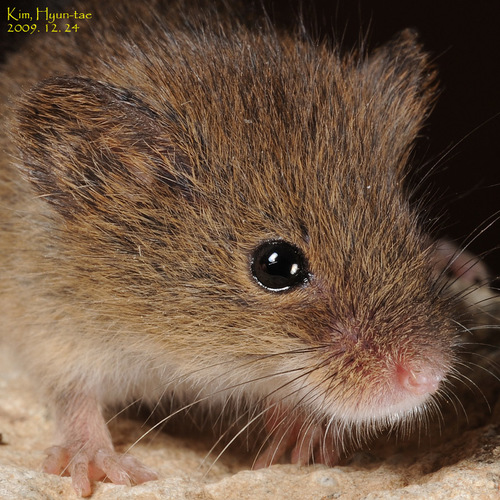
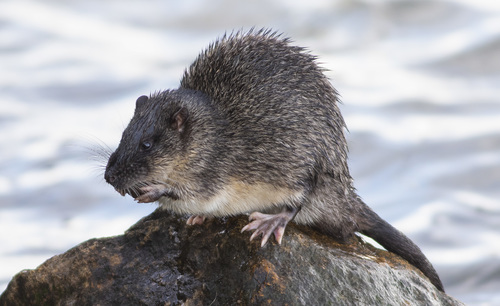
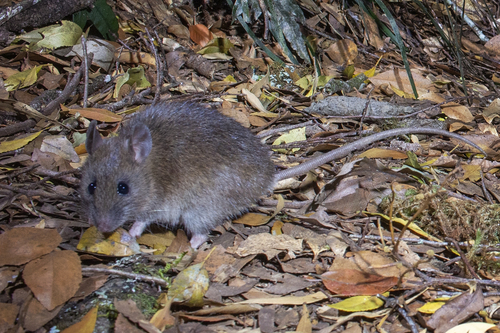
Characteristics: A typical adult black rat (Rattus rattus) measures 12.75 to 18.25 cm (5.02 to 7.19 in) in body length, not including its 15 to 22 cm (5.9 to 8.7 in) tail, and weighs 75 to 230 g (2.6 to 8.1 oz), with size varying by subspecies. Contrary to what its common name suggests, the species displays multiple different colour morphs. Its colouration usually ranges from black to light brown, with a lighter coloured underside. In 1920s England, multiple colour variants were bred and exhibited alongside domesticated brown rats, including an unusual green-tinted variety. Distribution and habitat: The black rat originated in India and Southeast Asia, then spread to the Near East and Egypt, and across the Roman Empire, reaching Great Britain as early as the 1st century AD. Europeans later spread the species to every continent around the globe. Today, black rats are mostly restricted to warmer regions, as they have been outcompeted and displaced by the larger, more aggressive brown rat (Rattus norvegicus) in cooler regions and urban areas. The shift from wooden structures and thatched roofs to bricked and tiled buildings also benefited burrowing brown rats over tree-dwelling black rats. Additionally, brown rats eat a broader range of foods and tolerate more extreme weather conditions better than black rats. Under certain conditions, often linked to the timing of bamboo plant fruiting, black rat populations can grow exponentially and destroy the crops of subsistence farmers; this event is called mautam in parts of India. Black rats are believed to have been brought to Australia with the First Fleet, and have since spread across many of the country's coastal regions. Black rats can adapt to a very wide range of habitats. In urban areas, they live around warehouses, residential buildings, and other human settlements. They also inhabit agricultural areas such as barns and crop fields. In urban settings, they prefer to live in dry upper levels of buildings, so they are commonly found in wall cavities and false ceilings. In wild areas, black rats live in cliffs, rocky outcrops, the ground, and trees. They are excellent climbers and prefer to make their homes in palms and trees such as pines. Their nests are usually spherical and built from shredded material, including sticks, leaves, other vegetation, and cloth. When palms or trees are not available, they will burrow into the ground. Black rats can also be found near fences, ponds, riverbanks, streams, and reservoirs. Behaviour and ecology: The black rat has a large home range for foraging, typically spanning 0.28–1.2 ha (0.69–2.97 acres). Home range size varies strongly by gender: male black rats can have home ranges up to three times larger than those of females. Home range size also differs by forest type; in New Zealand, home ranges in the southern beech forests of the South Island are much larger than home ranges in non-beech forests of the North Island. Because relatively few black rats have been studied in home range research, current size estimates for different demographic groups of the species are not conclusive. Mating and reproduction: Black rats generally breed year-round, and females can produce up to 5 litters in a single breeding season. In populations where most individuals are closely related, young rats will often leave their natal colony once they reach sexual maturity to avoid inbreeding. During copulation, male rats rarely mount females for longer than one second, but may repeatedly mount the same female for up to ten minutes total. The gestation period for female black rats ranges from 12 to 29 days. Black rats typically live about one year in the wild, and can live up to four years in captivity.