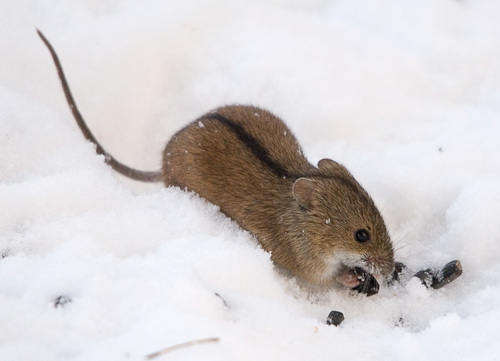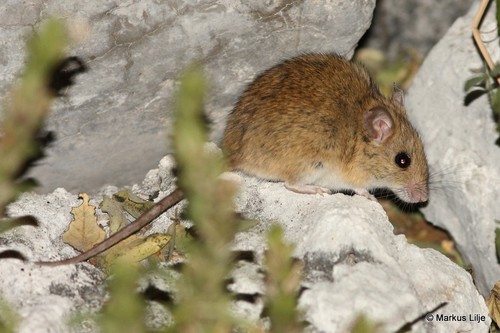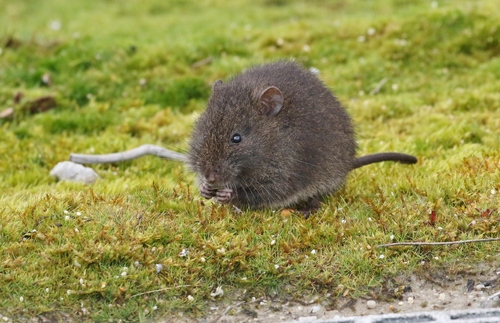
About Rattus lutreolus (J.E.Gray, 1841)
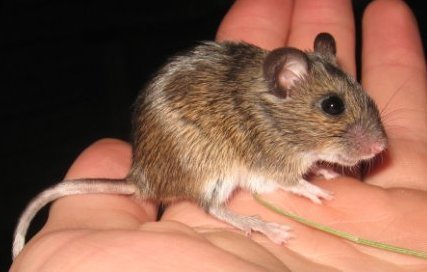
The Australian swamp rat, scientific name Rattus lutreolus (J.E.Gray, 1841), reaches an approximate body length of 160 millimetres (6 in), a tail length of approximately 110 mm (4.3 in), and a mass of about 120 grams (4 oz). It has a stocky build with black-brown fur and black feet. Its ventral surface ranges from cream to brown, and it has small ears that are nearly concealed by fur. Its tail is dark grey, scaly, and sparsely haired. This species is found near the coast of southern and eastern Australia. It occurs in lowland areas from Fraser Island down the coast of New South Wales and Victoria to the Mount Lofty Ranges in South Australia. One subspecies, velutinus, occurs in Tasmania, while another subspecies, lacus, lives in isolated patches of high altitude rainforest near Atherton, Queensland. The Australian swamp rat prefers thick vegetation along watercourses and in swamps. Dense vegetation on islands above the high water mark is also suitable habitat. It can also live in coastal heath, dune scrub, grasslands, and sedgelands. These rats create tunnels through vegetation that they use for movement. The species generally selects habitat based on local vegetation density, and areas prone to fire are typically not recolonized after burning. Swamp rats live in the grounds at locations such as Healesville Sanctuary. These rats reach sexual maturity around August and begin breeding in October. Average litter sizes range from one to eleven, and the gestation period lasts around 23 to 25 days. Australian swamp rats use their olfactory senses to detect the odors of other species, which allows them to detect predators.