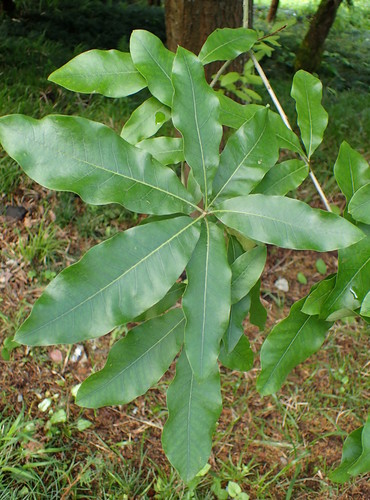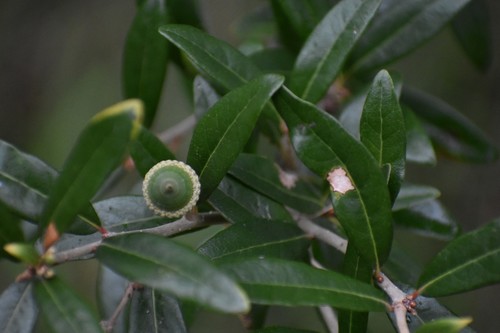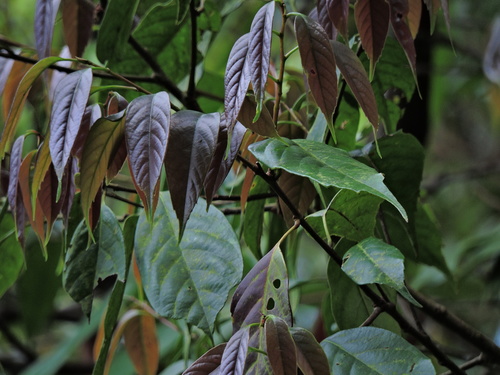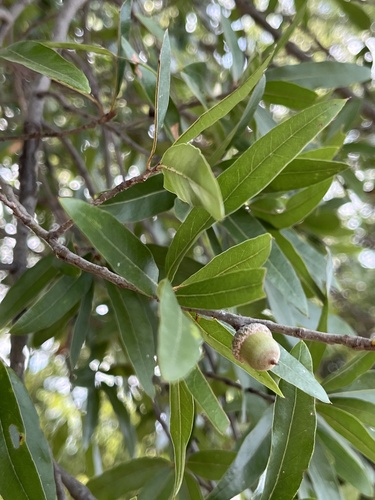
About Quercus phellos L.
Quercus phellos L. is a medium-sized tree that reaches 20–30 meters (65–100 feet) tall, and can grow exceptionally up to 39 m (128 ft). Its trunk grows up to 1–1.5 m (3+1⁄2–5 ft) in diameter, and can reach an exceptional 2 m (6+1⁄2 ft). This species is most common in the southern and eastern United States. Its range extends from Long Island Sound south to northern Florida, and west to the southernmost parts of Illinois, Missouri, Oklahoma, and eastern Texas. Its natural range also reaches into southeastern Pennsylvania and southern New Jersey. Historically, it was recorded growing in Lancaster, Bucks, Chester, Delaware, and Philadelphia counties, Pennsylvania, chiefly on wet sites, and occasionally on drier upland sites. Much of this area has been built over and developed since World War II, and the tree is now classified as endangered in Pennsylvania. It is most commonly found on lowland floodplains, often along streams, and rarely also in uplands with poor drainage, growing up to 400 m (1,300 ft) in altitude. Economic uses of Quercus phellos are primarily as an ornamental tree, and its wood used for pulp and paper production, as well as lumber. Willow oak lumber is light to medium reddish-brown with a fairly coarse grain. Common uses for this lumber include cabinetry, furniture, interior trim, and flooring. It is typically cheaper than white oak lumber, which is less susceptible to decay. Historically, willow oaks were used to make pulpits, pews, bar tops, wagon axles, stairs, railings, and flour barrels. Native Americans used the tree's wood and bark in baths to treat aches and cuts. In colonial times, its acorns were used as a substitute for flour, and roasted acorns served as a coffee substitute. Willow oaks are also used to stabilize soil and filter runoff; their hardy roots and ability to thrive along rivers let them control erosion on river banks. They are also used for restoring bottomland hardwood forests and rehabilitating disturbed areas. Willow oaks contain phenolic compounds, terpenoids, fatty acids, vitamins, sterols, and aliphatic alcohol in their leaves, acorns, and bark, and have been used in medicine as antiseptics and to treat gastrointestinal disorders. In the willow oak plant, phenolic compounds protect the tree against herbivores. In mammals, these compounds act as antioxidants, antimicrobials, and anti-inflammatories. The tree's acorns contain high concentrations of carbohydrates, amino acids, proteins, and lipids.