About Quercus magnoliifolia Née
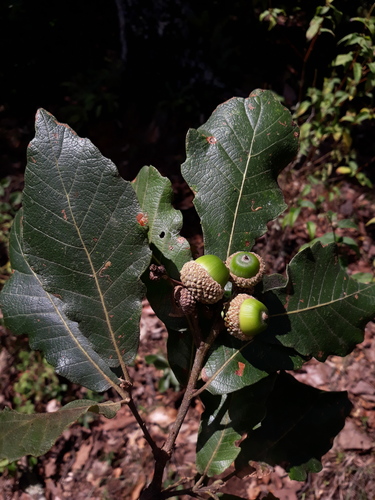
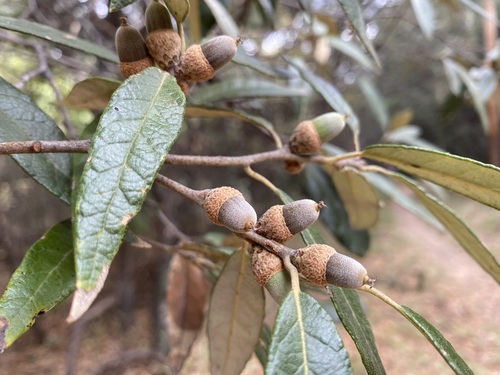
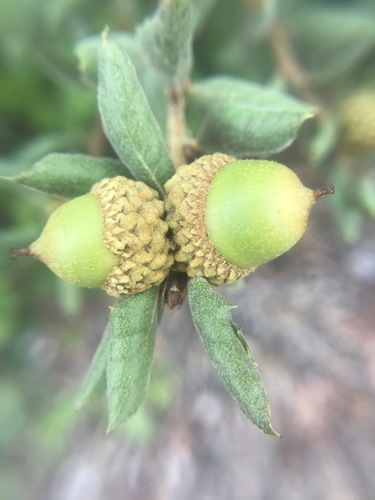
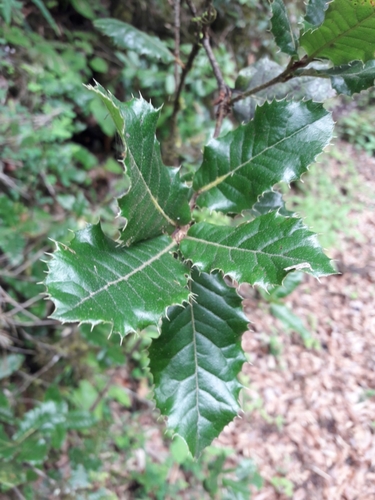
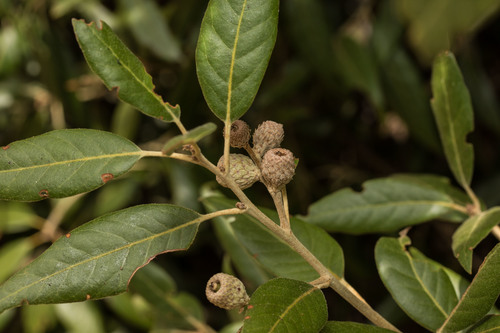
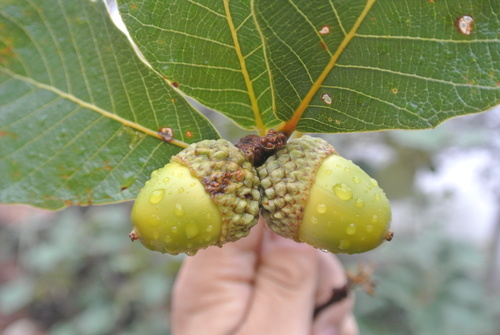
Quercus magnoliifolia Née, an oak species native to Mexico, has multiple common names: encino amarillo, encino avellano, encino bermejo, encino blanco, encino napis, encino prieto, and roble. This species is widespread along Mexico’s Pacific Coast, ranging from Sinaloa to Chiapas, and also occurs inland as far as Zacatecas and Puebla. It was first formally classified and described in 1801 by French-Spanish botanist Luis Née. Quercus magnoliifolia is a deciduous tree that can reach up to 20 metres (66 feet) in height, with a trunk that may grow up to 60 centimetres (24 inches) in diameter. Its leaves are thick and leathery, growing up to 22 cm (8+1⁄2 inches) long, with a broadly ovate shape. The edges of the leaves are wavy, or sometimes bear shallow teeth; the upper leaf surface is green, while the underside is covered in yellowish hairs.