About Pycnoscelus surinamensis (Linnaeus, 1758)
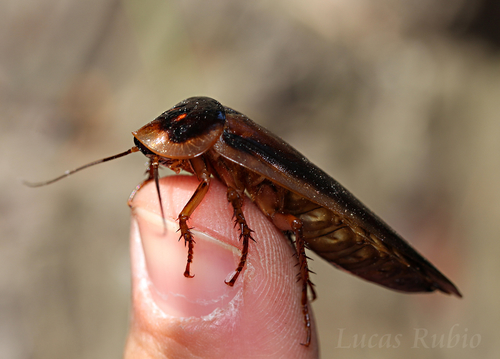
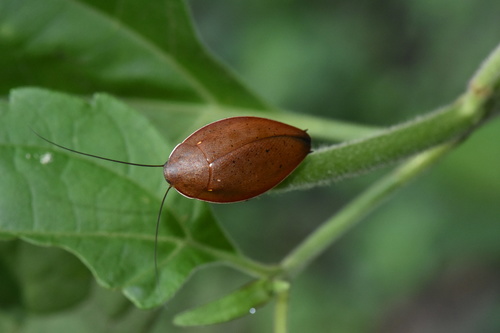
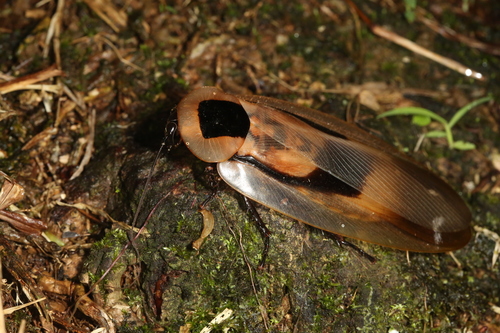
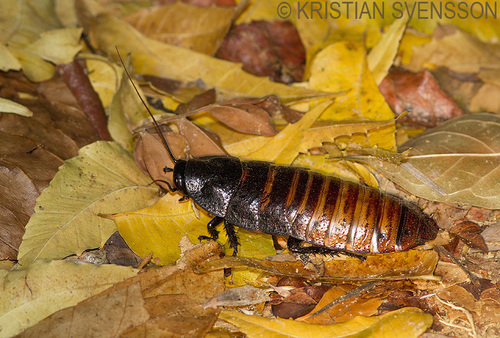
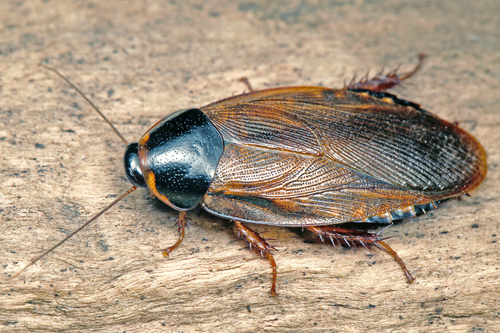
Adult Pycnoscelus surinamensis measure around 18–25 mm (0.71–0.98 in) in length, with dark brown to black bodies and shiny paler brown wings. A pale white band runs along the front edge of the pronotum, also called the head shield. Males are rarely produced; when they do occur, adult males have longer wings than females that fully cover the abdomen, though both sexes are poor flyers.
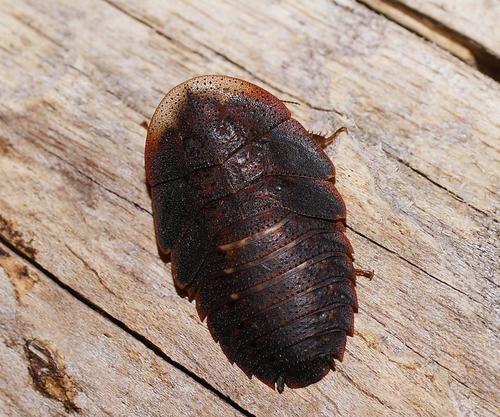
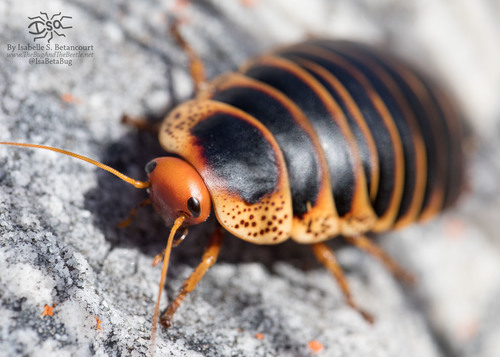
Newly hatched nymphs are around 4.5 mm (0.18 in) long. They are translucent white with orange-brown mandibles and spines, and have darker eye spots than the rest of the head. When exposed to air, the nymphs' exoskeleton gradually hardens, turning glossy brown within 5 to 6 hours, while the underside and legs remain translucent. Older nymphs develop shiny black anterior abdominal segments, and roughened, dull black posterior abdominal segments.
P. surinamensis originated in the Indomalayan region and is now cosmopolitan. It can be found across the world in tropical regions, and also extends into subtropical areas. In temperate climates, it can temporarily establish populations in protected habitats, especially in greenhouses (also called glasshouses) or other areas that are heated during colder periods. It is often spread to greenhouses via shipments of tropical plants. In the United States, it is common in the Southeast from North Carolina to Texas, with temporary populations also occurring in more temperate areas of the country.
This species is a burrowing cockroach that commonly burrows into loose soil, humus, mould, compost piles, and lawn thatch, or hides under rocks, rotten branches, trash, and other debris. A 1996 study found P. surinamensis to be peridomestic, meaning it only lives near human constructions or crops, and it may also be considered synanthropic. Compared to non-burrowing cockroach species, it has a relatively high rate of cutaneous water loss, so across its entire range it is nearly exclusively associated with moist soil.