About Pycnonotus leucogenys (J.E.Gray, 1835)
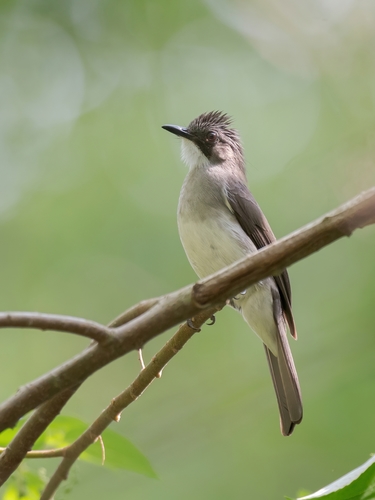
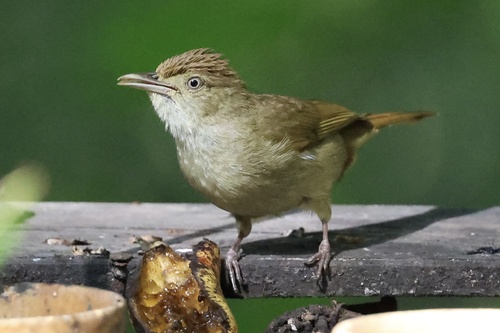
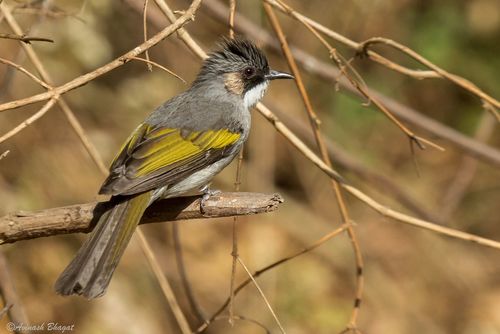
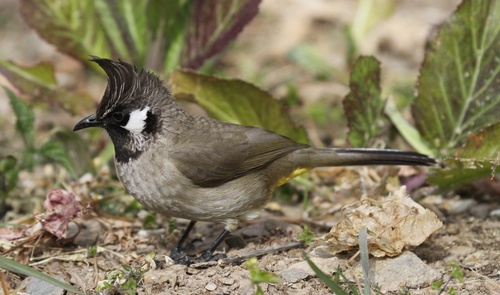
The Himalayan bulbul, scientifically named Pycnonotus leucogenys (J.E.Gray, 1835), reaches about 18 cm in length, with a wingspan ranging from 25.5 to 28 cm, and an average weight of 30 g. Its head, throat, and crest are patterned in black and white. The back, sides, and long tail are brown, while its underside is pale yellow. Males and females have similar plumage. Its song is a pleasant four-part whistle that sounds like a faster oriole whistle. This species lives in northern areas of the Indian subcontinent and nearby adjacent regions, specifically in and around the Himalayas. It commonly inhabits forests and shrubland, and also visits gardens and parks. The Himalayan bulbul's diet includes insects and other small invertebrates, alongside berries, fruits, seeds, buds, and nectar. It builds cup-shaped nests from stems, roots, and twigs, usually placed in bushes or on low branches. Females typically lay three eggs, which are incubated for 12 days. Hatchlings leave the nest between 9 and 11 days after hatching. Up to three broods can be raised each year, and adult birds become highly territorial during the breeding season.