About Pterodroma ultima Murphy, 1949
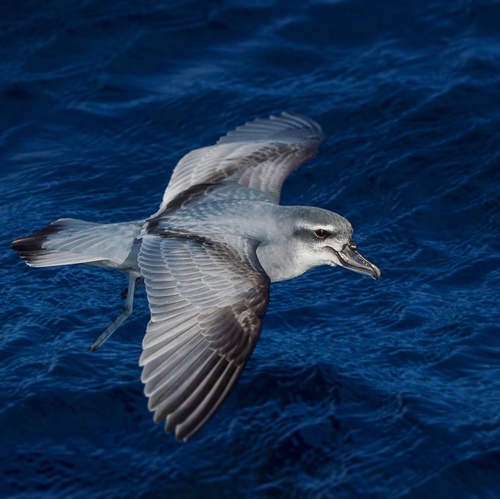
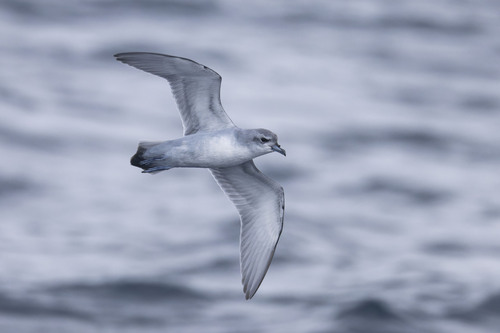
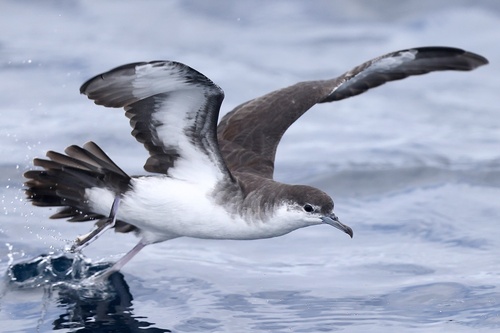
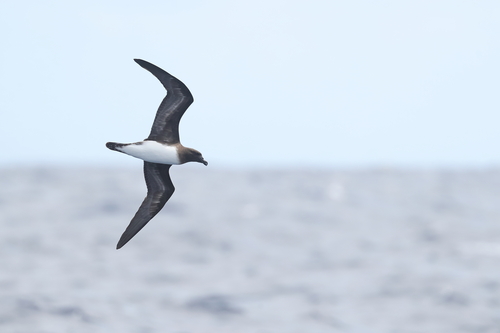
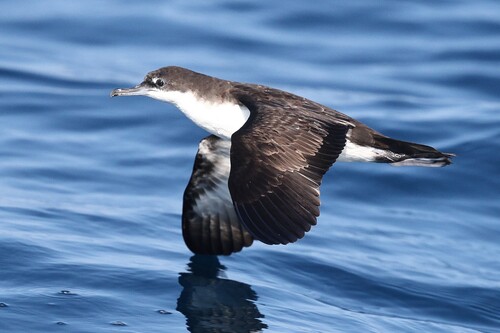
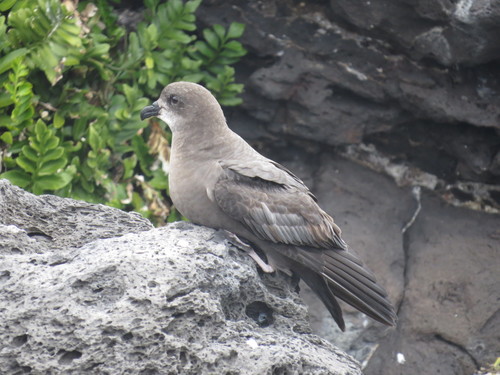
Murphy's petrel (Pterodroma ultima) is a species of seabird belonging to the gadfly petrel group. It measures 38–41 cm in length, has a 97 cm wingspan, and weighs approximately 360 g. Its plumage is uniformly dark sooty-grey apart from a pale chin, and it has pinkish legs; this species shows no sexual dimorphism. The species was first described by Robert Cushman Murphy in 1949, which is how it got its common name. During incubation, Murphy's petrels make unusually long feeding trips. Very little is known about this petrel species. It lives in the South Pacific, where it nests on rocky islets and cliffs off tropical oceanic islands in the Austral, Tuamotu, and Pitcairn island groups. It was not until the 1980s that researchers confirmed this species may be a regular visitor to waters far offshore of the west coast of North America. It has been recorded off the coast of the Hawaiian Islands, well off the Pacific Coast of the United States, and in the southern Gulf of Alaska. Most sightings of Murphy's petrel are more than 64 km offshore, and the species is reported to have one of the largest foraging ranges of any breeding seabird.