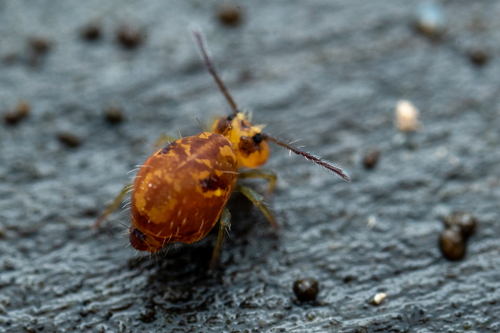
About Ptenothrix maculosa (H.Schött, 1891)
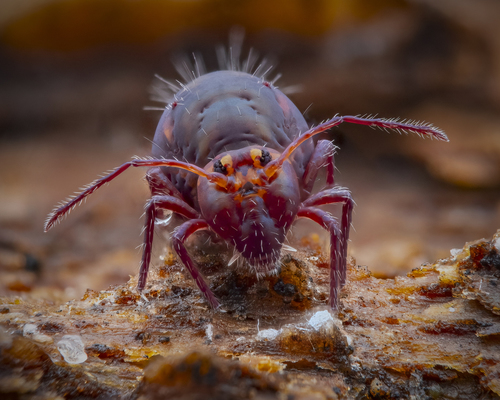
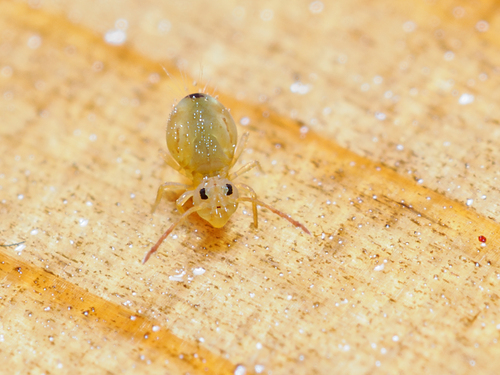
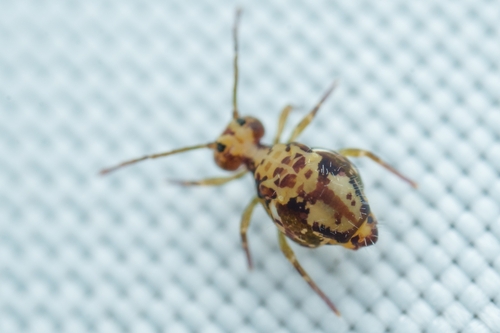
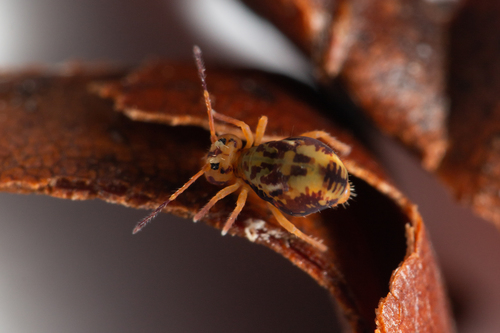
The scientific name of this species is Ptenothrix maculosa (H.Schött, 1891). For identification, this species is defined by unique microscopic features, including the arrangement and size of setae on the small posterior abdomen, and the relative lengths of specific setae on the tip of the furca, its jumping organ. Over time, researchers have identified consistent visual patterns that allow this species to be distinguished from other co-occurring species in photographs. This photo-based identification has been especially important for citizen science platforms like iNaturalist, helping researchers better understand the species' geographical range. This species was originally described by Swedish entomologist Henrik Schött in 1891. In 1981, Christiansen & Bellinger noted it as a west coast species with a Nearctic distribution. It is a common woodland species that ranges from Alaska to California. It is most often found under rotting wood, and within and underneath leaf litter, where it acts as a decomposer in natural habitats. Ptenothrix maculosa is classified as native, and likely endemic, to North America.