About Psidium guineense Sw.
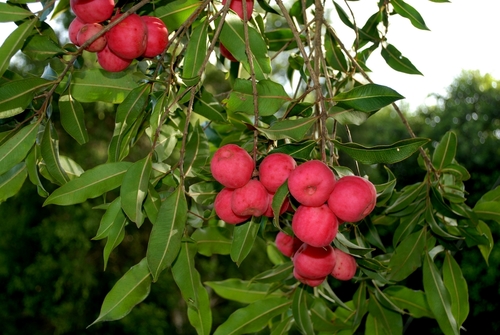
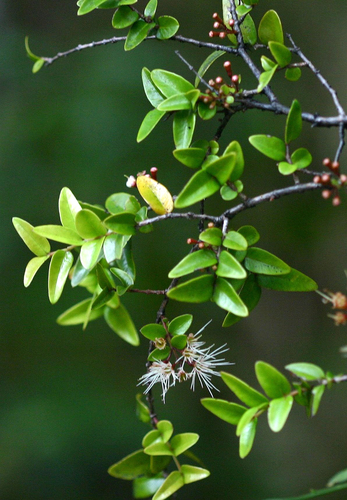
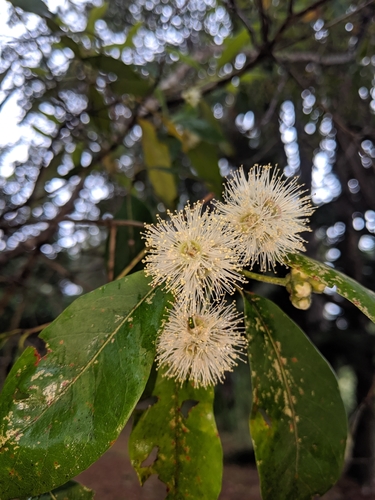
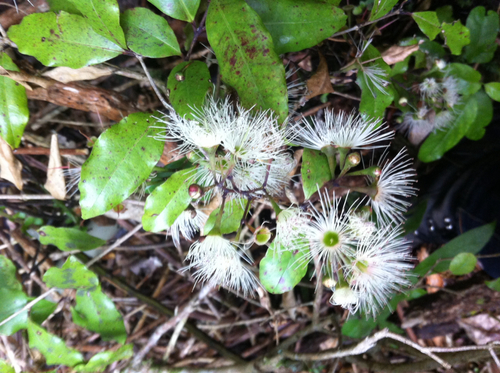
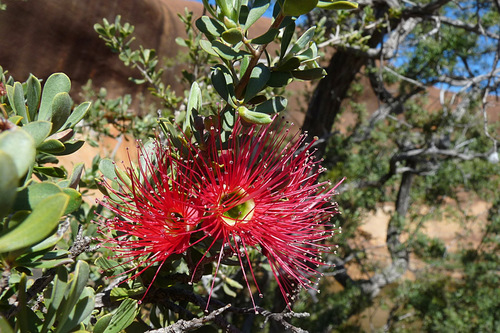
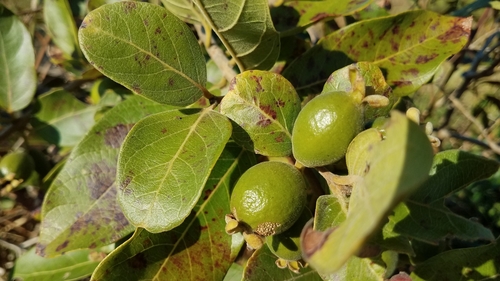
Psidium guineense Sw. can grow as a 1 to 3 meter tall shrub, or as a tree reaching up to 7 meters in height. Its bark and foliage are grayish. The leaves can grow up to 14 centimeters long and 8 centimeters wide, with stiff, oval-shaped leaf blades that sometimes have toothed edges. The underside of each leaf is very glandular, and covered in pale or reddish hairs. Flowers grow from leaf axils, either singly or in clusters of up to 3 flowers. Each flower has a white corolla, many stamens, and a fragrant scent. The fruit is firm and rounded, reaching up to 2.5 centimeters wide, with yellow skin, yellow outer pulp, and whitish inner pulp that holds many seeds. This species is native to the Americas, where its natural native range extends from Mexico to Argentina, and includes parts of the Caribbean. It has been widely introduced outside its native range, cultivated in some locations, and is naturalized in parts of India. It grows best on sunny sites with moist, fertile soils, but it tolerates a wide range of conditions and can grow in disturbed areas and poor quality soils. It cannot tolerate salinity or flooded substrates, and in Brazil it is most common in coastal areas. This plant acts as a host for the mistletoe Psittacanthus angustifolius. Its wood is hard and sturdy, and can be used as lumber to make durable items such as tool handles. Its bark contains tannin and can be used in tanning processes. The plant has several medicinal uses: in Brazil, extracts of its bark and roots are used to treat diarrhea, and in Costa Rica, leaf extracts are used to ease symptoms of the common cold. Laboratory studies have found that its extracts have some activity against methicillin-resistant Staphylococcus aureus, especially when combined with antibiotics. Identified flavonoids present in the plant include quercetin, avicularin, and guaijaverin.