About Pseudognaphalium affine (D.Don) Anderb.
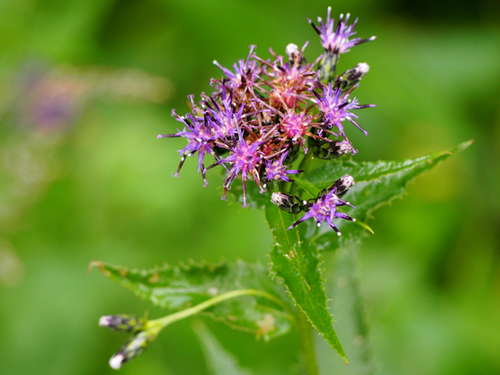
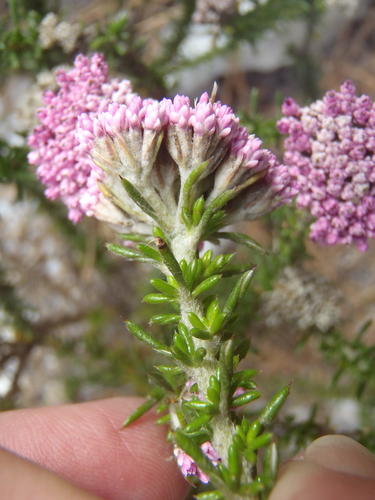
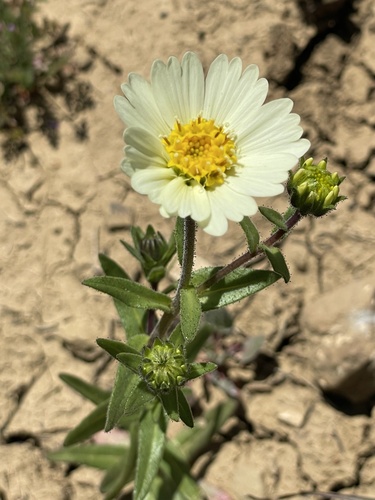
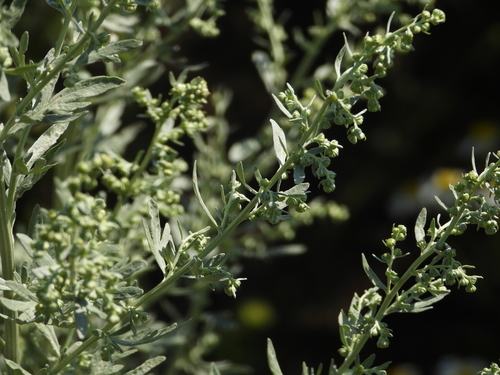
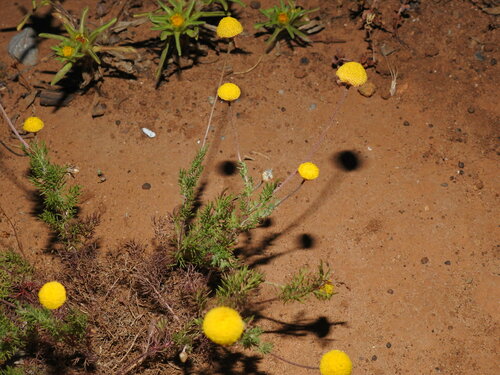
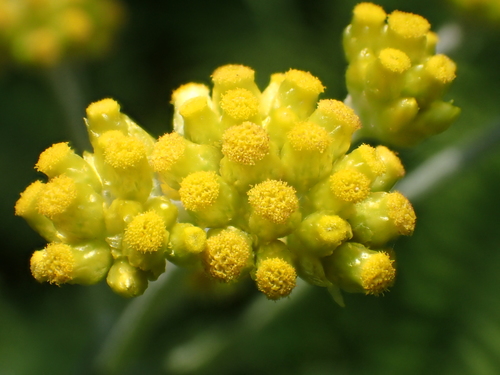
Pseudognaphalium affine is a flowering plant species in the genus Pseudognaphalium. It is found in East Asia, Southeast Asia, South Asia, Transcaucasus, and Anatolia. This biennial plant has stems ranging from 15 to 40 cm long, and its surface is covered with fine woolly hair, while the leaves are small and rounded. The flowers consist of small florets, each with petals about 2 mm long. In Mainland China and Taiwan, the plant is used to make rice-flour pastries, such as chháu-á-kóe, especially for the Qingming Festival. In Japan, it is consumed as one of the herbs during the spring Seven-Herbs Festival. Traditionally, this plant has also been employed in Traditional Chinese medicine and is part of East Asian culinary practices, particularly in sweet rice confections like Japanese Kusa mochi and Fujianese/Taiwanese chhú-khak-ké. It can be ground to impart a distinctive green color and unique flavor to noodles and fried onion rice cake. It is an ingredient in xôi khúc in Vietnam and is commonly used to treat coughs.