About Pseudocydonia sinensis (Dum.Cours.) C.K.Schneid.
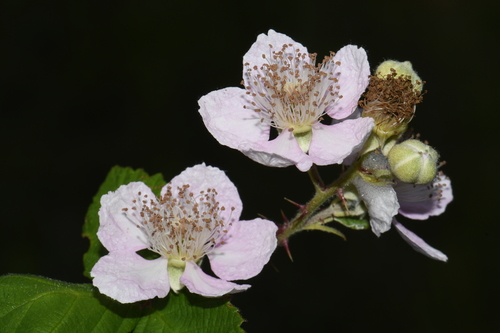
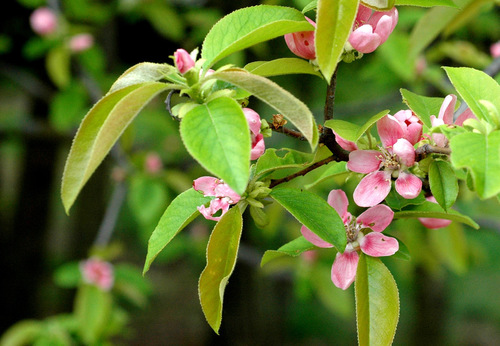
This species, Pseudocydonia sinensis (Dum.Cours.) C.K.Schneid., is a tree that grows 10 to 18 meters tall, with a dense, twiggy crown. Its leaves are alternately arranged, simple, 6 to 12 centimeters long, 3 to 6 centimeters broad, and have serrated margins. Its flowers measure 2.5 to 4 centimeters in diameter, with five pale pink petals, and flowering occurs in mid spring. Its fruit is a large ovoid pome that is 12 to 17 centimeters long and contains five carpels; when it ripens in late autumn, it releases an intense, sweet scent. The fruit of this tree is hard and astringent when unprocessed, but it softens and becomes less astringent after a period of frost through the process of bletting. The fruit can be used to make jam, similar to how common quince is used. In Korea, the fruit is used to make mogwa-cheong (preserved quince) and mogwa-cha (quince tea). It is also used in traditional Chinese medicine. Pseudocydonia sinensis is also cultivated as an ornamental tree. In Haeju, North Korea, two Chinese Quince trees planted in 1910 are designated national monuments, and they are probably the tallest specimens of the species in the country.