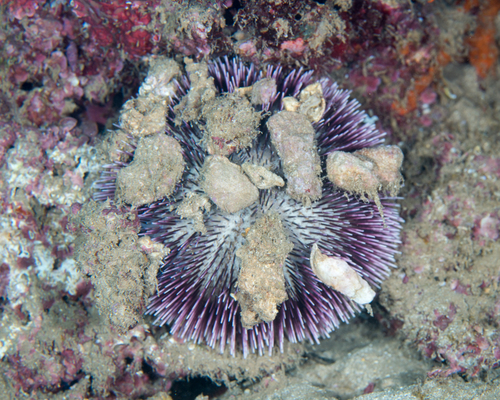
Pseudoboletia indiana (Michelin, 1862) is a animal in the Toxopneustidae family, order Camarodonta, kingdom Animalia. Not known to be toxic.

Photo of Pseudoboletia indiana (Michelin, 1862) (Pseudoboletia indiana (Michelin, 1862))
🦋 Animalia

Pseudoboletia indiana (Michelin, 1862)

Pseudoboletia indiana (Michelin, 1862)

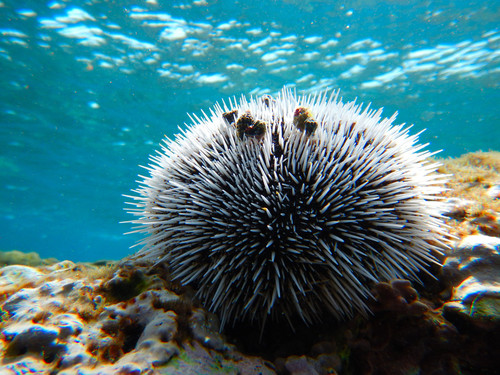
Pseudoboletia indiana, the pebble collector urchin, is a spiky marine urchin that covers itself with ocean debris.

Genus
Pseudoboletia
Order
Camarodonta
Class
Echinoidea

About Pseudoboletia indiana (Michelin, 1862)

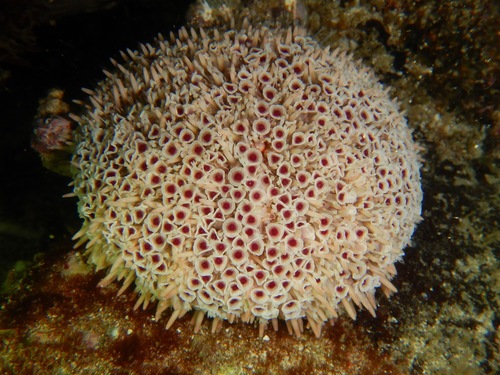
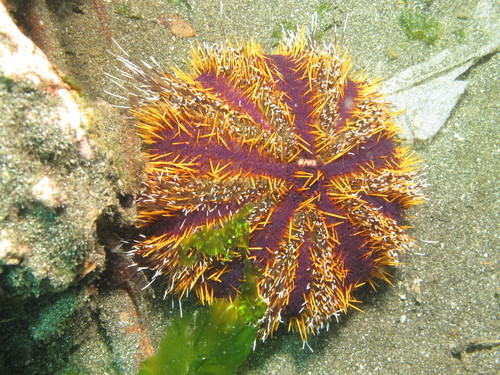
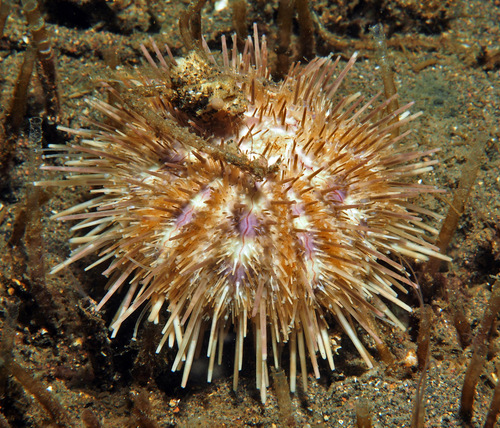
Pseudoboletia indiana, commonly called the pebble collector urchin, has a round white body covered with short spikes. The tips of these spikes may be colored white, pink, purple, or green. On average, this urchin reaches around 5 inches (130 mm) in diameter. This species can be found in Hawaii, New Zealand, Easter Island, and Madagascar. It lives on the ocean floor at depths of up to 100 m (330 ft). The urchin uses ocean debris including pebbles, broken coral fragments, and seaweed to cover itself for camouflage. It also provides protection for smaller marine organisms, such as the miner’s urchin shrimp (Gnathophylloides mineri). At night, the urchin leaves behind the pebbles and coral it uses for camouflage and roams across the ocean floor.
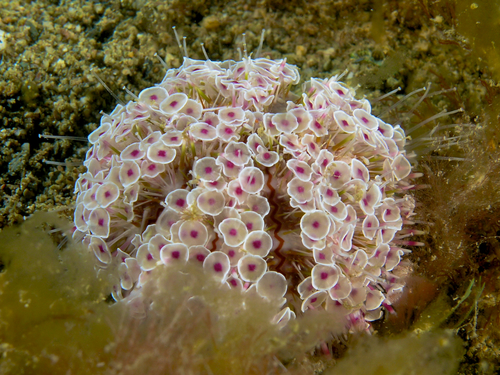
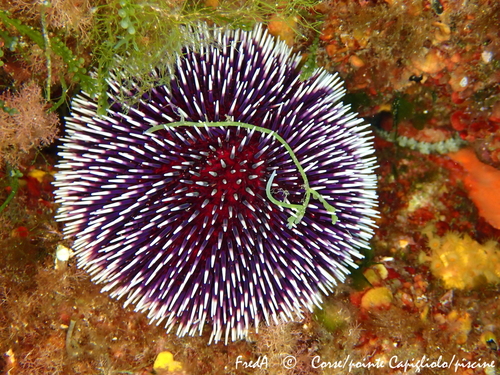
Photo: (c) David R, some rights reserved (CC BY-NC), uploaded by David R · cc-by-nc

Taxonomy

Animalia Echinodermata Echinoidea Camarodonta Toxopneustidae Pseudoboletia

More from Toxopneustidae

Sources: GBIF, iNaturalist, Wikipedia, NCBI Taxonomy · Disclaimer

Identify Pseudoboletia indiana (Michelin, 1862) instantly — even offline

iNature uses on-device AI to identify plants, animals, fungi and more. No internet needed.

Download iNature — Free

Start Exploring Nature Today

Download iNature for free. 10 identifications on us. No account needed. No credit card required.

Download Free on App Store