About Pseudaspis cana (Linnaeus, 1758)
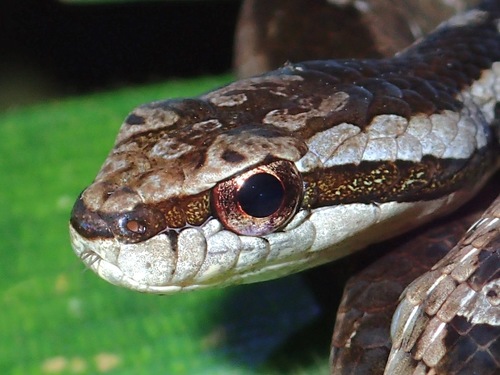
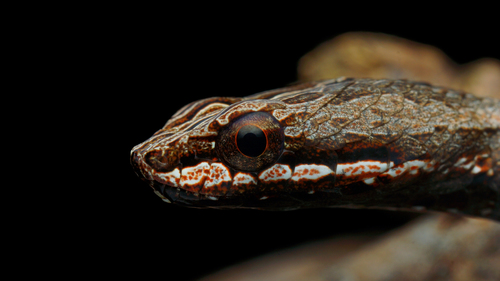
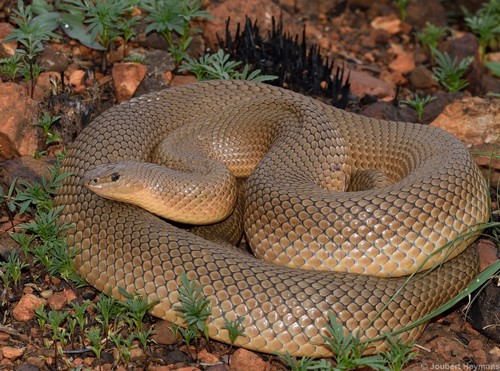
Pseudaspis cana, commonly known as the mole snake, can reach a total length of 2 meters (6 feet 7 inches) when fully grown, including the tail. This species is characterized by a small head, pointed snout, and a firm, tubular-shaped body. Like most members of the Lamprophiidae family, the mole snake is not venomous. Mature mole snakes usually have a solid-colored body, which can range from yellow and brown to grey, and occasionally solid black. Juvenile mole snakes have dark markings and spots that fade gradually as they age. Body color may vary by geographic location: most southern specimens are black, while those from the northern part of the species' range are brown, reddish-brown, grey, or yellow. The mole snake's native range covers most of southern Africa, extending from Angola in the north to Kenya in the east and south to South Africa. It is common within Kalahari Gemsbok National Park. This snake occupies abandoned burrows dug by other animals, and lives in a wide variety of habitats including South African Cape scrublands, Highveld plateaux, grasslands, mountainous regions, and desert areas. The mole snake is viviparous, meaning it gives birth to live young. Mating occurs in late spring (October). Females typically give birth to between 25 and 50 young per litter, though litters as large as 95 individuals have been recorded. Newborn mole snakes measure 20 to 30 centimeters in length at birth.