About Psammophylax rhombeatus (Linnaeus, 1758)
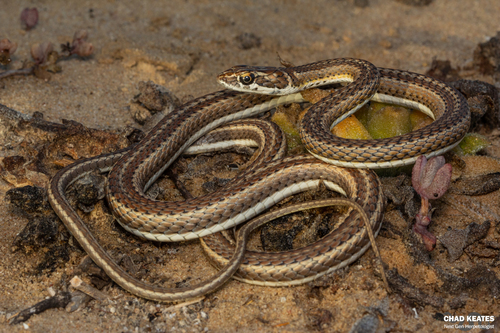
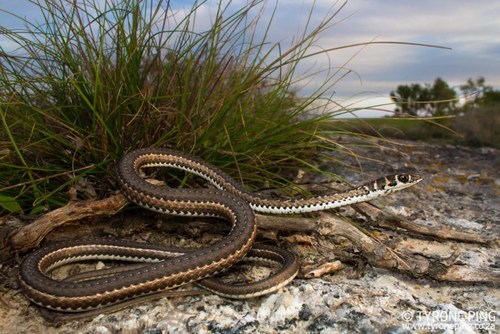
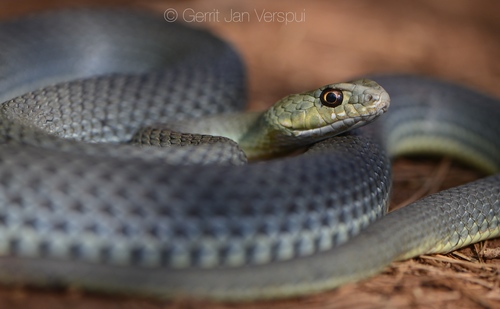
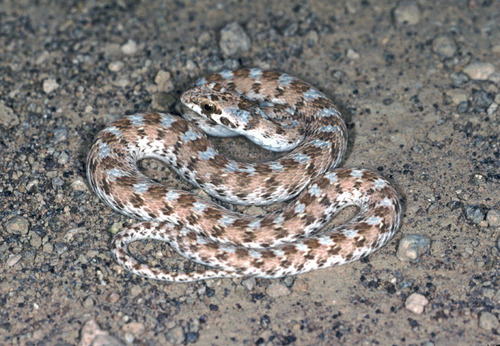
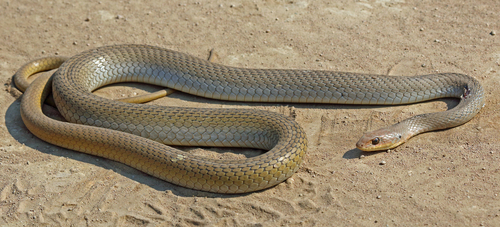
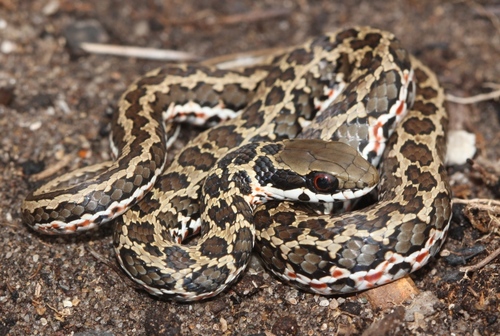
Psammophylax rhombeatus (Linnaeus, 1758) has body colour ranging from grey to various shades of brown. Following its name, the back of this species is patterned with rhombuses, which occur in a range of different patterns and colours. The ventral body colour of this snake ranges from yellow to white. This species is typically 45 to 85 centimetres in length, though recorded measurements have reached up to 140 centimetres. Like its close relatives in the genus Psammophylax, P. rhombeatus lays eggs and actively hunts for prey, which are behaviours typical of whipsnakes. However, unlike slender-bodied whipsnakes, Psammophylax has a more robust build. This difference in body shape likely reflects how each species has adapted to its specific environment and lifestyle. P. rhombeatus is an African grass snake that belongs to the family Lamprophiidae, a group of snakes that are typically small to medium in size. This species inhabits moist savanna and grassland biomes, and is described as terrestrial, diurnal, and an active forager. It is adapted to life on the ground, and actively hunts for prey during the daytime. Its foraging behaviour relies on actively searching for food instead of using ambush tactics, which lets it extensively explore its environment to find prey including small mammals, birds, and reptiles. Its distribution extends across Western Cape, Kwazulu-Natal, Lesotho, Free State, Eswatini, northwards through Northern Cape to Namibia and southern Angola in the west, and to South Africa's Limpopo province in the east. For reproduction, P. rhombeatus, also called the rhombic skaapsteker, falls between oviparity and ovoviviparity, as it lays eggs that are already partly incubated. The breeding season usually takes place during the summer months. A female can lay a clutch of 8 to 30 eggs. Females typically deposit eggs in concealed locations such as under rocks or in leaf litter, to protect the eggs from predators and harsh environmental conditions. During incubation, the female displays protective behaviour towards her eggs, and may coil around the clutch to provide warmth and protection until hatching. This maternal care is critical for the survival of developing embryos. The incubation period varies, but generally lasts from several weeks to a couple of months, depending on environmental factors such as temperature and humidity. The lifespan of Psammophylax rhombeatus in the wild has not been definitively confirmed, but like many small to medium-sized snakes, it likely lives for at least 10 years or more. Survival and reproductive success for this species are shaped by factors including habitat availability, prey availability, and interactions with other species in its ecosystem.