About Protium heptaphyllum (Aubl.) Marchand
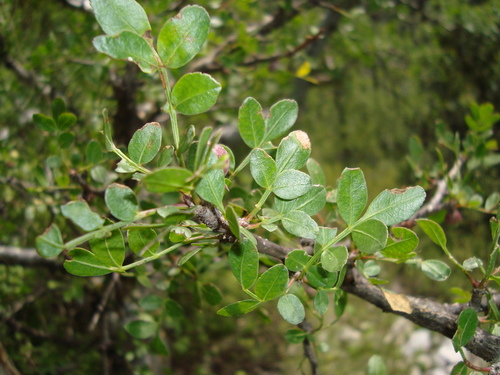
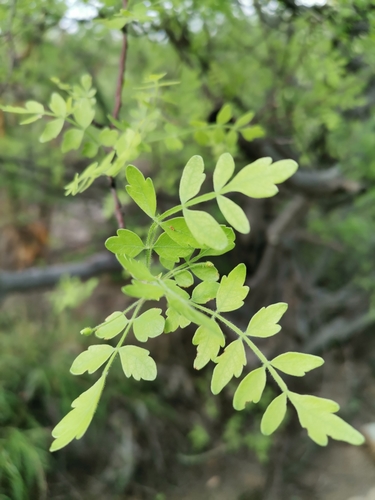
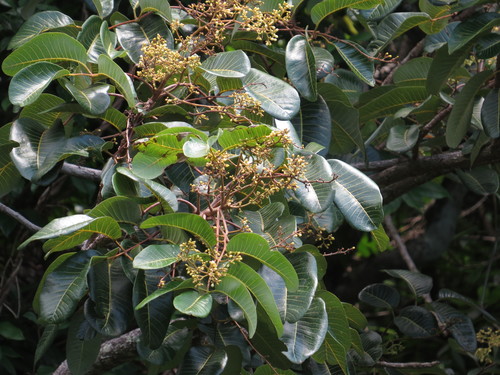
Protium heptaphyllum (Aubl.) Marchand is a large evergreen woody tree, reaching 10 to 20 meters (32 to 65 feet) in height. This species grows and flourishes in the tropical rainforest biome of Amazonia, where it occurs on wet sandy soils. It is classified as a subtropical plant that can tolerate temperatures as low as 4 degrees Celsius. Seed dispersal for this tree is completed by animals, most notably leaf-cutting ants. Leaf-cutting ants carry plant leaves back to the fungus they share a symbiotic relationship with; this process disperses the tree’s seeds, benefiting both the plant and the ants’ symbiosis with their fungus. These ants also act as pollinators for Protium heptaphyllum. While confirmed to support both seed dispersal and pollination, the full relationship between this tree species and leaf-cutting ants is not yet fully understood by researchers.
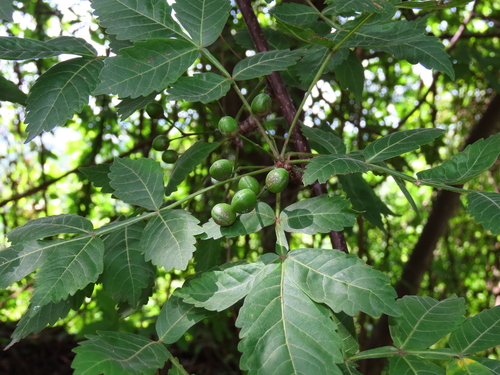
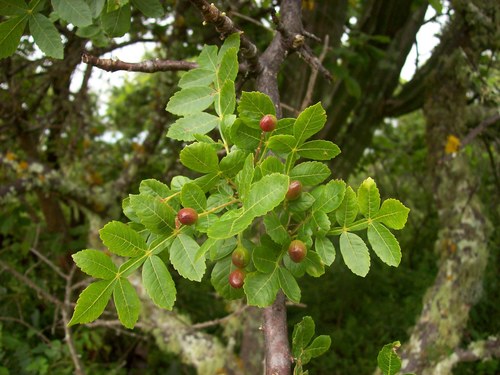
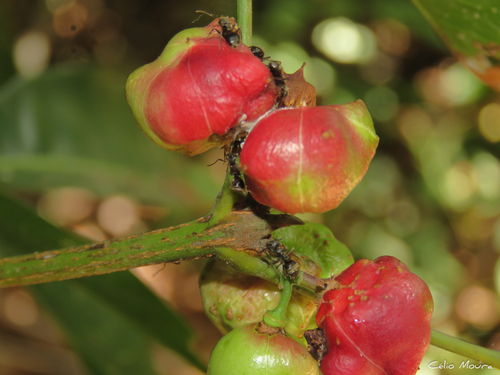
Protium heptaphyllum is cultivated across Brazil, because it adapts well to both sand and clay soils. It cannot be grown in swampy soils or in river areas that experience regular flooding. Fruiting occurs between January and March each year. Its fruits have sweet, refreshing pulp that can be eaten fresh. The tree can be planted in squares and large gardens to provide ample shade, or used in permanent preservation revegetation projects to supply food for birds and monkeys. The resin of Protium heptaphyllum has both medicinal and insecticidal properties, and chemicals from its leaf resin can be used to produce essential oils. Its wood is reddish in color, and is used for civil construction, flooring, carpentry, and joinery. Its dense canopy gives the tree ornamental value, suitable for planting in both urban and rural areas.