About Prostheclina pallida Keyserling, 1882
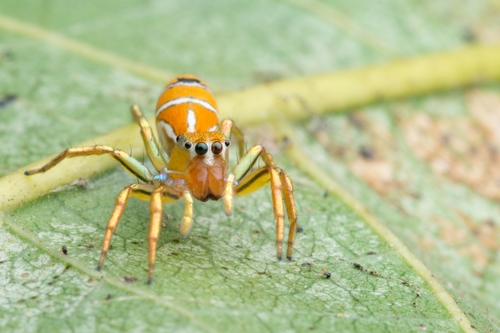
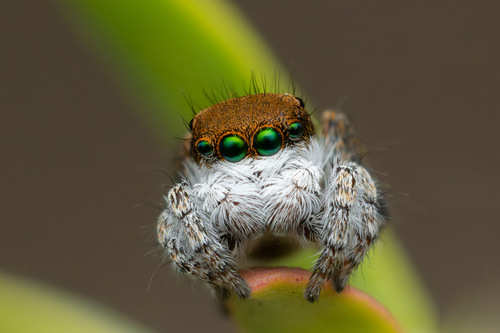
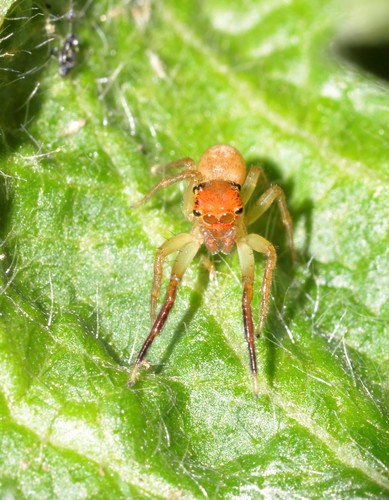
This species is Prostheclina pallida, first described by Keyserling in 1882. Males reach an approximate body length of 4.1 mm, while females are somewhat larger at around 4.4 mm, with an abdomen that is longer relative to the carapace. Both sexes have a yellow cephalothorax, and males have more prominent orange markings on this body region. The dorsal (upper) surface of the abdomen is pale yellow, marked with a black pattern. The underside of both the cephalothorax and the abdomen is yellow. The legs and pedipalps are yellow, with the exception of parts of the first leg, which are orange. The male palpal bulb has a simpler arrangement of lobes on the tegulum compared to other species in the genus Prostheclina. Prostheclina pallida is a species endemic to Australia, and has been recorded from southern Queensland, inland Victoria, and South Australia. It occurs at lower altitudes, found on both sides of the Great Dividing Range. The entire Prostheclina genus is only found in relatively less dry areas, typically where annual rainfall exceeds 600 mm.