About Prosopis cineraria (L.) Druce
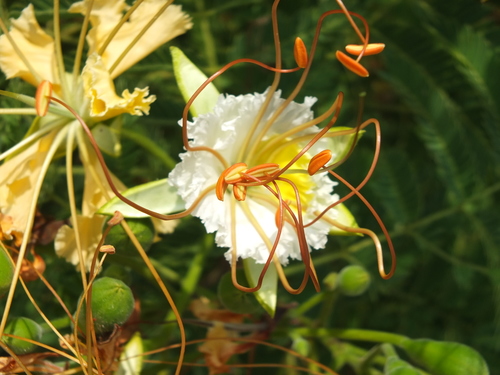
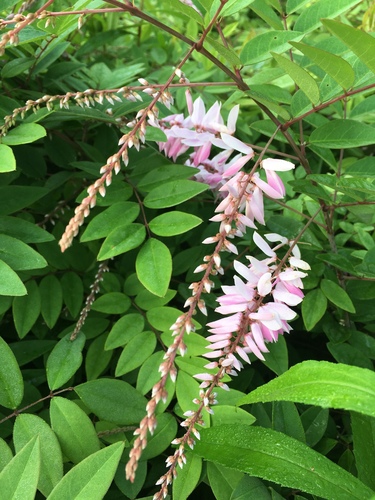
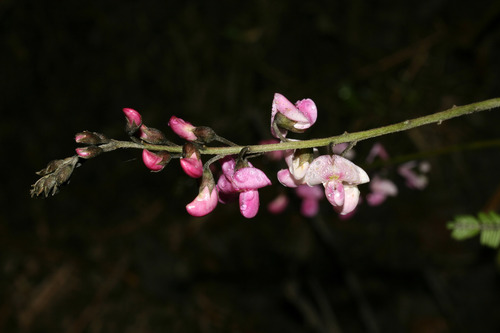
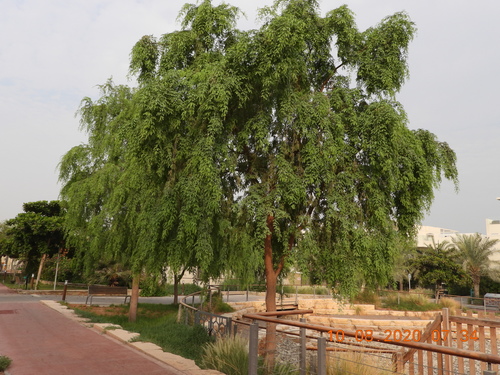
Prosopis cineraria (L.) Druce is a small tree that grows between 3 and 5 meters (9.8 to 16.4 feet) tall. Its leaves are bipinnate, bearing 7 to 14 leaflets on each of 1 to 3 pinnae. Branches have thorns along their internodes. This species produces small, creamy-yellow flowers, which develop into seed-containing pods. It grows in extremely arid environments, tolerating annual rainfall as low as 15 centimeters (5.9 inches), and its presence indicates a deep water table. Like some other species in the Prosopis genus, P. cineraria can tolerate highly alkaline and saline conditions. This tree is often confused with the visually similar Dichrostachys cinerea, also called the Chinese lantern tree. The two can be distinguished by their flowers: the Chinese lantern tree has bicolored pink-yellow flowers, while P. cineraria (commonly called the true Shami tree) only has yellow bristled flowers, a trait shared with most other mesquites. In the Thar Desert, the pods of P. cineraria, called singhri or sangri, are used in many varieties of bhaaji and kadhi, and form part of the region's traditional cuisine. In medical use, extract taken from unripe fruit pods of the plant was found to reduce artificially induced testes damage in an animal model. Leaves of this tree can improve mouth ulcers: chewing the leaves for a few minutes to release their juice into the mouth relieves ulcer symptoms, significantly reducing swelling. The released juice is spat out rather than swallowed after this process.