About Prosopis chilensis (Molina) Stuntz
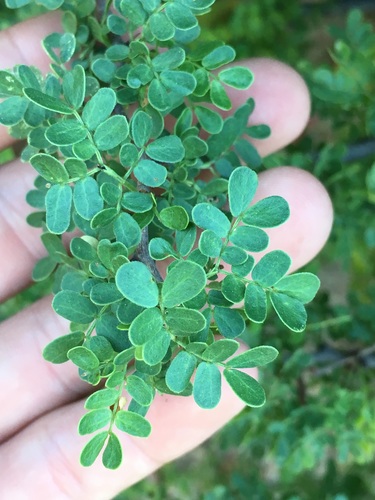
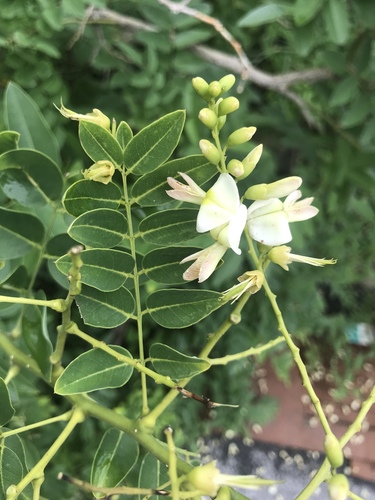
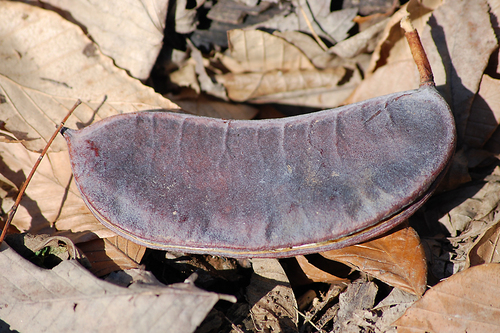
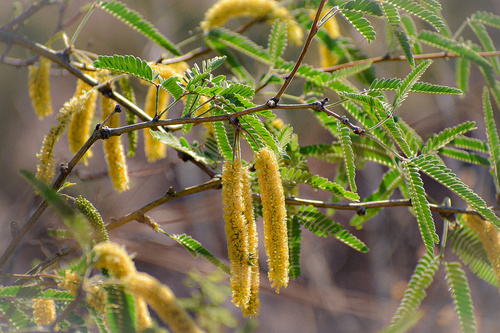
Prosopis chilensis (Molina) Stuntz, also referred to as Neltuma chilensis, is a medium-sized deciduous tree that grows to around 14 m (46 ft) tall. Its stout, gnarled trunk can reach 1 metre (1 yard) in diameter. The thick, pale brown bark features cracks and vertical fissures. The leaves are pinnate, growing up to 20 cm (8 in) long, with 12 to 20 leaflets arranged in pairs. Each leaflet is oval with a smooth margin and a yellowish green upper surface. A pair of strong, curved thorns grows at the location of each leaf whorl. Flowers grow in dense axillary spikes; each individual flower has five sepals, five petals, and ten stamens. The fruits are twisted or coiled pods up to 15 cm (6 in) long, with several coffee-coloured seeds inside. N. chilensis flowers between October and December, and its fruits ripen between February and April. Neltuma chilensis is native to Peru, Bolivia, eastern Argentina, and central Chile, where it grows on light soils in arid regions. It is highly drought-resistant and likely fixes nitrogen. It has been introduced into Hawaii, where it is now commonly found growing in thickets behind beaches. Neltuma chilensis is used as a shade tree and for firewood. Its leaves are used as fodder for livestock, while its pods and seeds have high nutritive value and are ground to make animal feed. Honey bees and several other bee species pollinate its flowers.