About Prinia subflava (Gmelin, 1789)
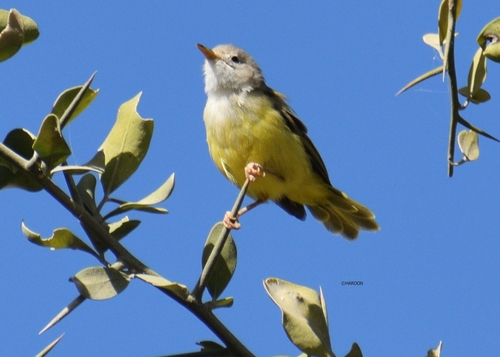
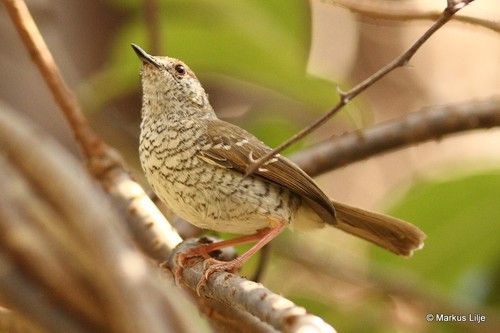
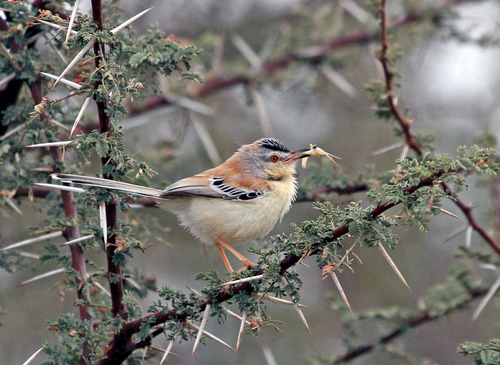
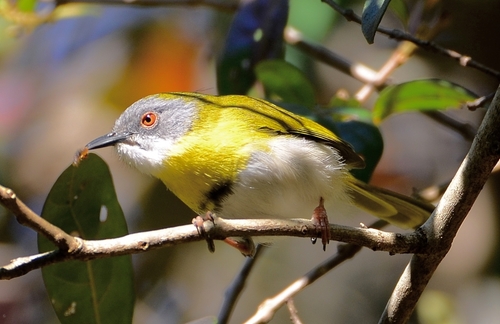
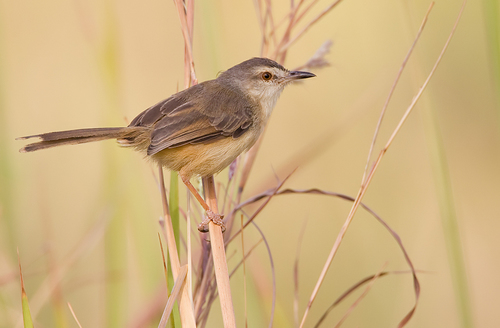
This species, commonly known as the tawny-flanked prinia, has a scientific name of Prinia subflava (Gmelin, 1789). Adult tawny-flanked prinias measure 11–12 cm (4.3–4.7 in) in length. They have a long, narrow, graduated tail that is often held erect or waved from side to side, and a fairly long, slender bill. Their upperparts are grey-brown, with rufous-brown edges along the flight feathers and a rufous tinge on the rump. The throat and breast are whitish, while the flanks and vent are warm buff. A whitish stripe runs over the eye, and the lores are dark. Each tail feather has a white tip and a dark subterminal band. Males and females look identical. Non-breeding individuals have longer tails than breeding individuals. Juveniles have pale yellow underparts and a yellowish bill. Many subspecies of the tawny-flanked prinia are currently recognized. The species' call is short, wheezy, and rapidly repeated. Its song is a monotonous series of shrill notes, and males often sing from an exposed perch. The pale prinia (P. somalica), found in North-east Africa, is similar in appearance to the tawny-flanked prinia but is paler and greyer, with whitish flanks, and occupies drier, more open habitats. The river prinia (P. fluviatilis) of West Africa is also paler and greyer than the tawny-flanked prinia, has a longer tail, and is restricted to waterside vegetation. Ten subspecies of tawny-flanked prinia are distributed across most of sub-Saharan Africa, excluding the region's driest and wettest areas. The species is absent from most of the Congo Basin, southern Namibia, south-west Botswana, and the western half of South Africa. It lives among shrubs and grass in a wide range of habitats, including woodland, savanna, and cultivated areas. It adapts well to man-made habitats and is not considered a threatened species.