About Pouteria campechiana (Kunth) Baehni
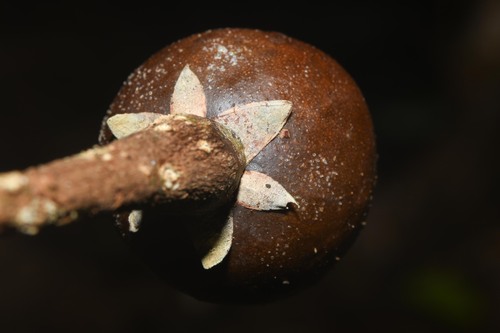
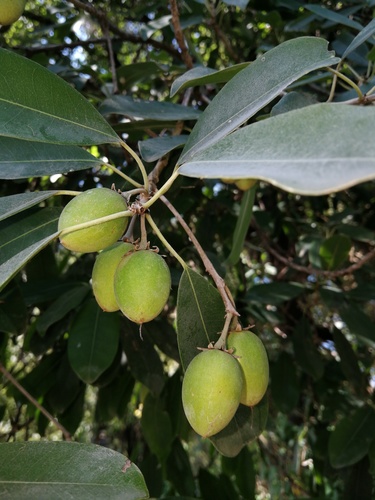
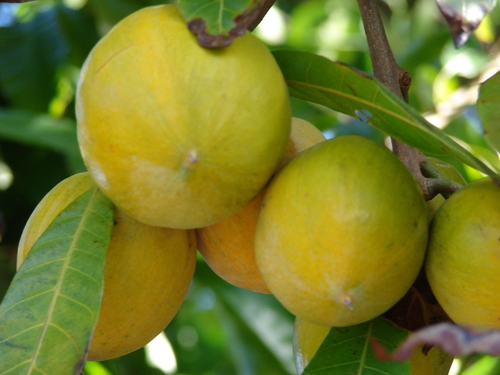
Fruit characteristics of Pouteria campechiana (commonly called canistel or eggfruit) vary widely in shape and size between cultivars. Selected high-quality cultivars consistently produce large, ovate fruit with glossy skin that weighs over 400 g (14 oz). The flesh is generally somewhat pasty, but the best varieties have a creamy, mousse-like texture. Its flavor is rich, and similar to egg custard. Fruits typically hold one to six large, brown seeds. Canistel is a climacteric fruit, meaning it continues to ripen after being harvested. Fully mature fruit develops an intense yellow skin color. As it reaches full ripeness, it softens and drops from the tree. Insects and birds tend to avoid this fruit, which may be due to its astringent properties. Humans can also detect a bitter taste, though this bitterness decreases greatly as the fruit overripens. If mature fruits are harvested while they are still hard, they may not ripen properly: they may stay astringent and fail to develop their signature texture similar to egg yolk. Like its close relative lúcuma, canistel can be eaten fresh, and has a texture similar to the yolk of a hard-boiled egg. Ripe canistel fruit can be used to make jam, marmalade, pancakes, and flour. Ripe flesh can be blended with milk and other ingredients to make a shake, and when pureed, it is sometimes added to custards or used to make ice cream. It is also the main ingredient in a milkshake called "eggfruit nog". The wood of the canistel tree is occasionally used for construction in areas where the tree is common, especially for planks or rafters. Within its native range, the tree has been a source of latex used to adulterate chicle.