About Portunus armatus (A.Milne-Edwards, 1861)
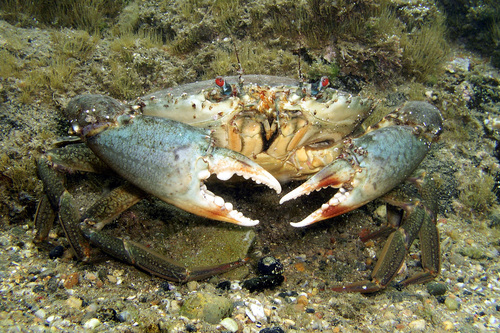
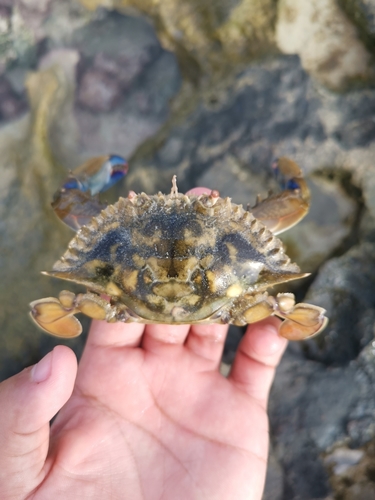
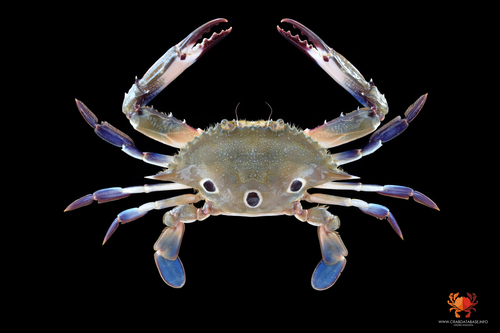
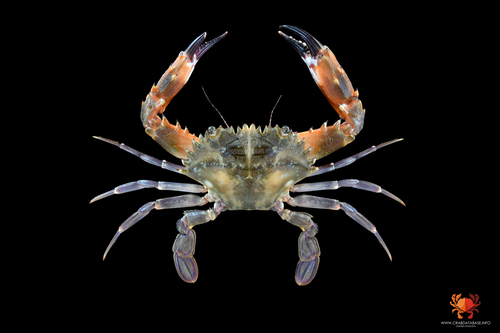
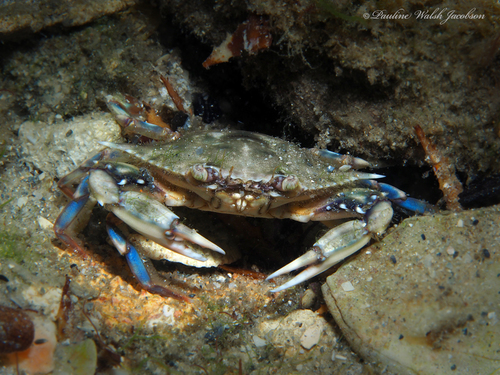
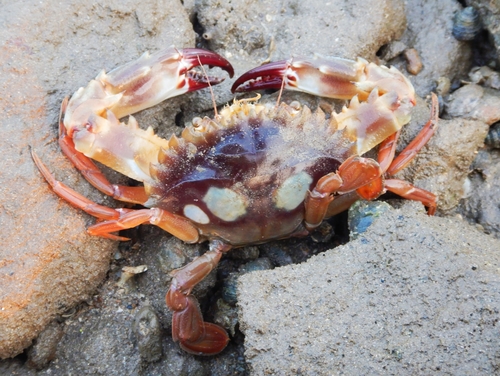
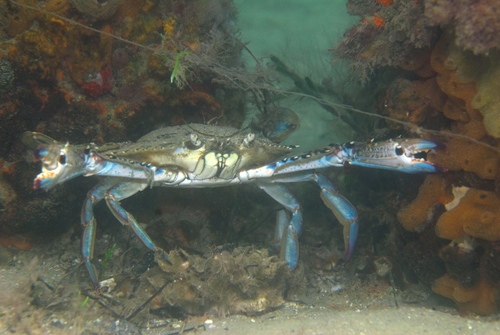
Portunus armatus, also known by the synonym Neptunus armatus, is a species of swimming crab crustacean that belongs to the family Portunidae. Its distribution ranges from Australia eastward to New Caledonia, and its range overlaps with the closely related species Portunus pelagicus in Australia's Northern Territory. Common names for this species include blue swimmer crab, Blue manna, Blueys, and Jennies, the last name used specifically for females. This species was originally classified as a geographic variation of Portunus pelagicus. In 2010, a review of the Portunus pelagicus species group that used DNA data and physical characteristics including measurements recognized four separate species: Portunus pelagicus, Portunus armatus, Portunus reticulatis, and Portunus segnis. Portunus armatus is an important crab species for both commercial and recreational fishing. While the species is resilient to overfishing, local population collapses have occurred in areas subject to heavy fishing combined with adverse environmental conditions. These crabs live in waters from the intertidal zone down to 50 meters depth. They migrate from shallower water to deeper water during winter, and individuals living in estuaries will move out into the ocean in response to fresh water input from winter rains. They prefer habitats with flat muddy or sandy bottoms that contain seagrass or algae. Individuals reach maturity in one year and have a total lifespan of 2 to 3 years. The maximum measured carapace width of this species is around 200mm to 250mm, and maximum claw span can reach up to 800mm. Body coloration is variable across the species. Males generally have a dark blue-green carapace covered with spots, with banded patterning at the front of the carapace. Females share this general patterning but have an overall brownish base color, with deep brownish-red claw tips. On each side of the carapace behind the eye, there are 9 total teeth or spines, including one long spine positioned at the outer edge. The last walking limb ends in a flat paddle shape, adapted for swimming. Their diet is made up mostly of small fish, other crustaceans, molluscs, and worms, with algae and seagrass consumed in smaller amounts.