About Polytrichum formosum Hedw.
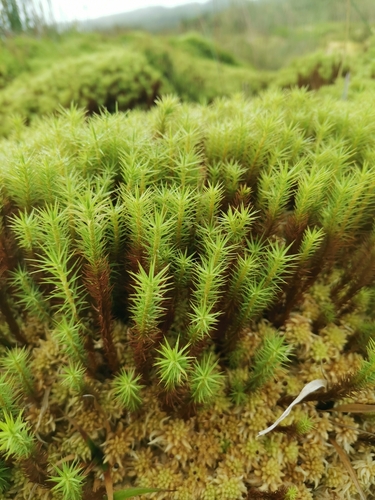
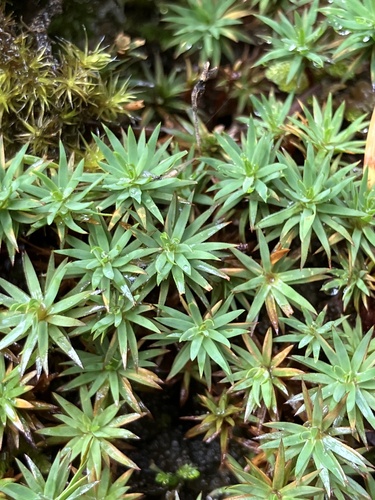
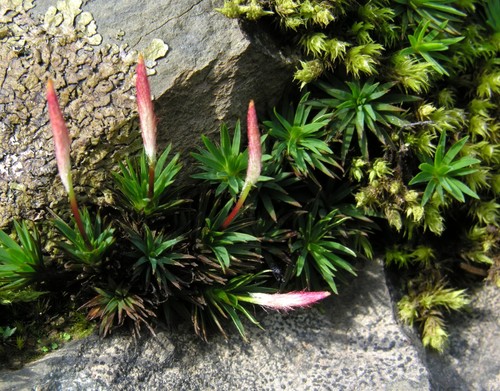
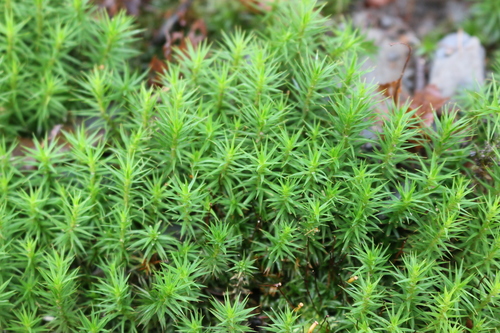
Polytrichastrum formosum, commonly called the bank haircap moss, is a moss species in the family Polytrichaceae. It has a cosmopolitan distribution, occurring mostly in temperate latitudes of the Northern Hemisphere, and is especially dominant across Europe and North America. It has also been recorded in India, China, Nepal, Japan, Algeria, Australia, New Zealand, Russia, Turkey, Syria, and Atlantic islands such as Iceland. This species was previously classified as Polytrichum formosum, but was reclassified to Polytrichastrum formosum based on distinct sporangial features. Recent molecular studies have proposed moving it back to its original genus Polytrichum, but bryologists have not yet reached a consensus on this reclassification. Polytrichastrum formosum most commonly grows on shaded, nutrient-poor soil and humus in damp coniferous forests and cool temperate rainforests. In Europe, where it is most frequent, it can also be found growing in grasslands, lowland heaths, acidic moorlands, rocky slopes, and on old buildings. Polytrichastrum formosum is sexually dioicous, which means male and female reproductive structures develop on separate individual plants. Like all members of the Polytrichaceae family, it is an acrocarpous (cushion) moss, with reproductive structures produced at the tip of the gametophyte stem. The perichaetial leaves that surround the female reproductive structures (archegonia) look similar to other stem leaves, but are longer. The male reproductive structures (antheridia) sit at the apex of male gametophytes, inside a cup-shaped structure formed by modified stem leaves called perigonial leaves. Sperm is produced inside antheridia through mitosis. When sperm are mature, raindrops splashing onto the cup release the sperm from the antheridia. Sperm can disperse up to one meter away from the male plant; if a sperm successfully reaches an archegonium, it will fertilize the egg, which then develops into a diploid sporophyte. Asexual reproduction is not widespread in P. formosum, but it occurs at a local scale through vegetative proliferation of genets.