About Polystichum setiferum (Forssk.) T.Moore ex Woyn.
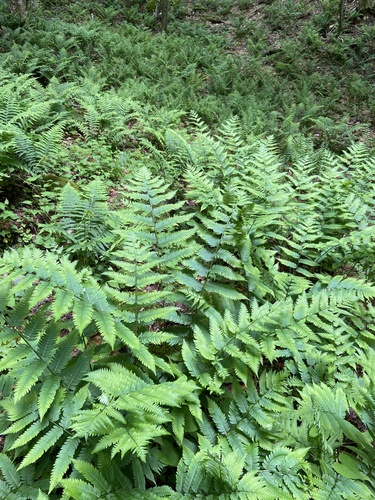
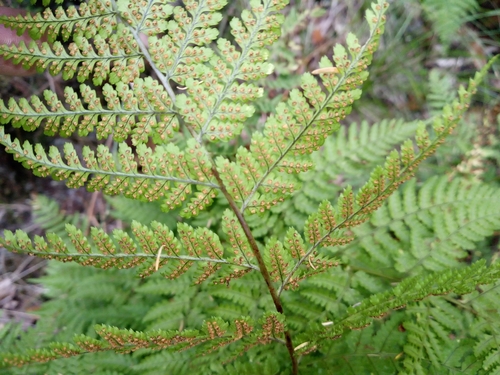
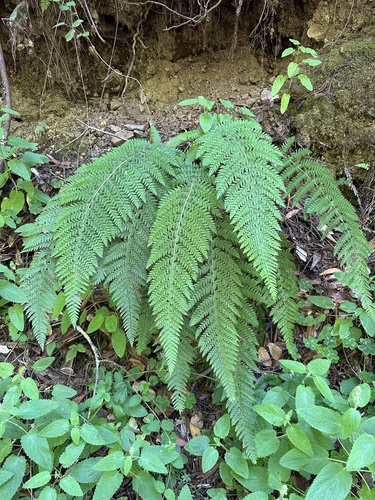
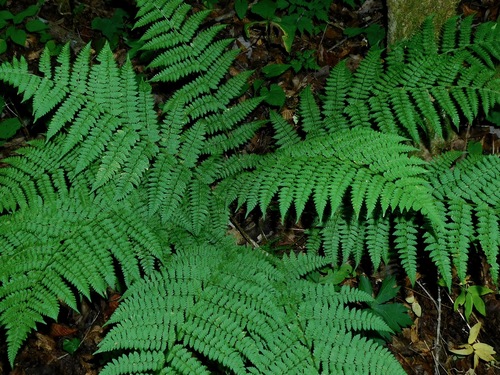
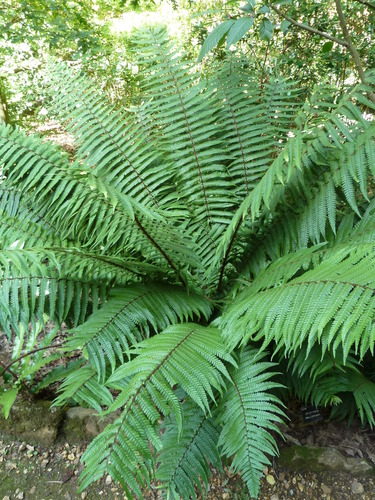
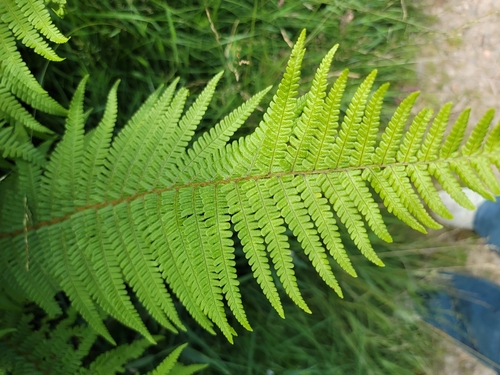
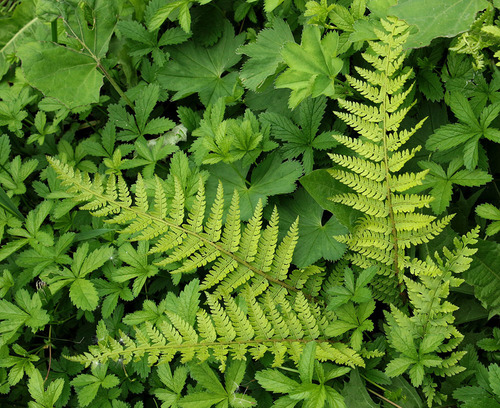
This fern species is known scientifically as Polystichum setiferum (Forssk.) T.Moore ex Woyn. Mature plants typically produce four to ten bright green fronds, each measuring 30–120 cm (12–47 in) long, and these fronds usually droop downslope. The fronds have a soft texture and are bipinnate (small, young plants only have single-pinnate fronds), with pinnae arranged opposite each other on the stalk. Each individual pinna is 4–14 cm (2–6 in) long, with a large upward-pointing pinnule at its base; other pinnules decrease in size toward the tip of the pinna, and all pinnules have softly bristly tips. Individual fronds stay lush and fresh-looking throughout the growing season, have a lifespan of nine to fifteen months, and remain attached to the rhizome even after withering. Round sori grow in two rows on either side of the midrib of each pinnule. Each sorus is covered by a centrally attached, umbrella-like indusium with fringed edges, and produces light yellow spores. Polystichum setiferum is most abundant in Ireland, southwestern Great Britain, western France, and northwest Iberia, where it thrives with the combination of mild winters and moist summers. It also occurs more locally as far north as northern Scotland and as far east as the Crimea and Turkey; in the Mediterranean region, it usually grows at high altitudes. It grows in woodlands, often (but not always) on steep slopes. Polystichum setiferum is frequently cultivated as an ornamental garden plant. Many cultivars exist: over 300 cultivars have been described, though most are no longer in cultivation or are not considered sufficiently distinct to receive an individual name. The following cultivars of Polystichum setiferum have earned the Royal Horticultural Society's Award of Garden Merit: Divisilobum Group, 'Divisilobum Densum', and 'Divisilobum Iveryanum'.