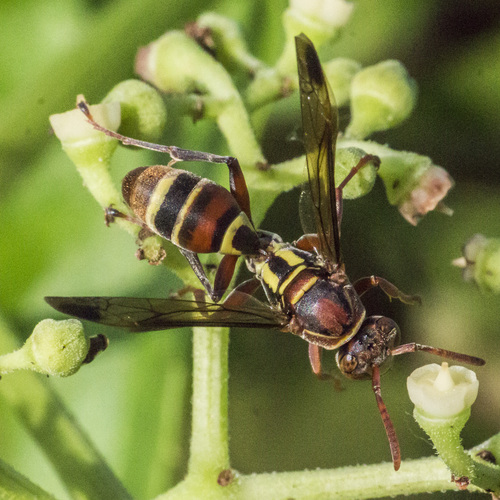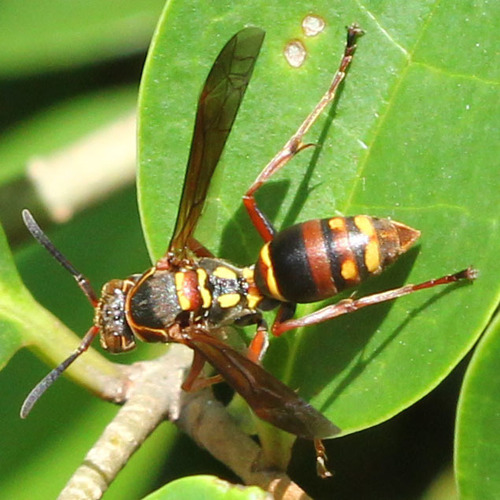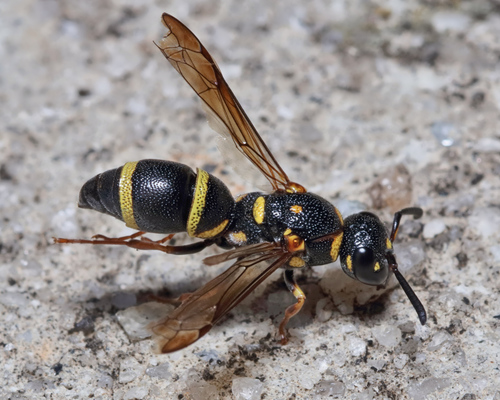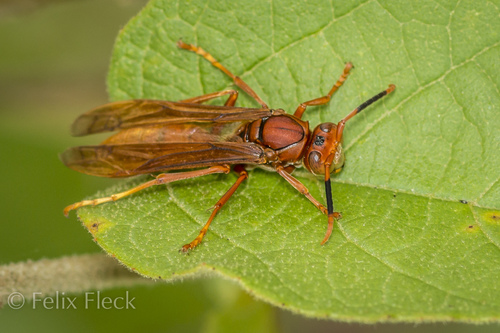
About Polybia emaciata Lucas, 1879
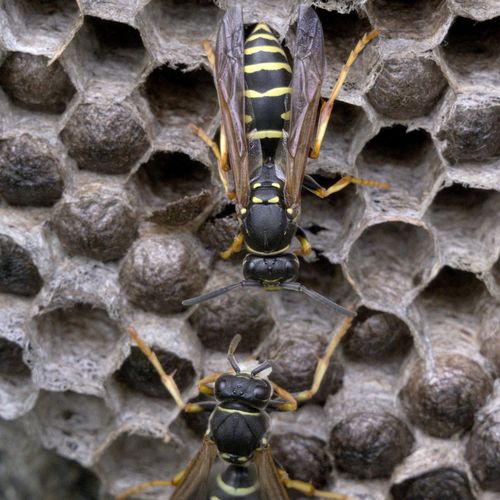
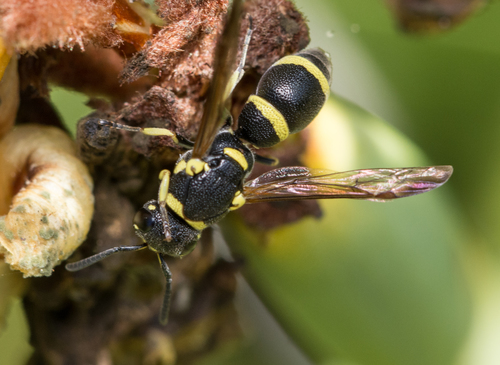
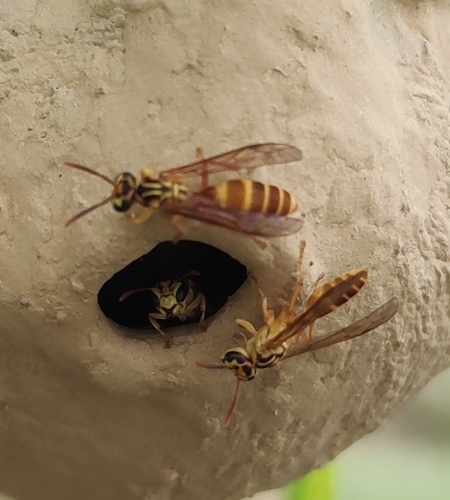
Polybia emaciata Lucas, 1879 shares many morphological features with Polybia singularis, another neotropical wasp species. The key trait that distinguishes P. emaciata from P. singularis is not its physical appearance, but its nesting structure. P. emaciata nests are well known for their closed pear shape, with a single circular opening located at the bottom of the nest. This wasp species mainly lives in tropical climate regions of South America, where fruit and prey resources are abundant. It has been recorded across multiple South American countries, including Colombia, Venezuela, Brazil, and Argentina. Nests are most often constructed on the branches of plants and trees, in areas near pastures and fruit crops. Nest construction requires a large amount of energy for this species, so they prefer to build nests in sites with easy access to abundant resources. Polybia emaciata is a fairly common species, and it has been widely used in research on eusocial wasps.