Poisonous & Toxic Species
Never touch, taste, or consume any species you cannot positively identify. This guide is for educational purposes only. When in doubt, consult a local expert. Use the iNature app for quick AI-powered identification in the field.
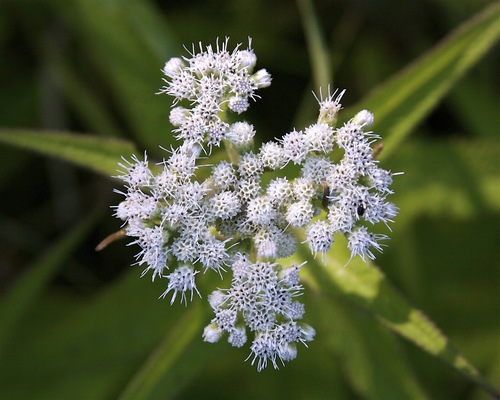
white snakeroot
Ageratina altissima (L.) R.M.King & H.Rob.
Ageratina altissima, commonly white snakeroot, is a toxic North American plant with a cultivated garden variety.
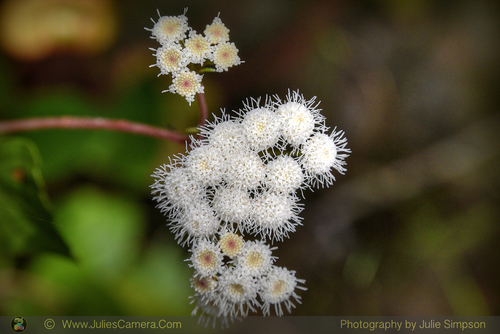
mist flower
Ageratina riparia (Regel) R.M.King & H.Rob.
Ageratina riparia, or mistflower, is a Mexican perennial herb now invasive worldwide, with ornamental and potential medicinal uses.
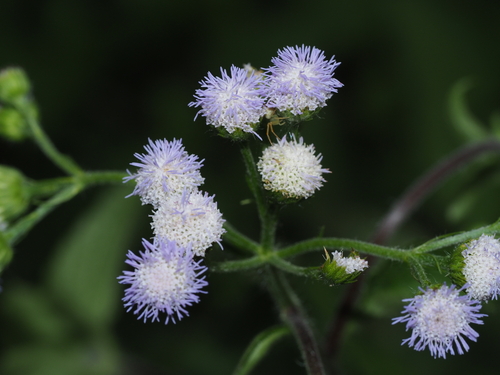
billygoat weed
Ageratum conyzoides L.
Ageratum conyzoides L. is an invasive tropical American herb, toxic when ingested, and used in traditional medicine and as a pesticide.
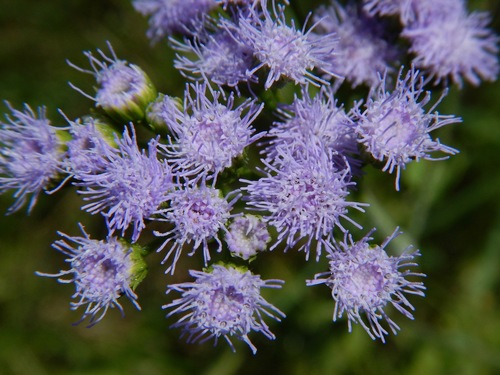
bluemink
Ageratum houstonianum Mill.
Ageratum houstonianum Mill. is a Central American ornamental flowering plant that is invasive elsewhere, toxic to grazing animals, and attracts butterflies.
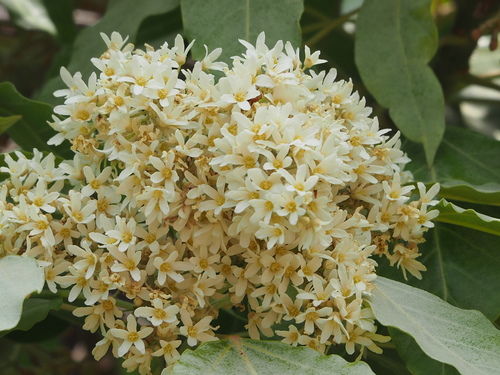
Candlenut
Aleurites moluccanus (L.) Willd.
Aleurites moluccanus, the candlenut tree, is a widely distributed tropical tree with many documented human uses and mild raw seed toxicity.
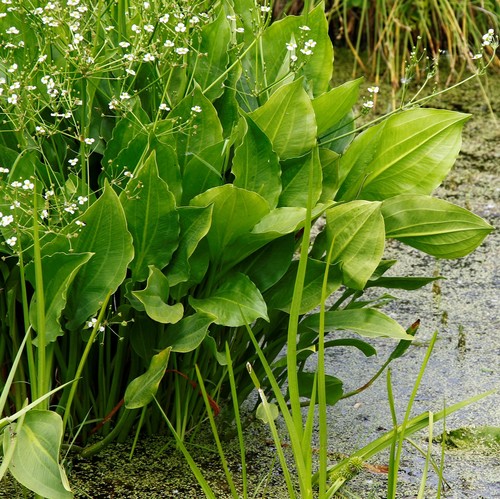
European Water-plantain
Alisma plantago-aquatica L.
Alisma plantago-aquatica is a widespread aquatic flowering plant with edible roots and reported medicinal uses.
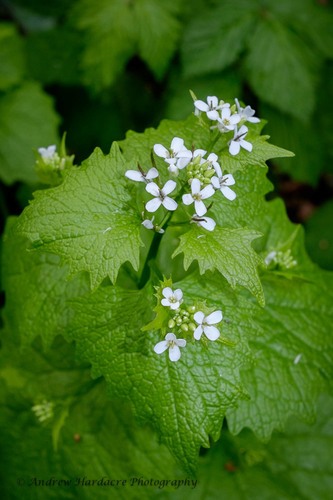
garlic mustard
Alliaria petiolata (M.Bieb.) Cavara & Grande
Alliaria petiolata, garlic mustard, is an herbaceous biennial plant with a long history of culinary and medicinal use in Europe.
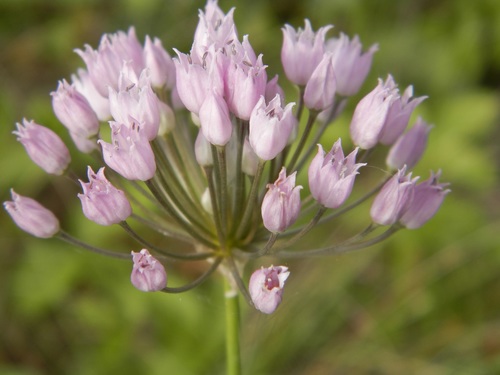
Mouse Garlic
Allium angulosum L.
Allium angulosum (mouse garlic) is an edible perennial cultivated as ornamental and kitchen herb, native to central Europe and northern Asia.
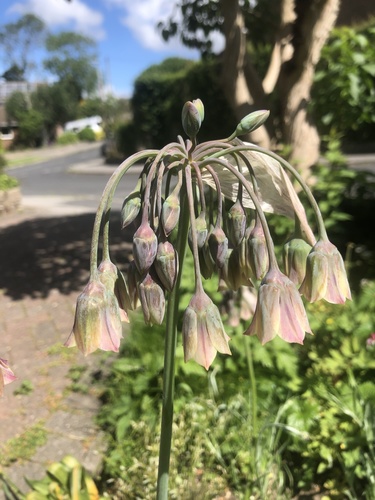
Honey Garlic
Allium siculum Ucria
Allium siculum Ucria is an ornamental onion that may be toxic to cats and dogs, native to Southern Europe and Western Asia.
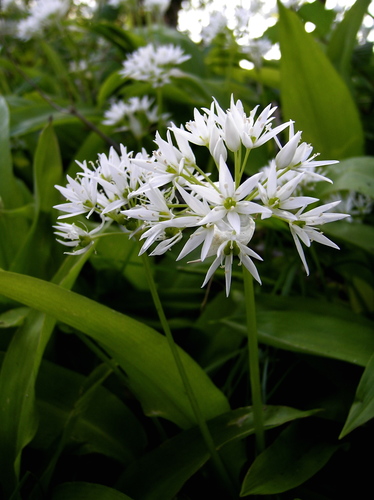
Ramsons
Allium ursinum L.
Allium ursinum, also known as wild garlic, is an edible bulbous perennial native to Eurasian moist woodlands with many uses.
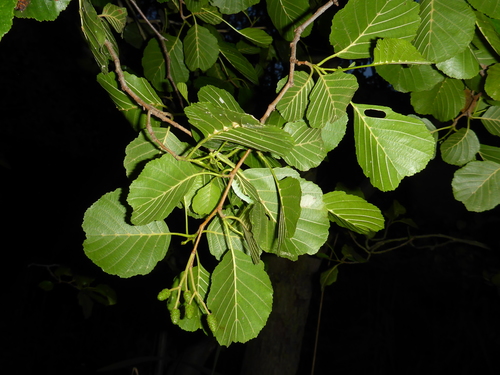
common alder
Alnus glutinosa (L.) Gaertn.
Alnus glutinosa (common alder) is a nitrogen-fixing tree native to Eurasia and North Africa, introduced elsewhere.
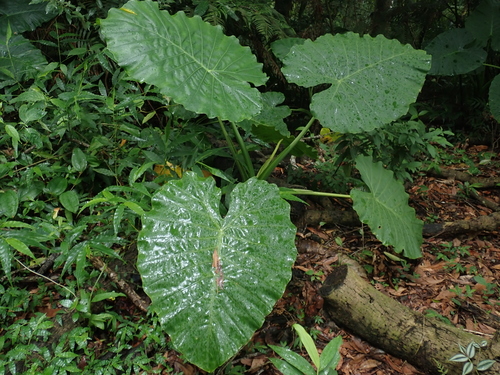
Asian Taro
Alocasia odora (G.Lodd.) Spach
Alocasia odora is an aroid plant with edible parts that require proper cooking to avoid toxicity, used in Southeast Asian cuisine.
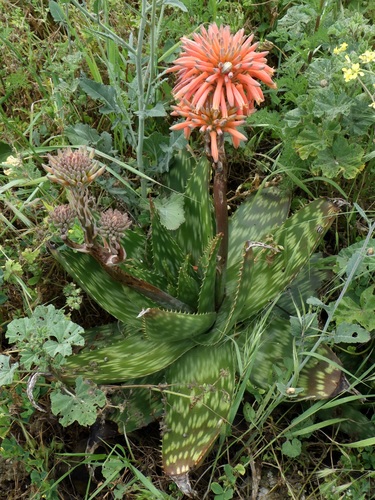
soap aloe
Aloe maculata All.
Aloe maculata, the variable spotted soap aloe native to Southern Africa, is a widely grown ornamental with traditional medicinal uses.
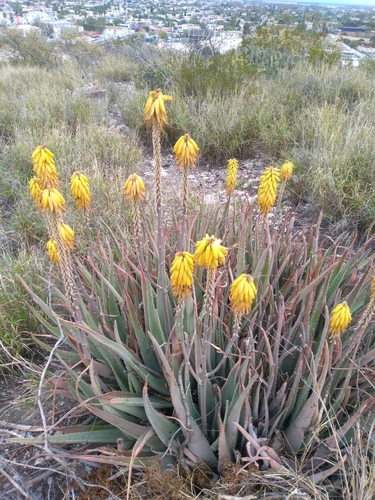
aloe vera
Aloe vera (L.) Burm.f.
Aloe vera is a widely cultivated succulent used in cosmetics and traditional medicine, with potential toxic risks for oral ingestion.
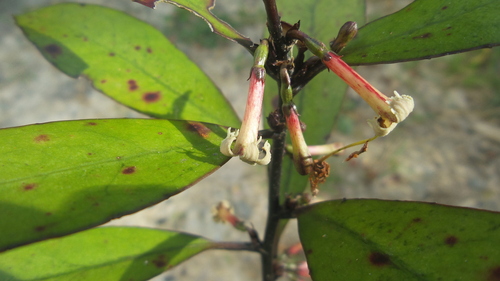
Alseuosmia pusilla Colenso
Alseuosmia pusilla Colenso
Alseuosmia pusilla is a small New Zealand shrub, whose leaf shape may be a Batesian mimic of a toxic plant.
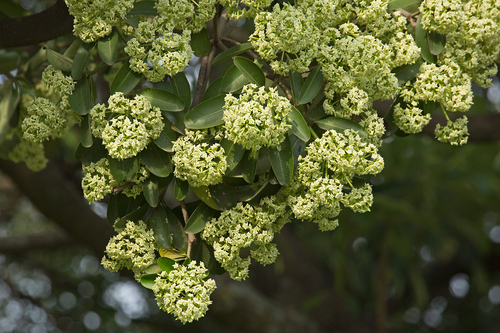
White Cheesewood
Alstonia scholaris (L.) R.Br.
Alstonia scholaris is a large toxic tree native to tropical and subtropical Asia to Australia with documented traditional uses.
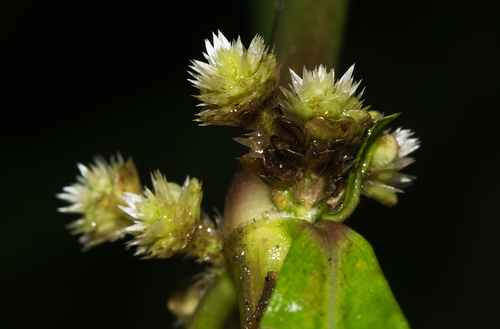
Sessile Joyweed
Alternanthera sessilis (L.) R.Br. ex DC.
Alternanthera sessilis is a widespread perennial herb grown for food, medicine, and as an ornamental.
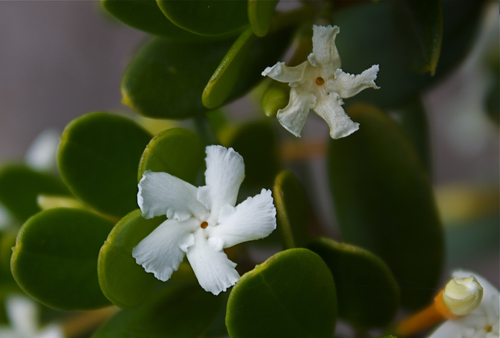
Sea Box
Alyxia buxifolia R.Br.
Alyxia buxifolia is a hardy Australian woody shrub with toxic fruit, used historically by First Nations people to treat dysentery.
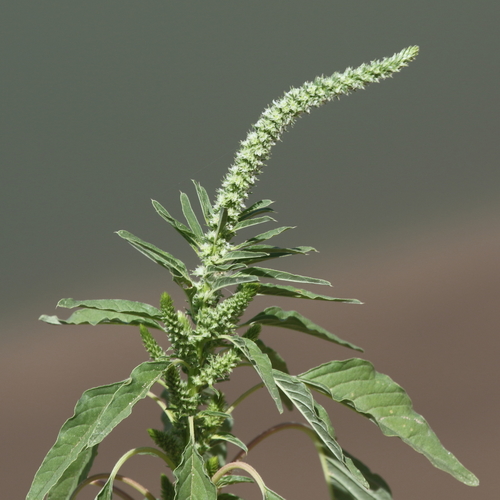
Palmer's Amaranth
Amaranthus palmeri S.Watson
Amaranthus palmeri (Palmer amaranth) is an edible North American amaranth that is mostly considered a noxious weed in the US today.
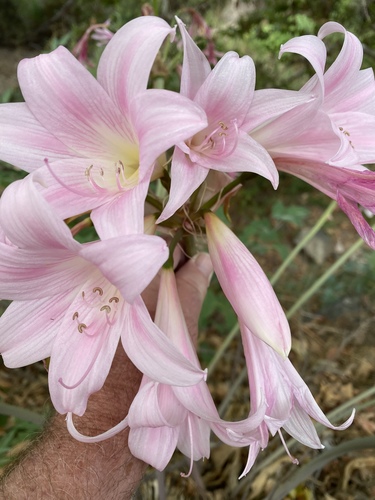
Belladonna Lily
Amaryllis belladonna L.
Amaryllis belladonna is a toxic South African bulb, used in cultivation and researched for anti-malarial properties.
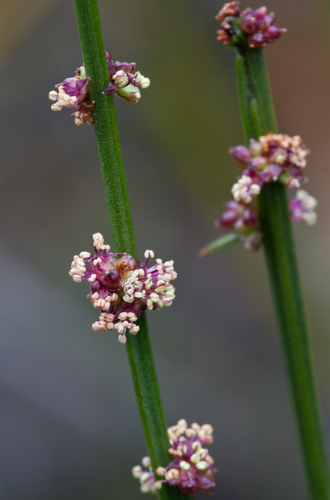
Broom Spurge
Amperea xiphoclada (Sieber ex Spreng.) Druce
Amperea xiphoclada is an erect Australian shrub that can be used for ground cover, understory plantings, and hedge-like features.
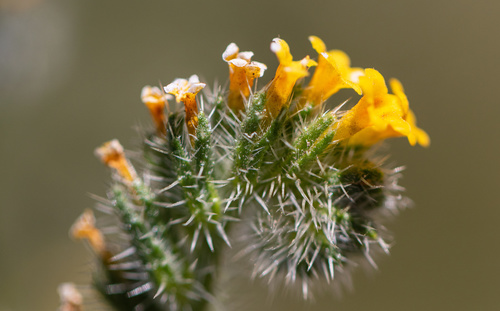
Yellow Gromwell
Amsinckia calycina (Moris) Chater
Amsinckia calycina is a poisonous annual flowering herb in the Boraginaceae family native to South America.
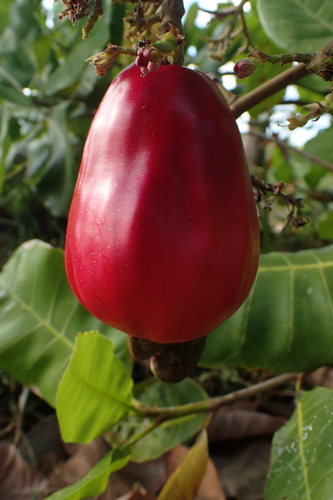
cashew
Anacardium occidentale L.
Anacardium occidentale, the cashew tree, is a widely cultivated tropical evergreen grown for its edible culinary nut.
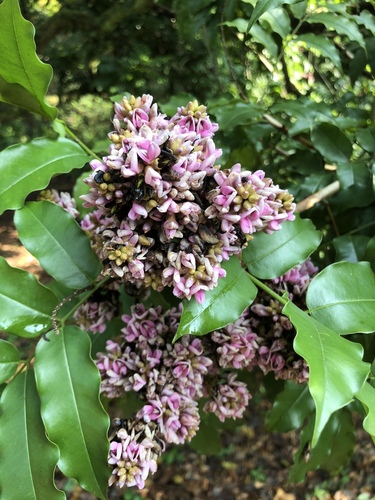
Brown Heart
Andira inermis (W.Wright) DC.
Andira inermis is a nitrogen-fixing medicinal tree native to the Americas, introduced widely, and pollinated by bees.
Start Exploring Nature Today
Download iNature for free. 10 identifications on us. No account needed. No credit card required.
Download Free on App Store
