About Podosphaera macularis (Wallr.) U.Braun & S.Takam.
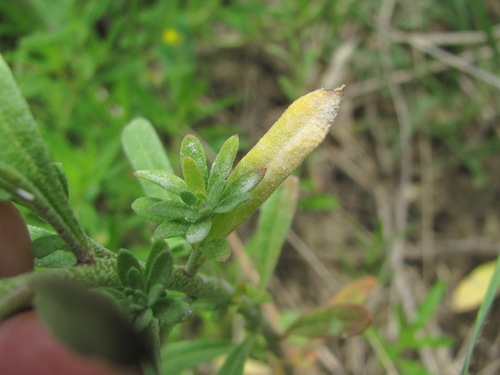
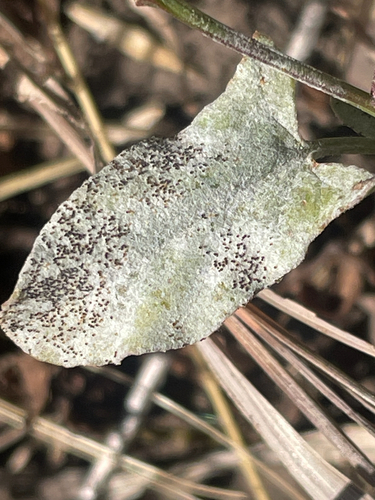
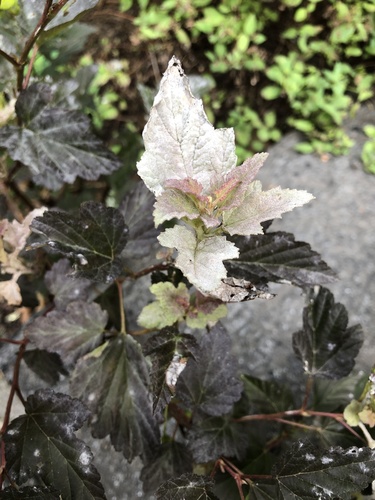
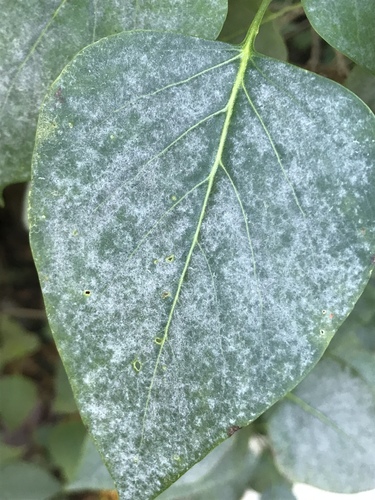
Podosphaera macularis (formerly classified as Sphaerotheca macularis) is an ascomycete fungus that causes the hop disease called powdery mildew. It is only known to be pathogenic on hop plants — including ornamental and wild hops — and on hemp. P. macularis occurs in most hop-growing regions of the northern hemisphere. Powdery mildew is one of the oldest documented fungal diseases of cultivated hop, with reports from England dating back to the 1700s. It has been recorded in eastern North America since at least the early 19th century, and contributed to the decline of the hop industry in New York state. The fungus was first reported in the Pacific Northwest region of the United States in June 1997, and powdery mildew now causes an annual epidemic in the region, which produces 98% of all hops grown in the US. As of 2020, only the MAT1-1 mating type was known to be present in the Pacific Northwest, which suggests the fungus was introduced to the region only once. In contrast, both mating types are present in Europe and eastern North America. This difference affects how the fungus overwinters: when both mating types are present, the fungus can overwinter as chasmothecia (fruiting bodies) on dead leaves and hop cones. If only one mating type is present, the fungus must overwinter as mycelium on living host tissue such as crown buds, which leads to heavily-infected "flag shoots" the following season, although these shoots are rare, occurring in less than 1% of plants. Compared to downy mildew, powdery mildew caused by P. macularis is able to grow in relatively hot, dry environments. Conidia production in P. macularis peaks at approximately 20 °C; while conidia can be produced at temperatures above 25 °C, their infectivity is often reduced. Under optimal conditions, this polycyclic disease can complete up to 20 generations in a single growing season. Favorable environmental conditions for P. macularis fecundity include low sun exposure, soil moisture, and excessive fertilization. The optimal temperature range for spore and mycelium growth is 18 to 25 °C. Periods with small differences between night and day temperatures, with a minimum of 10 °C at night and a daily high of 20 °C, increase infection risk. High humidity combined with optimal temperatures is required for primary infection, which occurs between mid- and late May. In this stage, cleistothecia swell and burst due to increased turgor pressure, which releases ascospores. During the secondary infection period from mid-July to August, conidia infectivity and germination are highest around 18 °C. Leaf wetness is not required for conidia formation or germination, but light rain has an indirect effect by contributing to high humidity and low sunlight. Most of the fungus' life cycle takes place externally on the host, with only haustoria growing inside host tissue. Supra-optimal temperatures and low relative humidity are unfavorable for powdery mildew germination, infection, or sporulation. Temperatures exceeding 30 °C for more than three hours reduce infection risk by up to 50%. Periods of intense rain and wind that blow spores across hop yards also prevent P. macularis fecundity. Solar irradiation can kill released spores, but as hop plants grow, sunlight cannot penetrate the dense canopy of the crop.