About Podocarpus salignus D.Don
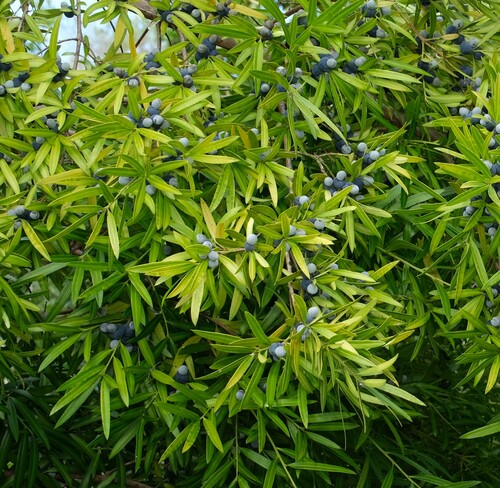
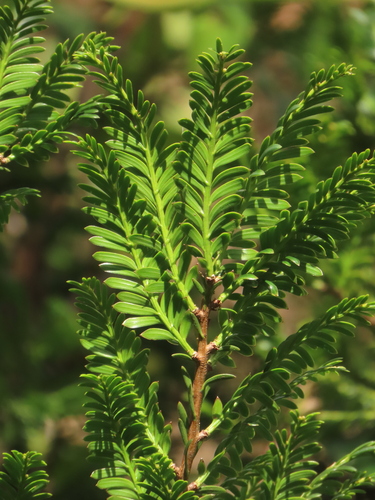
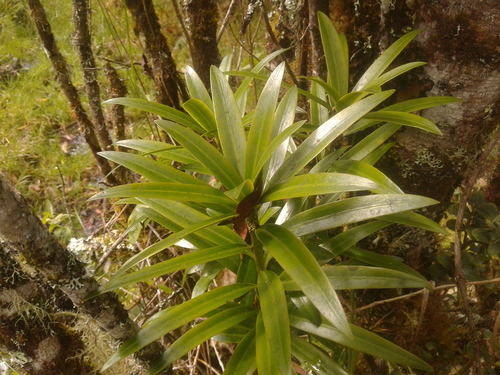
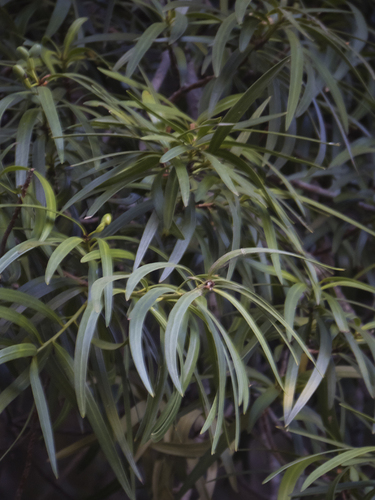
Podocarpus salignus, commonly called the willow-leaf podocarp, is a species of coniferous evergreen tree belonging to the family Podocarpaceae. This species is endemic to Chile, growing between 35 and 42° south latitude, and is currently threatened by habitat loss. Mature trees reach up to 20 m (66 ft) in height and 1 m (3 ft) in trunk diameter, with a straight, cylindrical trunk covered in reddish-gray bark. Its arching branches hold long, narrow, willow-like leaves. When male and female plants are grown together, this species produces red, fleshy, oval fruits. In Chile, it is locally known as Mañío de hojas largas, meaning long-leaved mañío. It is cultivated in gardens and parks within Chile, and has been introduced to the British Isles. It requires heavy rainfall or high humidity, but can tolerate temperatures as low as −25 °C (−13 °F). It has received the Royal Horticultural Society's Award of Garden Merit. Its wood is good quality, yellowish, straight-grained, and highly resistant to moisture. The wood is used in furniture making and construction.