About Podocarpus elongatus (Aiton) L'Herit. ex Pers.
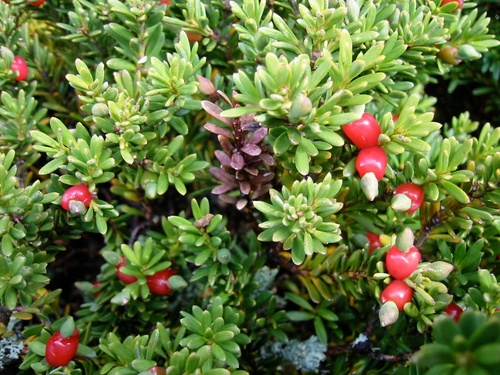
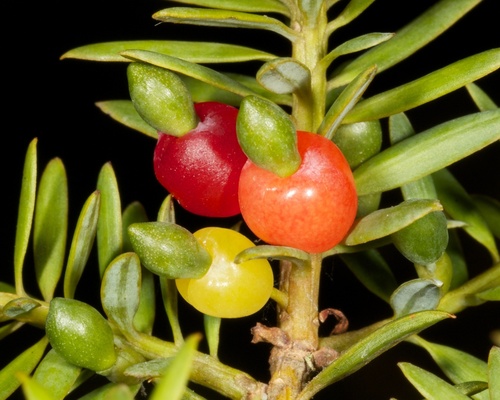
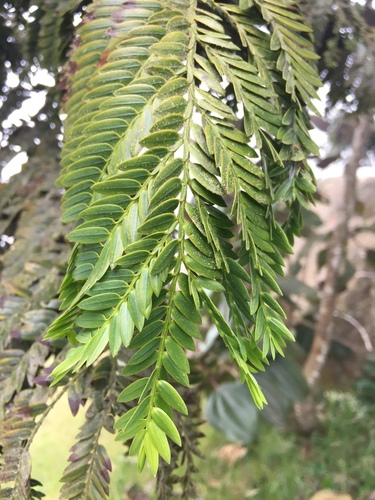
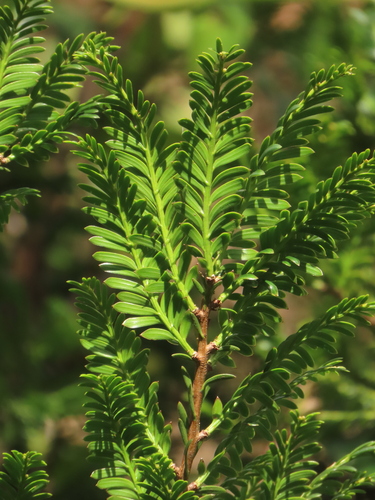
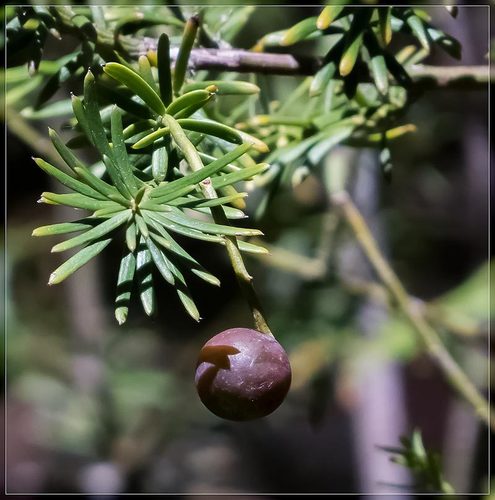
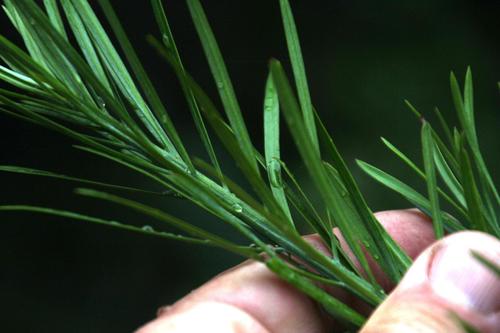
Podocarpus elongatus can be told apart from other Southern African yellowwood species by its relatively elongated, grey-blue leaves (the source of its species epithet "elongatus") and its rounded, bushy growth form. Note that Podocarpus henkelii had not yet been described when the name Podocarpus elongatus was established, and P. henkelii has distinctly longer leaves, which can cause confusion in identification. Podocarpus elongatus usually grows about as wide as it is tall, with foliage that extends very close to the ground, giving it an overall habit roughly resembling a hut.
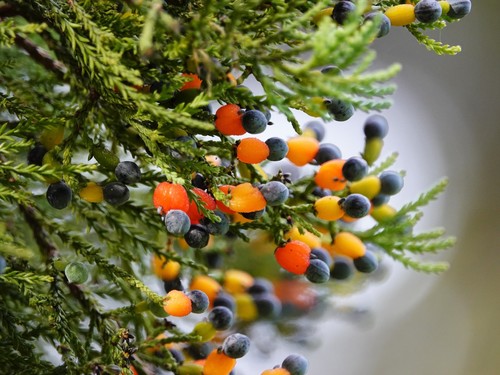
This species occurs only in South Africa, where its distribution is restricted to the Breede River valley in the Western Cape, and its range extends northward to the Cedarberg mountains. It typically grows along rivers and on rocky outcrops within fynbos vegetation. It is the only South African yellowwood species that is able to coppice when its trunk is damaged. As a riverine species, this coppicing ability is important for its survival if it is knocked down by floods or bushfires. It is sometimes grown as an ornamental garden tree, and its fruit attracts birds. It is also more climatically hardy than other yellowwood species from surrounding regions.