About Podarcis lilfordi (Günther, 1874)
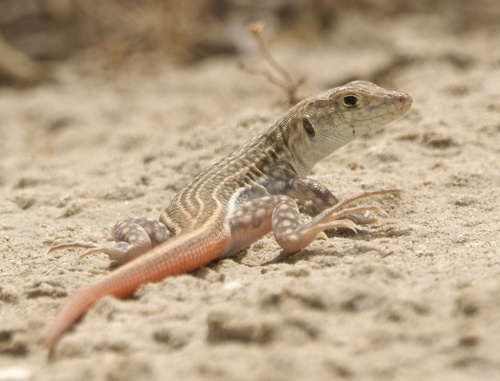
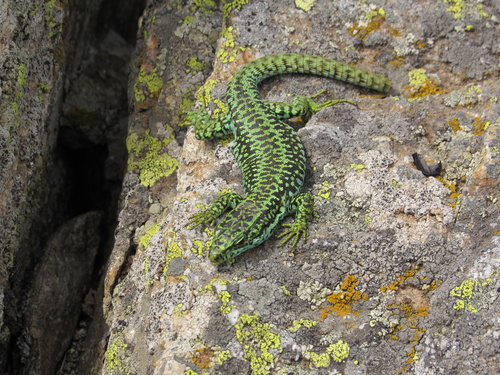
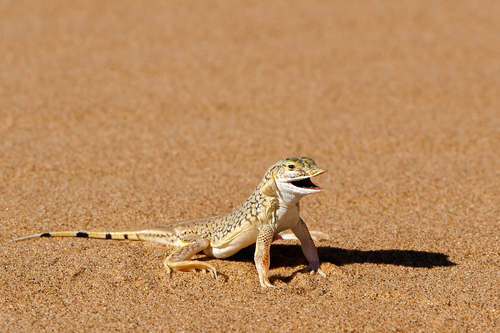
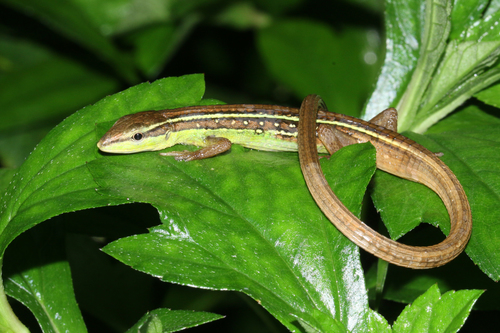
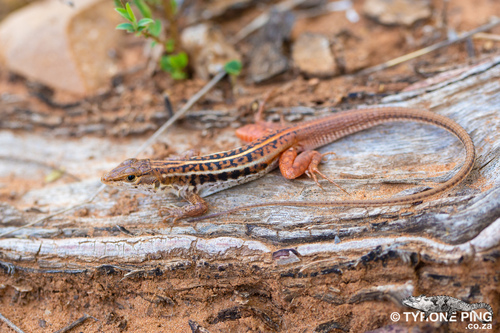
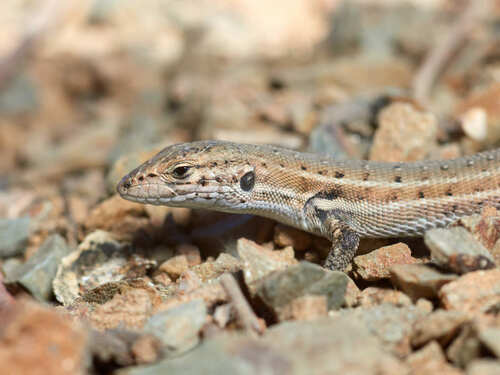
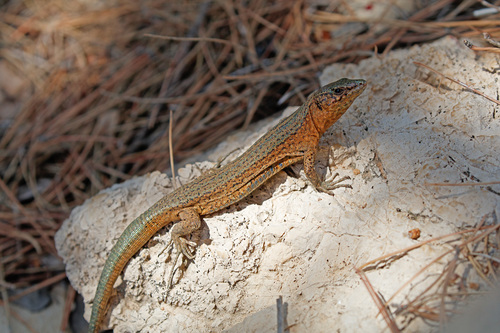
Lilford's wall lizard, scientifically named Podarcis lilfordi (Günther, 1874), reaches a maximum snout-to-vent length (SVL) of 8 cm (3 in), though most adults are slightly smaller. Its tail is approximately 1.8 times the length of its body. This is a robust, streamlined lizard with a short head, rounded body, and smooth, unkeeled scales. Its dorsal surface is typically greenish or brownish, with considerable variation across different island subpopulations. A pale dorso-lateral stripe is usually present, and there may be several dark streaks or three dark lines running along the spine. The flanks can be slightly reticulated, while the underside is white, cream, or pinkish. The throat may be blotched with darker color, and juveniles sometimes have a blue tail. Lilford's wall lizard is native to the Gymnesian Islands: this group includes Mallorca, Menorca, the Cabrera Archipelago south of Mallorca, and neighbouring rocky islets. These landmasses were connected into a single continuous landmass during cold Pleistocene periods. Historically, the species has been extirpated from the two large islands of the group, and it currently occurs only on the islets. It was never recorded on the Pityusic Islands, which lie west of the Gymnesian Islands. This lizard occurs at low altitudes. It is a mainly ground-dwelling species that mostly inhabits rocky areas and scrubland, but it can also be found in woodland on Cabrera. Podarcis lilfordi is oviparous. Breeding occurs in the summer, and females can lay up to three clutches containing between one and four eggs each. The average mass of an egg is 0.63 g, which is large for a lizard of this size. Eggs hatch after approximately eight weeks, and newly hatched young have a snout-to-vent length of 3 to 3.5 cm (1.2 to 1.4 in).